





How to charge an electric car in an apartment block
Electric cars are becoming increasingly popular because they are economical, environmentally friendly and modern. However, charging such cars in apartment buildings raises many questions. In this article, we will look at the main ways to organise charging of an electric vehicle, what problems may arise and how to solve them. We remind you that you can purchase both home and commercial charging stations in our online store, [...]
Content:
Electric cars are becoming increasingly popular because they are economical, environmentally friendly and modern. However, charging such cars in apartment buildings raises many questions. In this article, we will look at the main ways to organise charging of an electric vehicle, what problems may arise and how to solve them.
We remind you that you can purchase both home and commercial charging stations in our online storeand use our public charging stations ECOFACTORlocated throughout Ukraine. For easy access to charging, you can use our applicationavailable for the following platforms iOS and Android.
Problems of charging an electric vehicle in an apartment building
Charging an electric vehicle in an apartment building can be a real challenge due to a number of technical, organisational and legal restrictions. Below, we take a closer look at the key issues.
Lack of specialised infrastructure
Most apartment blocks do not have pre-arranged charging stations. This creates difficulties for electric vehicle owners, who are forced to look for alternative solutions.
- Equipment of charging stations: Most apartment buildings, especially older ones, do not have charging stations in their infrastructure.
- Installation locations: Car parks can be shared, making it difficult to identify a specific location for the charger.
- Modernisation costs: The need to install separate electrical lines or adapt the power grid can be expensive and requires the involvement of specialists.
Solving these issues often requires contacting specialised companies, such as ECOFACTOR, which help to set up charging stations even in difficult conditions.
Restricting access to the power grid
The condition of the power grid of an apartment building plays an important role in the ability to organise charging infrastructure. Limited power can be a significant obstacle.
- Network load: The shared power grid of an apartment building is often only designed to meet the basic needs of the residents, and connecting chargers can cause overload.
- Low line power: In older homes, the lines may not be able to withstand the load generated by the charger, especially when used simultaneously by other residents.
- No separate meters: Connection to a common network without individual metering of consumption can cause conflicts between residents.
To avoid problems, it is necessary to engage an electrician to assess the condition of the network and consider the possibility of upgrading it.
Bureaucratic difficulties
The process of installing a charging station is often complicated by the need to obtain permits and coordinate with other residents of the building. This can be a serious obstacle for many electric vehicle owners.
- Permission from a condominium or housing office: You need to get the consent of the majority of residents or the building management to install the charging station.
- Regulation of joint ownership: Disputes often arise over the use of common territory or infrastructure for personal needs.
- Coordination with the electricity supplier: In some cases, special documentation or a new agreement is required to increase the permitted capacity.
Careful preparation and argumentation of the benefits of charging infrastructure will help speed up the approval process.

Security issues
Charging an electric vehicle in an apartment block should be as safe as possible. Connection errors can have serious consequences, so this aspect is extremely important.
- Risk of incorrect connection: Use of unqualified technicians or cheap chargers may result in a short circuit or fire.
- Protection against vandalism: If the charging station is installed in a public area, it may be damaged.
- Grounding problems: Older homes often lack a good grounding system, which is critical for safe charging.
Installing certified equipment and following the recommendations of specialists will help minimise risks.
Limited financial resources
The organisation of charging infrastructure requires financial investments, which can be significant for individual owners of electric vehicles.
- The cost of charging equipment: The purchase and installation of a charging station, especially a powerful one, requires significant financial investment.
- Collective financing: In apartment buildings, it is difficult to organise joint fundraising, especially if some residents are not interested in installing a charging station.
It is worth looking for affordable solutions, such as sharing a charging station with neighbours or applying for co-financing programmes.
Logistical challenges
The location of the charging point is important for its accessibility and efficiency. Poorly thought-out solutions can create additional difficulties.
- Access to a charging point: In many buildings, parking is located far from the point of connection to the power grid.
- Use of third-party parking: If a resident uses a rented parking space, the installation of a charger requires additional approvals.
- Insufficient number of charging points: If there are several electric vehicles in the house, conflicts may arise over access to the charging station.
Planning the installation site and taking into account the needs of all residents will help to avoid many problems.
How to prepare for charging an electric vehicle
Preparing for the organisation of charging infrastructure in an apartment building is an important step that affects the convenience and safety of using an electric vehicle. To do this, it is necessary to take into account technical, legal and organisational aspects. Below are the key steps to take.
Assessment of the technical capabilities of the building
The first stage of preparation is to analyse the state of the power grid in the house to see if it can withstand the additional load from charging an electric vehicle.
- Checking the power grid: Get a certified electrician to assess the condition of the network. He should determine: The capacity of the existing network. The availability of free lines for connection. The need for upgrades (e.g. replacing cables or installing a new transformer).
- Needs assessment: Calculate the power required for the charger based on the model of your electric vehicle.
ECOFACTOR offers professional services for analysing and optimising power grids, which simplifies the preparation process.
Choosing a charger
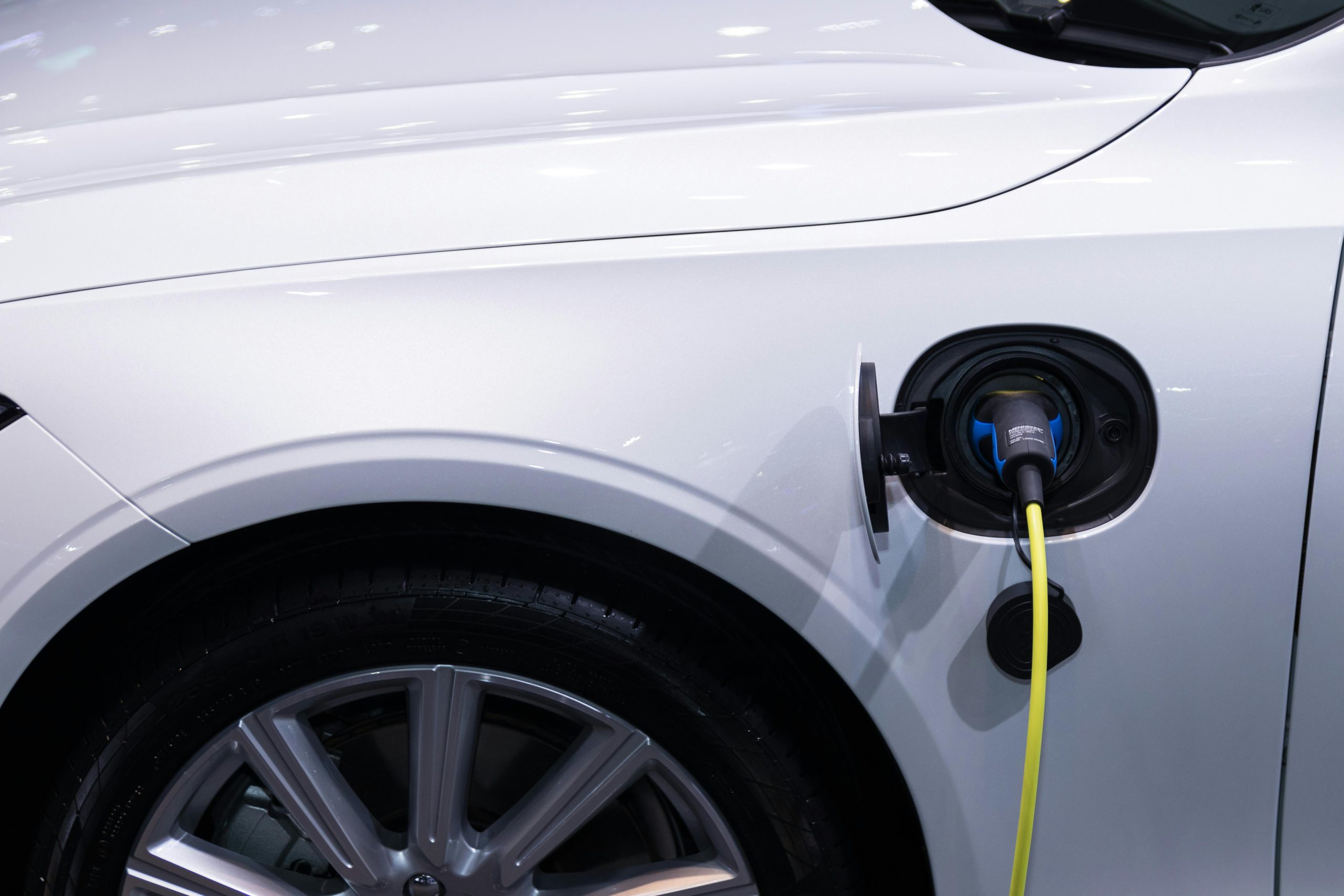
Choosing the right charger will ensure that your vehicle is charged efficiently, quickly and safely.
- Types of chargers: Conventional sockets (Schuko type): A simple and inexpensive option, but only suitable for slow charging. Wallbox: A 7-22 kW charging station that provides fast charging. Public charging stations: A solution for those who are unable to install their own device.
- Additional features: Choose devices with intelligent functions such as consumption monitoring or automatic shutdown.
ECOFACTOR helps you to choose the best charging solution for your home, depending on the conditions and needs of your residents.
Coordination with condominiums or housing offices
Installation of a charging station in an apartment building usually requires the approval of other residents or the building administration.
- Hold a meeting: Discuss the issue at an HOA meeting, explaining the benefits to residents.
- Suggestions for sharing: Suggest a sharing model to reduce costs.
- Legal training: Prepare the necessary documents for approval, including the technical plan and calculations.
Preparation of documentation
Completion of the necessary documentation is a mandatory step to legalise the use of the charging station.
- Permission to use the network: Get approval to connect to the public network.
- Execution of the contract: Sign a contract with your electricity supplier for additional power or a separate meter.
- Technical documentation: Prepare an electrical installation plan that must be approved by specialists.
ECOFACTOR specialists can take care of the entire paperwork process, saving you time and effort.
Modernising the infrastructure
In some cases, charging an electric vehicle requires upgrading the power grid or installing additional equipment.
- Strengthening of lines: Replace old cables with new ones with higher bandwidth.
- Installing protection: Use circuit breakers and short-circuit protection devices.
- Equipment of a separate line: If possible, create a separate power line for the charger.
Proper preparation for charging an electric vehicle avoids many difficulties and ensures safe use of the infrastructure. Companies such as ECOFACTOR offer comprehensive solutions for the installation of charging stations, even in apartment buildings, helping to integrate modern technology into everyday life.
Ways to charge an electric vehicle
There are several ways to charge an electric vehicle, depending on the available facilities, budget and technical conditions of your home or apartment. Let's take a look at the main options:
Charging from a regular power outlet
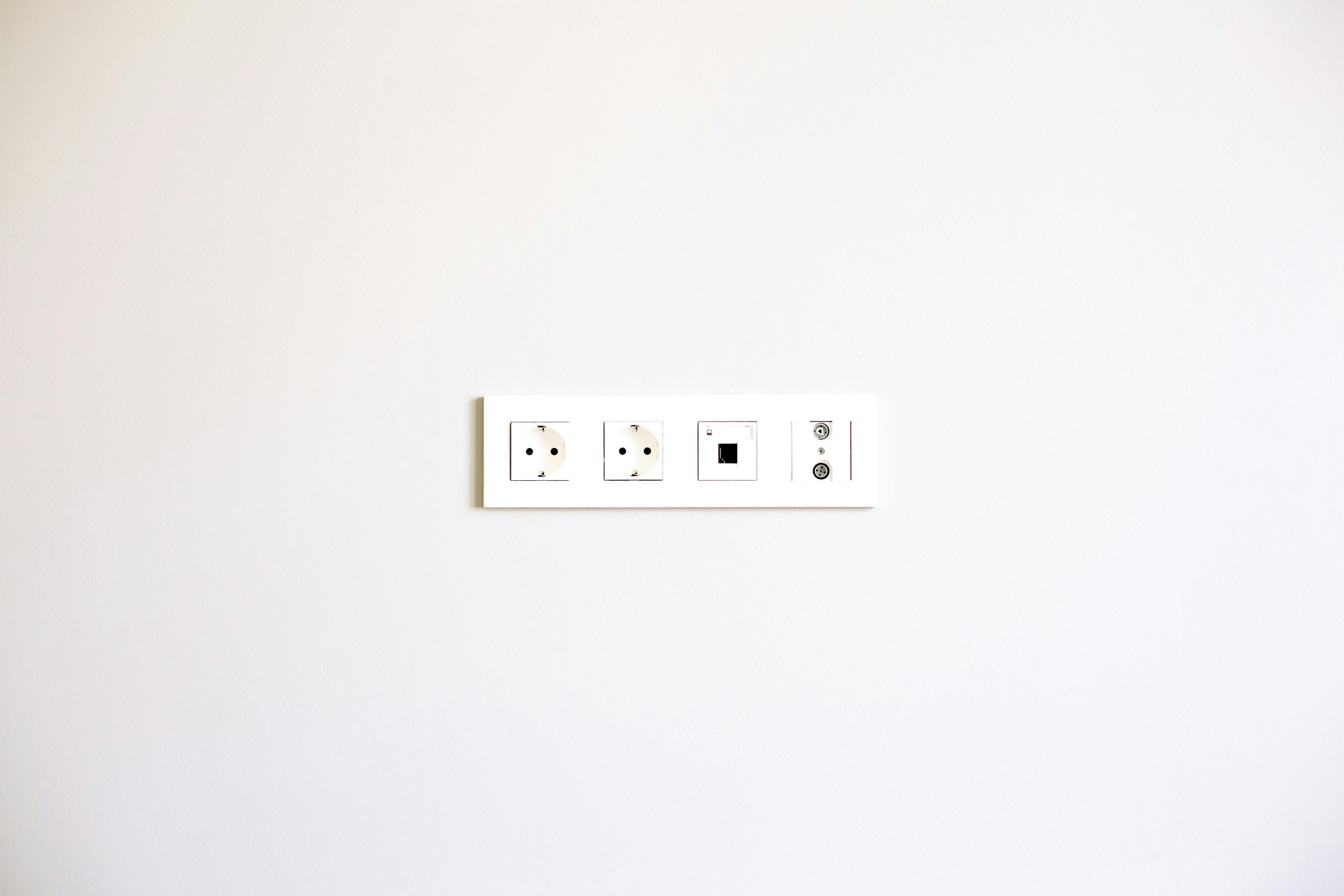
This is the easiest but also the slowest way to charge. This is usually done using the cable supplied with the electric vehicle.
Advantages:
- AvailabilityCan be charged anywhere there is a regular power outlet.
- Low costNo additional costs for the installation of complex charging stations.
- Convenience: charging can be carried out even at night when the electric vehicle is not in use.
Disadvantages:
- Slow chargingFull charge time can be over 12 hours depending on the power of the mains supply.
- High load on the power grid: Some older networks may not be able to withstand the load from a connected electric vehicle, which can lead to overloads or even short circuits.
Recommendations:
- Make sure that your power supply can handle the additional load. This can be checked by a professional electrician.
- Install safety equipment such as circuit breakers to avoid accidents.
Installing a charging station
Wallbox charging stations are a more modern and faster way of charging. They can provide power from 7 to 22 kW, which significantly reduces charging time.
Advantages:
- Fast chargingThese stations can charge cars several times faster than conventional sockets.
- Security.Specially designed electric vehicle chargers have built-in overload and short circuit protection systems.
- Convenience.You can install the station near your parking space or in another convenient location.
Disadvantages:
- CostInstallation of a charging station can be expensive, depending on the type of device and additional work required.
- Requires the permitted power supply capacity: The plant requires access to a more powerful power grid for proper operation, which may require upgrading existing infrastructures.
Work with a company such as ECOFACTOR, which specialises in the installation of charging stations and offers professional assistance in assessing the technical possibilities and connecting devices to your power grid. You can find more information on selecting and installing charging stations on their website.
Use of public charging stations
If it is not possible to install your own charging station, public charging points can be a good option. They are often located in shopping centre car parks, near petrol stations, and in city parks.
Advantages:
- AvailabilityPublic charging stations are located in different parts of the city and can be used at any time.
- SpeedSome stations provide fast charging, which allows you to charge your car in a short period of time.
Disadvantages:
- QueuesDue to the high popularity of electric vehicles, it can be difficult to find a free station.
- CostSome charging points may have a high cost per use.
Use mobile apps to find the nearest charging stations to optimise your time.
Use of extension cords (temporary solution)
In some cases, you can use extension cords to connect your car to a power outlet, but this should only be a temporary solution as it is not always safe.
- Advantages: Convenience: allows you to connect your car to the charger whenever you need to, when there is no other way to connect.
- Disadvantages: Safety: The power strip can overheat and cause a risk of short circuits, especially under heavy load. Limitations: Not all power strips are capable of providing sufficient power to charge an electric vehicle.
- Recommendations: Use only specialised extension cords with a large wire cross-section and do not leave the vehicle unattended while charging.
Charging an electric vehicle in an apartment building can be either simple or complex, depending on your conditions. The choice of charging method depends on technical capabilities, access to infrastructure and budgetary constraints. Using charging stations is the most efficient way to not only save time but also ensure the safety of your electric vehicle. For more detailed advice and professional installation of chargers, you should contact companies such as ECOFACTOR, which have experience and specialise in such solutions.
Charging features in different conditions
Charging an electric vehicle depends on many factors, such as the season, access to infrastructure and the location of the connection. It is important to take these conditions into account to ensure the efficiency and safety of the charging process.
Charging in winter
Winter conditions can negatively affect the charging efficiency of an electric vehicle due to low temperatures and reduced battery capacity.
Effect of cold on the battery
- At low temperatures, an electric vehicle battery can lose some of its capacity, which reduces its ability to store and transfer energy.
- This may result in slower charging or a shorter range between charges.
Recommendations for charging in winter
- Warm rooms: If possible, charge your electric vehicle in a warm area, such as a garage, to reduce the effects of cold on the battery.
- Thermal insulation: Place thermal insulation on the battery to maintain optimal temperature during charging.
- Heated chargers: Use charging stations with a heated function to ensure fast and efficient charging even in low temperatures.
Companies such as ECOFACTOR can provide additional services for the installation of heated charging stations or help integrate such solutions into your infrastructure for comfortable charging in the cold season.
Charging in confined spaces
Sometimes access to a power outlet or charging station may be limited, especially in large apartment buildings where there may not be a convenient place to plug in your car.
Access restrictions
- In some cases, the only access to a power outlet may be through an extension cord or a shared outlet with neighbours.
- In such cases, an extended cable may be required, which increases the risk of overheating or short circuits.
Recommendations for charging in confined spaces
- Agreement with neighbours: If you can't install your own charging station, consider sharing an existing outlet with your neighbours or installing a separate switchboard for each car.
- Mobile charging stations: Use mobile charging stations, which can be easily plugged into any wall outlet, but you should be careful to ensure safety when using them.
To avoid problems with limited space and access to electricity, ECOFACTOR offers customised solutions for connecting mobile or stationary charging stations, allowing you to effectively use any available power grid resources.
Charge at night or during peak hours
The time of day can also affect the charging process of an electric vehicle, for example, due to different electricity tariffs or the availability of stations.
Benefits of charging at night
- Reducing the cost: Many energy supply companies offer dual-zone electricity tariffs, where the nighttime tariff is significantly cheaper than the daytime tariff. Charging at night can reduce electricity costs.
- There is no competition for a place: Night time is usually free of queues at charging stations, allowing you to charge your car without hindrance.
Recommendations
- Nightly rates: Choose a dual-zone electricity tariff if available. This will save money on charging.
- Process automation: Use programmable chargers that automatically start the charging process at night.
ECOFACTOR helps customers set up charging stations to operate during optimal hours, automatically reducing charging costs, particularly when using dual-zone tariffs.
Charging on a tight budget
Not everyone can afford to install more expensive charging stations or use special additional devices. In this case, you can use budget charging options.
Budget constraints
- Installing expensive charging stations may not be affordable, especially if you need to upgrade your home's power grid.
- If you have limited financial resources, you should look for the most cost-effective ways to charge.
Recommendations for saving money
- Use conventional power outlets: This is the cheapest way to charge, although it is the slowest. Be aware of the possible risks of overloading the mains and be sure to consult an electrician before use.
- Extension cords: If the socket is far from the parking space, use specialised extension cords with a large wire cross-section. But this is a temporary solution and should be used with caution.
If your budget is limited, ECOFACTOR can offer options with optimum charger installation costs and help you choose cost-effective solutions that meet your requirements and conditions.
Charging an electric vehicle in different conditions has its own peculiarities that require attention and the right approach. Choosing the right time, charging location and technical solutions will not only ensure efficient charging, but also save money and preserve the battery. Companies like ECOFACTOR can provide support and assistance in choosing the best solutions for your electric vehicle in any environment.

ECOFACTOR: Leader in the field of charging stations for electric vehicles
The use of electric cars is becoming increasingly popular, driven by the growing demand for environmentally friendly vehicles and the need to develop charging infrastructure. ECOFACTOR - is a Ukrainian company that plays an important role in the development of the electric vehicle charging market in Ukraine. From manufacturing high-quality chargers to expanding the charging station network, ECOFACTOR actively promotes the development of electric mobility and provides drivers with innovative solutions for charging their cars.
Expanding the infrastructure for electric vehicles in Ukraine
ECOFACTOR is a leading Ukrainian manufacturer of charging stations offering a wide range of products for charging electric vehicles. The company is actively developing map of charging stations across Ukraine, making electric vehicle charging accessible to drivers across the country. This not only helps electric car owners, but also contributes to the development of eco-friendly transport and green energy in Ukraine.
ECOFACTOR products and services
ECOFACTOR offers a variety of chargers, ranging from mobile stations for home use to powerful commercial stations for business. Their range includes ECOFACTOR charging stations, AC and DC chargers, and accessories such as cables and adapters. All devices comply with European quality standards and provide efficient charging even in difficult weather conditions.
Innovative solutions for user convenience
To improve driver comfort, ECOFACTOR has developed ECOFACTOR mobile applicationavailable for the following platforms iOS and Androidwhich helps to find charging stations, view their characteristics and create routes with charging stops. The company's products are compatible with most electric vehicles, as they support different types of connectors, such as Type 2, CCS2 and CHADEMO. ECOFACTOR also offers specialised software for monitoring and managing charging infrastructure.
Conclusion.
Charging an electric vehicle in an apartment block can be a challenge, but with the right approach and preparation, it is not impossible. Assessing the technical possibilities, choosing the right charger and coordinating with your neighbours will help ensure efficient charging.
Seasonal conditions, limited access to electricity and charging times can affect the process, but the right solutions and recommendations can help to solve these problems. Support from companies such as ECOFACTOR can help find the best solutions for each situation.
In general, proper planning and cooperation with other residents can make charging an electric vehicle in an apartment building convenient and affordable.
FAQ
Can I charge an electric car from a regular outlet in an apartment building?
Yes, you can, but this method is slow and not very efficient. For charging, you need to use the cable that came with the car and make sure that the power supply can withstand the additional load.
2. What type of charger is best for an apartment building?
It is best to install a Wallbox charging station, which provides faster and safer charging. It requires a mains connection and requires qualified assistance to install.
3. How do I coordinate the installation of the charger with my neighbours or condominium?
You need to get permission from the condominium or housing office to install the charging station. Explain the benefits for all residents, such as access to shared charging equipment.
4. What problems can arise when charging an electric vehicle in winter?
In winter, battery efficiency may decrease, so it is important to charge the vehicle in warm rooms or use devices with a battery heating function to avoid a rapid decrease in battery capacity.
5. Is there an alternative to owning charging stations in an apartment building?
For example, you can use public charging stations, which are often located in shopping centres, car parks or near petrol stations. This is a convenient option if you cannot install your own device.
6. How to make charging an electric vehicle economical in an apartment building?
To save money, you can set up a two-zone electricity tariff, charge your car at night, or consider using solar panels to power the charging station.


