




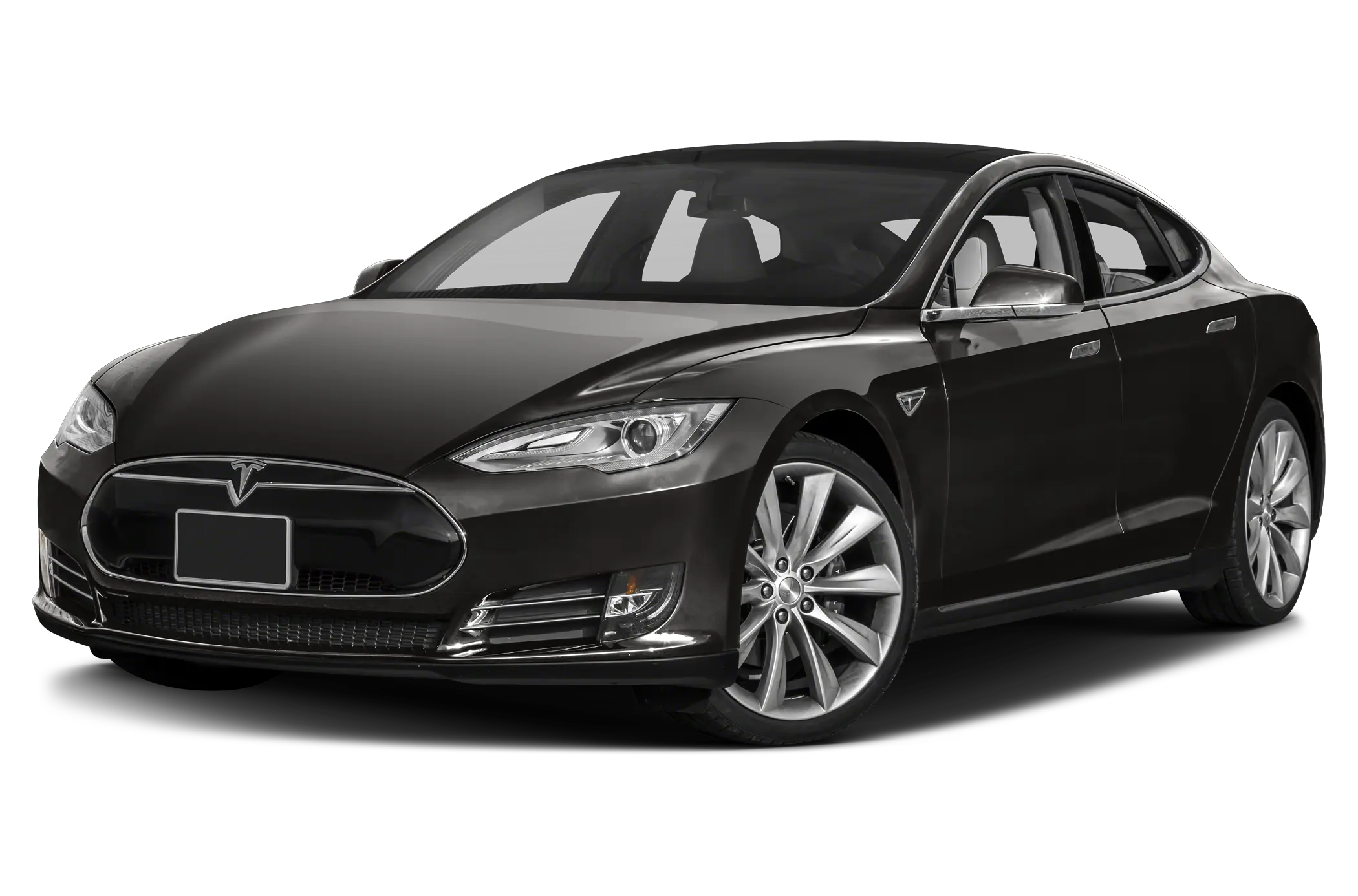
Choosing a mobile charging station for Tesla Model S 2015: key factors and recommendations
Charging an electric vehicle is a basic part of its operation. The 2015 Tesla Model S, despite its age, remains a modern car that can compete with many new models. But like any electric car, it depends on a power source. While you can still find stationary charging points or use the services of high-speed stations at home or in the city, travelling or [...]
Content:
Charging an electric vehicle is a basic part of its operation. The 2015 Tesla Model S, despite its age, remains a modern car that can compete with many new models. But like any electric car, it depends on a power source. While it is still possible to find stationary charging points at home or in the city or use the services of high-speed stations, this is not always possible when travelling or in non-standard conditions.
We remind you that you can purchase home and commercial charging stations in our online storeand also use the public charging stations ECOFACTORcharging points located throughout Ukraine. For convenient access to charging infrastructure, we recommend using our mobile applicationwhich is available on iOS and Android.
That's why a mobile charging station is not just a convenient addition, but an important element of everyday use of an electric vehicle. It allows you to charge your car anywhere you have access to electricity. But before you buy such a device, it is important to know what parameters to look for, what types of stations exist, and what is suitable for a particular model, including the Tesla Model S 2015.

What is a mobile charging station and why do Tesla Model S 2015 owners need it?
A mobile charging station is a portable device designed to charge an electric vehicle without being tied to a stationary infrastructure. It consists of an electronic controller, a power cable, a charging plug and a protection system. The station can be plugged into a regular household or industrial outlet, and then transmits electricity to the vehicle.
In the case of the 2015 Tesla Model S, such a station is particularly useful. This model supports AC power of up to 11 kilowatts via a Type 2 connector (in the European version) or via the Tesla Connector in the US. This means that the car can be fully charged in about 5 hours, provided the power supply is of good quality. However, such infrastructure is not available everywhere, and in this case, a mobile charging station allows you to charge from any available outlet - in the yard, in a car park, in a garage or even in a village hut.
Its main purpose is to provide flexibility, independence from public charging points and confidence that even in an unforeseen situation, you will be able to connect your car to electricity. It is especially useful for those who travel frequently, live in the countryside, or are unable to install a stationary charging system.
What characteristics to consider when choosing a mobile charging station
Before buying a charging station, you need to pay attention to a number of technical characteristics. They affect vehicle compatibility, charging speed, safety and comfort during operation. Without a careful analysis of these parameters, you may end up buying a device that is unsuitable for real-world use or has limited functionality. Let's take a look at the main characteristics that you should consider.
Charging power
The speed of charge replenishment depends on this parameter. Tesla Model S 2015 supports up to 11 kilowatts of AC power. Some Model S 2015 with Dual Charger support 22 kW, check your configuration. The 3.6 kilowatt stations are slow but versatile, charging in 18-24 hours to 100%. The 7.2-kilowatt models provide an optimal balance between speed and grid load, charging in 9-12 hours to 100%, 6-8 hours to 80%. Full-fledged three-phase 11 kW stations allow charging a car in 6-8 hours up to 100%, 4-5 hours up to 80%, but require appropriate wiring.
Connector type
In Europe, the 2015 Tesla Model S has a Type 2 connector. In America, it has its own Tesla connector. The station must either have a suitable plug or support an adapter. If you plan to charge directly without an adapter, look for a model with a Type 2 cable already built in.
Power supply type
The 220-volt single-phase power supply supports up to 7.2 kilowatts. A three-phase 380-volt network allows the full use of 11 kilowatt stations. Before purchasing, you should know what type of power supply is available at your home or site.
Cable length
A short cable limits flexibility, especially if the socket is not located close to the parking space. Cables with a length of 6-8 metres are considered optimal. They allow easy connection of the car without the need for precise positioning of the car.
Degree of protection
It is indicated by the IP code and determines the resistance of the housing to dust and water. For home use, IP54 is sufficient. If you plan to charge your car outdoors, it is better to choose IP65 or IP67.
Temperature range
In countries with cold winters, it is important that the station can operate in sub-zero temperatures. Most high-quality models have an operating range of -25 to +50 degrees.

ECOFACTOR: Innovative solutions for environmentally friendly and efficient charging of electric vehicles
About us ECOFACTOR We create simple and convenient solutions for charging electric vehicles. We focus on making charging less time-consuming, not overloading the power grid and not wasting energy. We offer charging stationsThe range of devices is suitable for use at home, on the go or in businesses. All devices are secure, easy to operate and require no complicated setup.
In addition to charging stations, we produce cables and adaptersThe device is equipped with a variety of power outlets, both domestic and industrial. This is convenient if you are travelling or simply do not know what type of connection will be available at the site. All equipment complies with European standards and is designed for daily use.
Tesla Model S owners can use our charging stations without any additional complications. We have also developed mobile applicationwhich is available on iOS and Android. You can check the charging status, schedule a power-on time, or view consumption statistics.
What our charging stations do in practice:
- Opportunity to save on electricityYou can charge your car at the night rate or limit the power.
- Stable operation without interruptionCharging works stably even when the voltage fluctuates.
- Control via phoneEverything is under control via the app.
- Supporting cleaner energyLess congestion and better use of available resources.
For your convenience, we are updating map of charging stationsThe system is designed to help drivers quickly find the nearest charging point. It's perfect for those who are often on the road or don't have their own charging point. If you want simple, reliable charging without the hassle, the solution is ECOFACTOR for this very purpose.
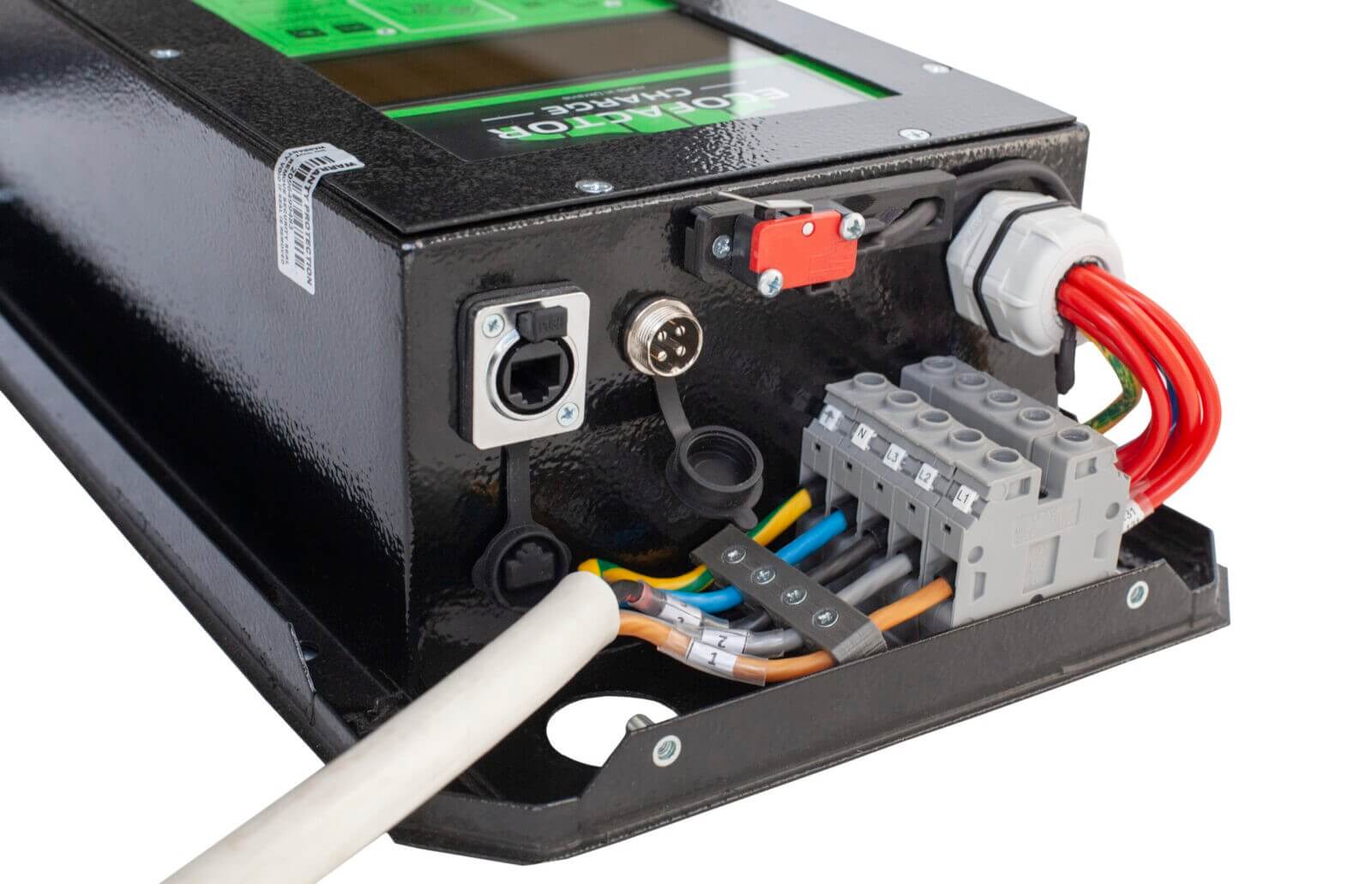
Advantages and disadvantages of mobile charging stations for Tesla Model X
Like any device, mobile charging stations have their pros and cons. However, making the right choice based on your needs will allow you to make the most of this device. Understanding the conditions in which you plan to use the station and what exactly you need from it will help you weigh the advantages and disadvantages.
Advantages.
Flexibility and autonomy
A mobile charging station gives you the ability to charge your electric vehicle wherever there is electricity. This is especially important when you are in places where there is no access to fast chargers or stationary charging stations.
Mobility and compactness
The weight of a mobile station usually does not exceed 3-5 kg and can be easily transported in the trunk of a car. This provides flexibility: you can take it with you on trips or to the country, making it a versatile tool.
Can be charged from any outlet
Unlike stationary charging stations, mobile models can be connected to a standard 220V household outlet. This is especially convenient in situations where access to specialised infrastructure is limited.
Low infrastructure costs
The installation of a stationary charging station can be costly, including the cost of connecting to the power grid or performing repairs. A mobile charging station saves these costs without the need for additional installations.
Safety and security
High-quality mobile charging stations have built-in protection systems against overvoltage, short circuit and overheating. This ensures safety during charging and avoids possible damage to both the device and the electric vehicle.
Disadvantages.
Slow charging
One of the main disadvantages of mobile stations is the slow charging process. Compared to Tesla superchargers, mobile stations charge many times slower, which can take longer to complete a full charging cycle.
Dependence on the quality of the power grid
It is important to remember that the quality of charging depends on the condition of the power grid. If the network is unstable or has low power, charging may take even longer or be inefficient.
Cable and socket requirements
The most basic mobile charging stations may not be compatible with certain types of sockets, making it necessary to use adapters. This can be inconvenient, especially when there is no access to a universal outlet.
Charging speed is not always optimal
Mobile charging stations, especially those with low power (3.6-7.2 kW), can be too slow for regular use if you leave the house frequently and need to top up your battery quickly.
Wear and tear due to heavy use
Mobile charging stations are subjected to a lot of stress due to frequent connection and disconnection, as well as mechanical impact (cable bending, contact with dust, dirt). This can lead to a reduction in their service life.
How to choose the best mobile charger for Tesla Model X?
Choosing a mobile charging station for your 2015 Tesla Model S depends on several factors, including your personal needs, the type of electrical grid you have access to, and the level of power you require. Here are a few steps to help you make an informed choice.
1. Estimate the capacity of your electrical network
The first step is to check the existing network to which the station will be connected. If you can use a three-phase 380 V network, then you can choose an 11 kW model. If your conditions limit you to a single-phase connection (220 V), then the power of the station should not exceed 7.2 kW.
2. Determine the type of connector
The 2015 Tesla Model S has a Type 2 connector for the European market. However, if you are planning to travel to the US, you should check whether the station has the ability to use the Tesla proprietary one or whether it comes with the necessary adapter.
3. Check the length of the cable
The length of the cable matters. If the station is used in a garage or car park, 6-8 metres will be sufficient. If you need to connect the station to a power outlet that is located at a certain distance, choose a cable of 8 to 10 metres in length. This will add convenience to the connection.
4. Take a look at the additional features
Some mobile charging stations have built-in displays for charging monitoring, timers, and the ability to connect to Wi-Fi for remote monitoring via an app. If this functionality is important to you, choose models with additional options.
5. Assess the level of protection of the case
If you plan to use the charging station outdoors or in places with high humidity, be sure to choose a model with a protection level of at least IP65. For home use, IP54 will be sufficient, but it is worth checking whether the station has additional mechanisms to protect against overheating and overloads.
How to use the Tesla Model X mobile charger safely?
Safety is one of the key aspects when using mobile charging stations. Improper use can lead to breakage, fire or battery damage. Here are some basic safety rules:
- Always connect the station to a grounded power outlet.
- Do not use extension cords or adapters of questionable quality.
- Do not charge the vehicle in heavy rain or wet conditions without proper protection.
- Check the cable and connectors regularly for damage.
- If the station becomes hot or shows signs of overheating, turn it off.

How to use the Tesla Model X mobile charger safely?
Safety is the most important aspect when using any electrical device, and a mobile charging station is no exception. Failure to follow simple safety precautions can lead to breakdowns, damage to your vehicle's battery, and in the worst cases, a short circuit, fire or electric shock.
First of all, you need to follow the manufacturer's instructions. Here are some basic rules to follow when using a mobile charging station for your 2015 Tesla Model S:
Always connect the station to a grounded power outlet
This is important for your safety, as grounding provides protection in the event of a fault in the power supply. The presence of an earth connection helps to avoid possible electric shocks or overheating.
Do not use extension cords or untested adapters
They can put additional strain on the network and increase the risk of short circuits and overheating. If the cable of the station is too short, it is better to choose a model with a longer cable than to use an extension cord that may not be able to withstand the load.
Do not charge the vehicle in heavy rain or wet conditions
If your device does not have a sufficient level of protection (IP65 or higher), it is not recommended to charge your vehicle outdoors in the rain. Even if the charging station is waterproof, constant contact with water can damage the internal components.
Check the cable and connectors regularly for damage
Damaged cable insulation or loose contacts can cause a short circuit. However, it is not only physical damage that can be a problem: moisture, dust or dirt on the contacts can also disrupt the normal operation of the station.
Do not leave the charging station unattended
This is important if you connect your car to the mains for several hours or at night. If you suspect that the station has started to overheat or is operating intermittently, switch it off and check the status.
Always switch off the station when charging is complete
Switching off the station after use reduces the risk of overheating or energy leakage, which can cause unnecessary stress on the power grid.
How to extend the service life of a mobile charging station?
To ensure that your mobile charging station serves for a long time and efficiently, it is important to follow a few simple rules of care. This will help maintain its performance and prevent breakdowns.
- Store in a dry place: Store the station in a clean and dry place, preferably in a case. Avoid direct sunlight and moisture.
- Check cables and connectors: Check the cable regularly for damage, breaks, or cracks in the insulation. Replace damaged cables.
- Careful use: Do not use extension cords, as they can increase the load on the station. Also, do not overload the station by connecting it to a network that does not meet the technical requirements.
- Cleaning and maintenance: Keep connectors and cables free of dust and dirt. If dirty, clean the contacts with a dry cloth or electronics cloth.
- Avoiding overheating: Do not leave the station in the sun or in a hot environment, or use it in high temperatures without proper ventilation.
- Switch off after use: When charging is complete, unplug the station from the power outlet. This avoids excessive load and reduces the risk of overheating.
Conclusion.
A mobile charging station for the 2015 Tesla Model S is an essential accessory for electric vehicle owners, which allows them to charge their car anywhere with access to electricity. With the right choice and care of the station, you will ensure convenient and safe use of your electric vehicle, even in remote locations. It is important to follow the instructions for using and maintaining the station to extend its service life and avoid unforeseen situations.
Choosing a mobile charging station for your 2015 Tesla Model S should be based on your personal needs, usage and budget. Depending on your electrical network, connector type and power, you will be able to find the most suitable option that will provide efficient and reliable charging.
Frequently asked questions (FAQ)
1. Can I charge the Tesla Model S 2015 from a generator?
For example, a generator with an inverter and a pure sine wave is suitable for this purpose. It is important that the generator's power is at least 11 kW.
2. Do I need to install a special charging station for Tesla Model S 2015?
No, you can use universal stations with the appropriate adapter. However, a Tesla branded station has advantages in terms of charging speed and ease of use.
How do I store my mobile charging station?
Store the station in a dry, cool place, away from direct sunlight. Use the cover to protect it from dust and mechanical damage.
4. Does the temperature affect the charging of the Tesla Model S 2015?
Yes, temperature can affect charging speed. In very cold weather, charging will be slower, and in hot weather, overheating may occur.
5. Can I leave the charging station unattended?
No, it is not recommended to leave the mobile station unattended for a long time, especially in high temperatures or outdoors.


