





10 electric vehicles with wireless charging: new opportunities for Ukraine
In Ukraine, as in the rest of the world, the popularity of electric cars is growing rapidly. However, along with the growing demand for electric cars, there is a need for innovative charging methods. One of these innovations is wireless charging. Wireless charging for electric cars is still in its infancy, but its potential to change the way we charge is great. У [...]
Content:
In Ukraine, as in the rest of the world, the popularity of electric cars is growing rapidly. However, along with the growing demand for electric cars, there is a need for innovative charging methods. One of these innovations is wireless charging. Wireless charging for electric cars is still in its infancy, but its potential to change the way we charge is great. In this article, we will take a closer look at how wireless charging for EVs works, the benefits of this technology, and 10 cars that already support this capability. We will also compare it with traditional charging methods used in Ukraine.
We remind you that you can purchase home and commercial charging stations in our online storeand also use the public charging stations ECOFACTORcharging points located throughout Ukraine. For convenient access to charging infrastructure, we recommend using our mobile applicationwhich is available on iOS and Android.
How does wireless charging for electric cars work?
Wireless charging technology for electric vehicles is based on inductive charging. This process includes two main components - a transmitter and a receiver. The transmitter is embedded in the ground or floor of the charging station and generates an electromagnetic field that is picked up by a receiver installed under the car. This field is converted back into electrical energy, which charges the car's battery.
When the car is parked over the charging platform, charging starts automatically, without the need to connect wires or cables. This system allows for fast energy transfer with minimal losses, which ensures an efficient charging process.
The technology also includes a safety mechanism that automatically stops charging if a foreign object appears between the transmitter and receiver, preventing any accidents. The system is able to operate under a variety of conditions, providing users with convenience and safety when charging their electric vehicles.
Types of wireless charging for electric cars
Wireless charging for electric vehicles is divided into two main types, each with its own characteristics and advantages.
1. Static wireless charging
This type involves installing a charging platform in a permanent location - at home, in a car park or in an office. The driver simply parks the car over the platform and charging starts automatically. This is ideal for charging at night or during short breaks between trips when there is no need to connect cables. This system is convenient and practical for daily use, as it requires no extra effort.
2. Dynamic wireless charging
Dynamic charging allows you to charge your car while you are driving. To do this, charging platforms are built into the road surface, and cars can charge while driving on these special tracks. This technology is still under development, but has great potential, especially for long journeys when there is no need to stop for recharging.
Benefits of wireless charging for electric cars
Wireless charging for electric vehicles has several important advantages over traditional charging methods, making it more convenient and efficient for users.
Wirelessly
One of the main benefits is the absence of wires. With wireless charging, drivers no longer have to worry about plugging or unplugging cables, which greatly reduces the clutter around the charging station. This is especially important for people who have limited parking space, as wires can take up extra space and cause unnecessary inconvenience. Additionally, wireless charging reduces wear and tear on connectors as there is no need to frequently plug and unplug cables, reducing the chance of breakage or damage.
Lower risk of accidents
Another advantage is the significant reduction in the risk of accidents and injuries. With traditional charging stations, there is a chance that the cables could be damaged or stretched, creating potential hazards, especially in car parks or garages. Wireless charging eliminates this risk, as there are no physical cables to get in the way or get damaged while parked. This makes wireless charging much safer for drivers and passengers.
Convenience.
Convenience is also an important factor. Wireless charging allows users to simply park the car over the charging platform and charging will start automatically. Drivers no longer need to spend time connecting cables or checking that they are properly connected. This is especially important for those who live in apartment blocks or have limited access to charging stations. The car charges effortlessly, which adds to the comfort of everyday use.
Saving time
An equally important advantage is the time saved. Since there is no need to connect and disconnect the charging cable, the charging process is much faster and more convenient. For drivers who are constantly on the move and value every minute, this is an important aspect. They can simply park the car on the charging platform and go about their business, knowing that the car will be charged without having to spend any extra time.
10 electric vehicles that support wireless charging
Several car brands are currently implementing or testing wireless charging technology in their models. Here are ten electric cars that support this innovative technology.
Volvo XC40 Recharge
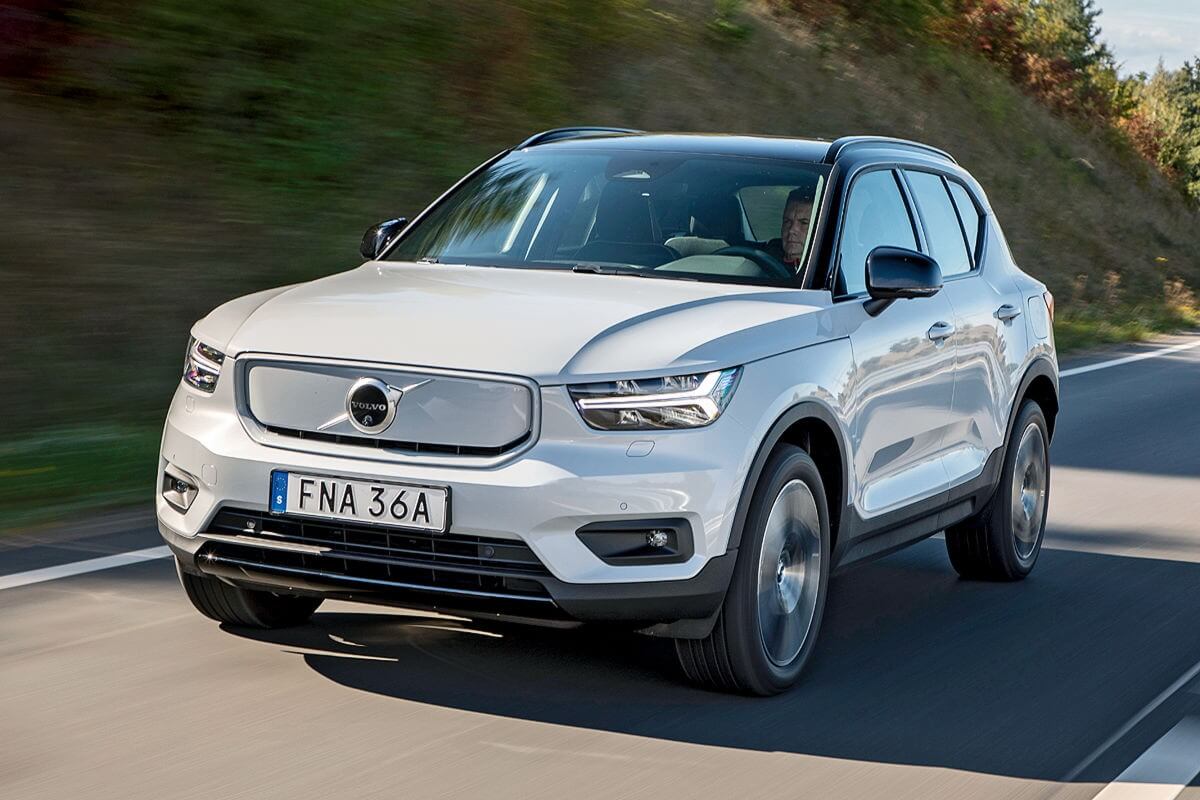
Volvo is actively testing wireless charging on its XC40 Recharge models. This vehicle is one of the first to use inductive charging technology for commercial use. To test wireless charging, Volvo is using special charging platforms installed in taxi companies in Gothenburg, Sweden. This allows taxis to charge while parked without the need for cables.
The Volvo XC40 Recharge supports charging speeds of up to 40 kW, which significantly reduces charging times compared to traditional methods. The absence of cables makes charging simple and convenient, and the camera system that ensures precise alignment with the charging platform adds further convenience and efficiency.
Nissan LEVC TX Taxi
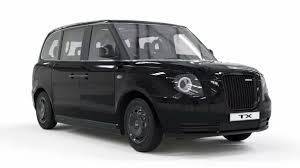
The LEVC TX model used as a taxi in the UK is part of a wireless charging pilot project called Wireless Charging of Electric Taxis (WiCET). As part of this project, taxi drivers can recharge their vehicles without the need to connect wires by simply parking over a charging platform at taxi ranks.
This innovative solution allows taxi drivers to save time, as they can charge their vehicles when they are not in use, without interfering with the charging process. This is especially important for taxi drivers, as their earnings depend on the number of trips they take, and every delay in charging affects their income.
BMW 530e
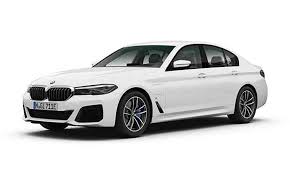
The BMW 530e is equipped with a wireless charging system that allows drivers to conveniently charge the vehicle without the need for a cable. This system is capable of delivering up to 3.2 kW of power, which allows the car to be quickly charged and provide the necessary energy for further driving.
The BMW 530e combines a high level of comfort with technological innovation. The car has a hybrid powertrain that includes a 2.0-litre petrol engine and an electric motor, providing a total output of 288 horsepower. This allows the car to travel at high speeds and provide up to 21 miles (approximately 34 km) on electric power, making it a great option for city driving.
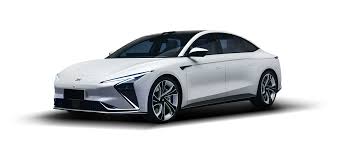
Zhiji L7
The Zhiji L7 is a Chinese sports sedan that supports 11 kW of wireless charging technology. Thanks to this system, the car can be charged at speed, allowing you to get up to 50 miles (approximately 80 km) of range in just one hour of charging.
Zhiji L7 combines advanced technology with luxurious design. This car is equipped with a powerful electric motor that develops up to 540 horsepower and can accelerate to 100 km/h in 3.9 seconds. With a battery capacity of up to 118 kWh, the car can travel more than 600 km on a single charge, making it ideal for long journeys.
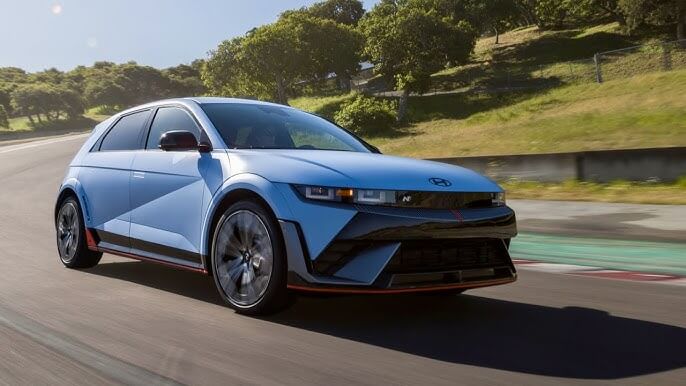
Hyundai Ioniq 5
The Hyundai Ioniq 5 is one of the most popular electric cars in Ukraine, and its wireless charging version allows you to charge the car without connecting cables. This provides additional convenience and makes the charging process much easier.
The Ioniq 5 is equipped with an 800-volt battery that allows the use of both 400V and 800V charging infrastructures. This ensures incredibly fast charging - up to 100 km of range in 5 minutes using a fast charging station. At the same time, the wireless charging version allows you to conveniently charge your car anywhere without the need for wires.
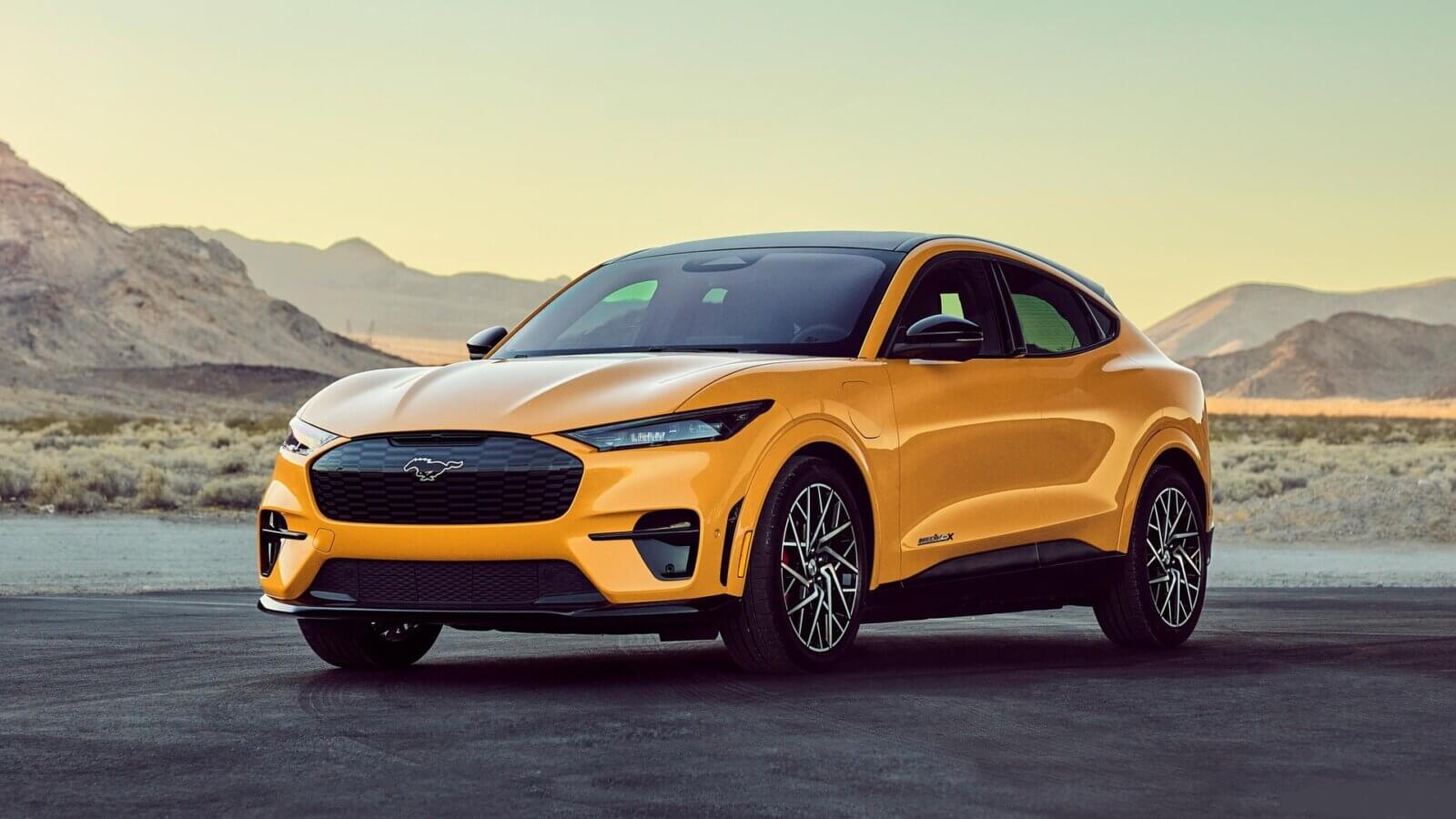
Ford Mustang Mach-E
The Ford Mustang Mach-E is a powerful and stylish electric SUV that also supports wireless charging. Drivers of this car can easily charge their cars without connecting cables, making it very convenient for those who use the car frequently and don't want to spend time connecting to a charging station.
The Ford Mustang Mach-E is one of the leaders in its class in terms of performance and range. Depending on the configuration, this car can cover 370 to 500 km on a single charge. In addition, the model offers a powerful electric motor that can accelerate the car to 100 km/h in 4.1 seconds in the fastest version.
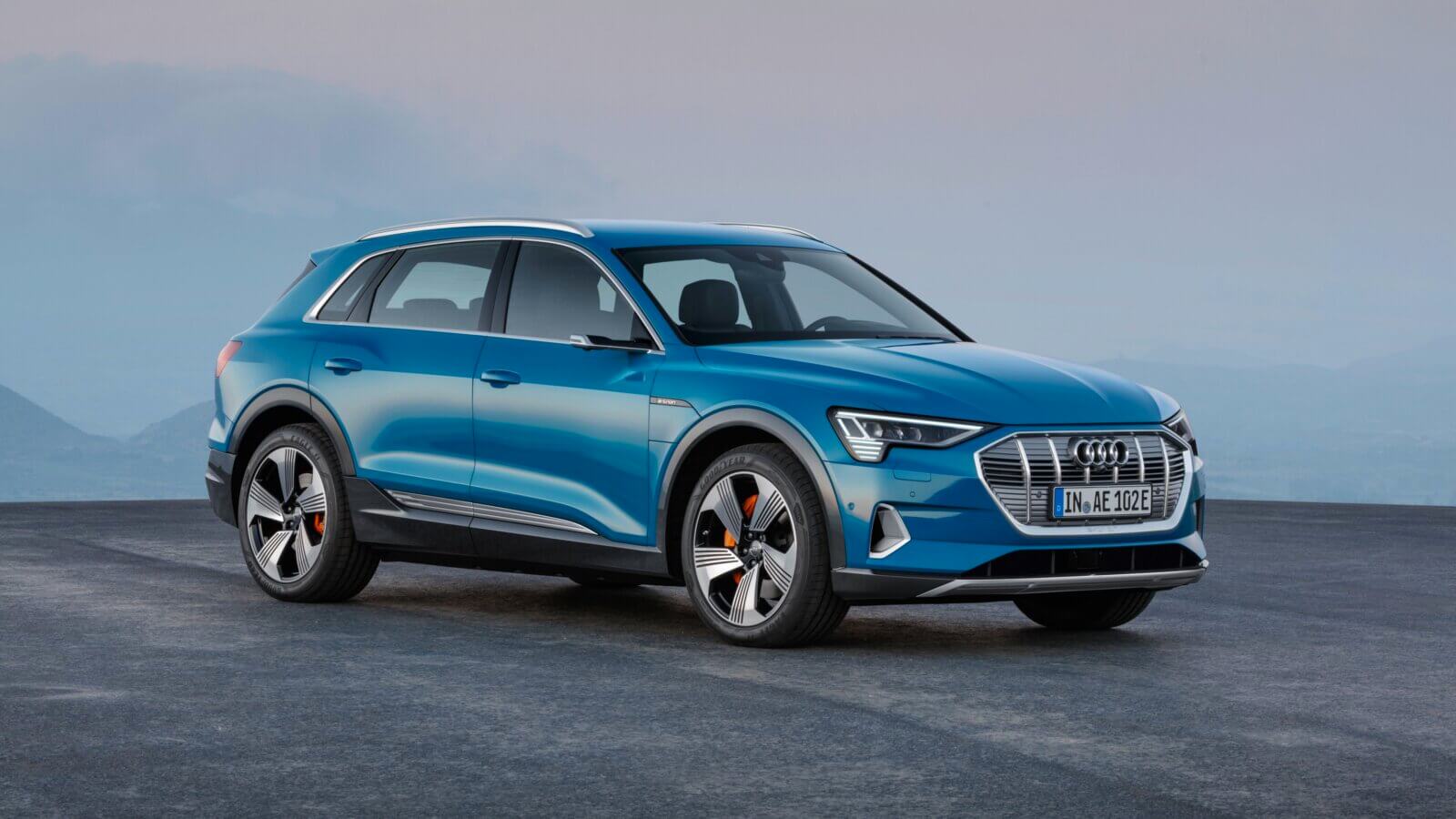
Audi e-tron
The Audi e-tron is a premium electric car that combines high performance with modern technology, including wireless charging. This car is designed for those looking for a combination of luxury, technological innovation and efficiency. Wireless charging adds comfort by allowing you to charge your car without cables.
The Audi e-tron is equipped with a large battery that supports fast charging with a capacity of up to 175 kW. This allows the battery to be charged from 10% to 80% in just 28 minutes, making it ideal for long journeys. Thanks to wireless charging, drivers can charge their vehicle effortlessly by simply parking it on a special platform.
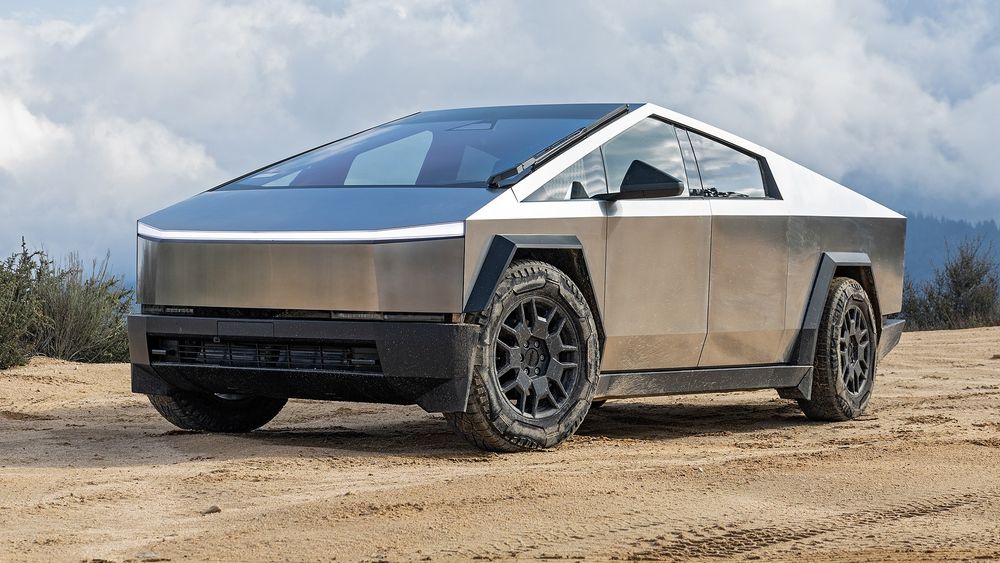
Tesla Cybertruck
The Tesla Cybertruck, one of the most talked about electric vehicles, also supports inductive wireless charging, which is part of Tesla's overall strategy to automate processes. Thanks to wireless charging, Cybertruck drivers can simply park their vehicle on a charging platform and the charging process will start automatically.
The Tesla Cybertruck has an impressive range of up to 800 km on a single charge, depending on the modification. This electric pickup truck is equipped with a powerful three-motor drive train that allows it to accelerate to 100 km/h in seconds, making it ideal for heavy-duty and off-road use.
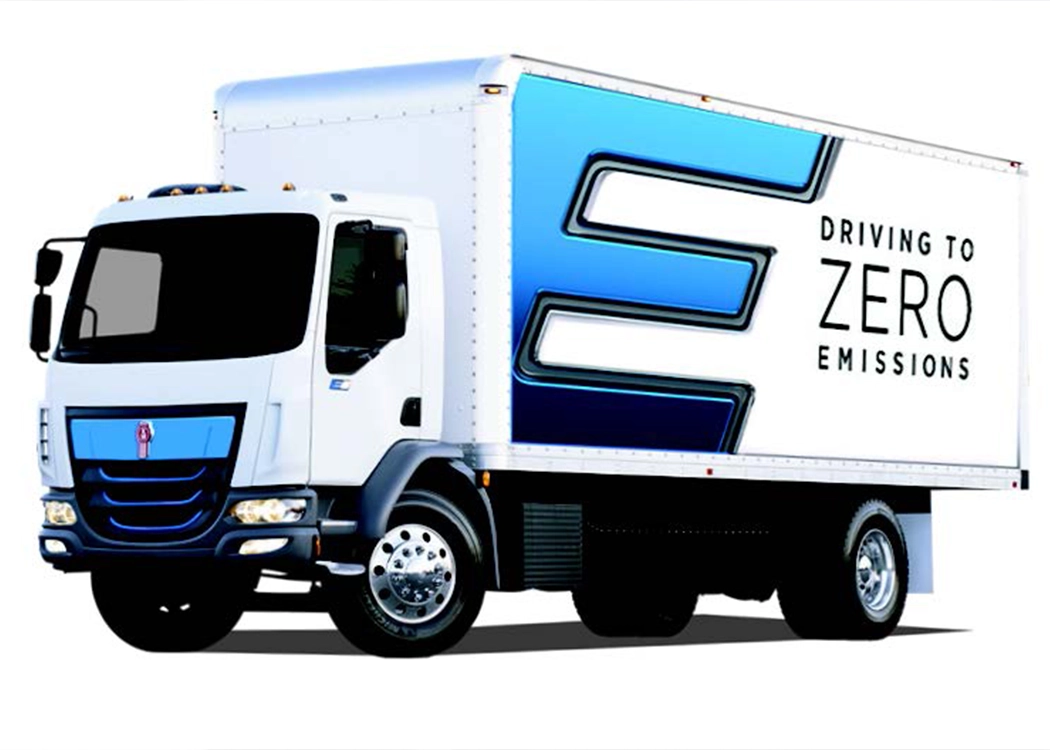
Kenworth K270E and K370E
The Kenworth K270E and K370E are electric trucks that support high-energy wireless charging and are the first commercial vehicles to use this technology. These trucks are equipped with special inductive charging platforms that allow them to charge while parked at charging stations or depots.
These trucks are designed for use in the commercial sector and come with two battery options: 141 kWh with a range of up to 160 km and 282 kWh, which allows for a range of up to 300 km on a single charge. This makes them effective for use in logistics and delivery applications where time and efficiency are critical factors.
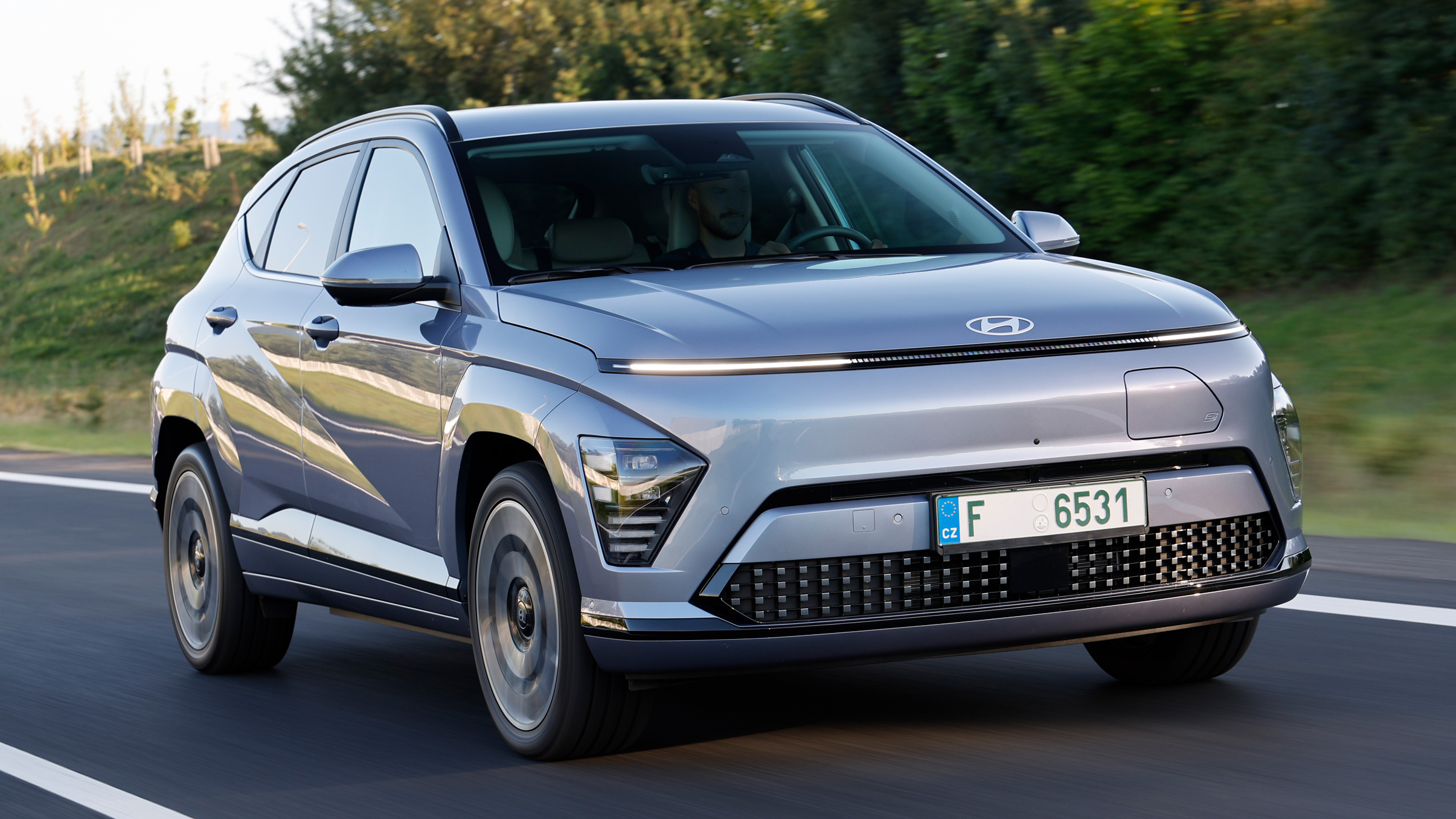
Hyundai Kona EV
The Hyundai Kona EV is a compact electric crossover that also supports wireless charging. Thanks to its compact size and high efficiency, the Kona EV is ideal for city driving, particularly in tight parking spaces.
This vehicle is equipped with a 64 kWh battery, giving it a range of up to 450 km on a single charge. Thanks to wireless charging, drivers can charge the Kona EV anywhere without having to worry about wires or plugging into a station. This adds convenience and makes using the car even more comfortable.
Key players in the wireless charging market for electric vehicles
In Ukraine, the market for wireless charging for electric vehicles is just beginning to develop, but globally, there are already several key players actively working on the implementation of this technology. Here are some of them who are innovating in wireless charging:
| Company. | Key achievements | Technologies |
| Continental AG | Development of inductive charging systems for electric vehicles that reduce energy losses and increase charging efficiency. | Inductive charging for electric vehicles |
| Electreon | Specialises in dynamic wireless charging, which allows cars to be charged while driving. It is already testing its systems in several countries. | Dynamic wireless charging |
| WiTricity | Leader in the development of wireless charging based on magnetic resonance, which allows for easy integration of these technologies into the infrastructure. | Magnetic resonance wireless charging |
These companies are actively working to improve wireless charging to make it affordable and convenient for widespread use in electric vehicles. They are developing both stationary and dynamic charging solutions that will help reduce dependence on traditional cable-based charging methods.

ECOFACTOR: Supporting the development of infrastructure for electric vehicles in Ukraine
At ECOFACTOR, we are actively working to develop the infrastructure for electric vehicles in Ukraine, offering charging solutions that meet modern standards. Although we do not develop wireless charging, our company provides a variety of services and products that help make the use of electric vehicles more convenient and affordable.
We design and manufacture electric vehicle charging stations that provide a reliable and efficient solution for businesses and individuals. Our range includes both mobile charging stationsand powerful AC and DC stations that support up to 420 kW of power. All our devices are fully developed and manufactured in Ukraine, which gives us the opportunity to control the quality at every stage of production.
Our services include:
- A platform for managing a network of charging stations.which allows operators to track energy consumption, set tariffs and simplify reporting.
- Mobile application for drivers, available for iOS and Android, which allows you to easily find charging stationscheck their availability on the card and make payments.
- Online shop, where you can buy a variety of accessories, cables and adapters for charging electric cars.
We also support electric vehicle users through our in-app community of over 215,000 members and offer over 3,500 charging ports on our platform. Our solutions make charging electric vehicles more convenient and affordable for every driver in Ukraine.
Ours charging stations are used in various locations in Ukraine, including business centres, hotels, restaurants and residential complexes, which allows us to provide maximum comfort for electric car owners. If you need help choosing a charging station, our experts are ready to provide advice and help you find the best solution for your business or home.
We continue to actively develop the infrastructure for electric vehicles in Ukraine and are ready to offer new solutions that meet the requirements of the modern market.
Prospects for wireless charging in Ukraine
Although wireless charging stations for electric vehicles are not yet widespread in Ukraine, their introduction in the future has significant potential. Given the overall development of the infrastructure for electric vehicles, wireless charging technology could be an important step towards more convenient and affordable use of electric vehicles in the country.
Ukraine is currently actively working to develop a network of charging stations that includes both traditional wired and advanced wireless solutions. Wireless charging for electric vehicles has numerous advantages, including the convenience and speed of charging without the need to connect cables. This significantly reduces the wear and tear on connectors, reduces the risk of accidents in car parks, and adds comfort to drivers who can charge their cars automatically without any additional effort.
Another important advantage is the potential of wireless charging for the development of dynamic charging infrastructure, which allows cars to be charged while driving. In the future, this technology could become the basis for the creation of special roads with wireless charging systems, which will provide constant energy for electric vehicles over long distances. This will reduce the need for frequent stops for charging, which will be an important advantage for long-distance travel.
With the growing popularity of electric vehicles in Ukraine, the need for innovative solutions such as wireless charging will only increase. The number of wireless charging stations is expected to increase in the coming years as the technology becomes more accessible and cost-effective. The introduction of wireless charging stations can be an important part of the country's infrastructure modernisation, meeting the current requirements of environmental and technological development.
Conclusion.
Wireless charging for electric vehicles is a promising technology that can significantly simplify the charging process and make it more convenient and safe for drivers. This market is still in its infancy in Ukraine, but as new charging stations are installed and the number of electric cars increases, the need for such solutions will only grow. Wireless charging technology promises to significantly increase convenience, reduce the risk of accidents and save drivers time, as there is no need to connect cables. In addition, the ability to charge while driving, enabled by dynamic wireless charging, could be an important step in the development of electric vehicles.
In the coming years, as infrastructure expands and technology improves, wireless charging may become commonplace for Ukrainian drivers, increasing the comfort and efficiency of electric vehicles. However, for now, traditional charging methods remain the mainstay, and many companies like ours, ECOFACTOR, are actively working to expand the network of charging stations to make charging more convenient for users across the country.
Frequently asked questions
Is wireless charging for electric cars available in Ukraine?
Wireless charging for electric vehicles is just beginning to be implemented in Ukraine. It is not yet widespread, but as the infrastructure for electric vehicles develops, it is expected that wireless charging stations will become more accessible in the future.
What are the advantages of wireless charging compared to traditional charging?
The main advantage of wireless charging is convenience. Drivers can park the car on the charging platform and charging will start automatically without the need to connect cables. This reduces wear and tear on the connectors, reduces the risk of accidents and saves time.
Are there any charging stations for wireless charging in Ukraine?
Wireless charging stations for electric vehicles have not yet been implemented in Ukraine, but the technology has the potential to develop in the future.
Which electric cars support wireless charging?
Among the most well-known models that support wireless charging are the Volvo XC40 Recharge, BMW 530e, Hyundai Ioniq 5, Tesla Cybertruck, and others. These are innovative models that are actively using or testing wireless charging technologies.
How does wireless charging affect the car's charging speed?
Wireless charging speeds may vary depending on the vehicle model and charging station capacity. For example, some models support charging speeds of up to 40 kW, which can significantly reduce charging times compared to traditional methods.
Will wireless charging be available for mass use in Ukraine?
Thus, with the development of the infrastructure for electric vehicles, wireless charging has significant potential to become available for widespread use in Ukraine. However, this process will require time and investment in the development of technology and charging station networks.


