





The cost of replacing an electric car battery: A complete guide
Electric vehicles (EVs) are becoming increasingly popular in Ukraine due to their environmental friendliness, efficiency and comfort. But what happens if the main component of this vehicle, the battery, fails? Replacing the battery in an electric vehicle is not as easy as replacing the batteries in a TV remote control. This is a rather serious process that requires a lot of money, and in this article [...]
Content:
Electric vehicles (EVs) are becoming increasingly popular in Ukraine due to their environmental friendliness, efficiency and comfort. But what happens if the main component of this vehicle, the battery, fails? Replacing the battery in an electric vehicle is not as easy as replacing the batteries in a TV remote control. It's a rather serious and costly process, and in this article, we'll look at what affects the cost of battery replacement, why it can fail, and how to extend the life of your battery.
We remind you that you can purchase home and commercial charging stations in our online storeand also use the public charging stations ECOFACTORcharging points located throughout Ukraine. For convenient access to charging infrastructure, we recommend using our mobile applicationwhich is available on iOS and Android.
Replacing the battery: when and why you need to do it
The batteries in electric vehicles can last much longer than those in conventional vehicles, but they can lose their effectiveness over time. Here are some of the main reasons why a battery may need to be replaced. First, battery capacity decline is a natural process for the lithium-ion batteries used in EVs. With each charge, the battery loses its ability to store the same amount of energy, which reduces the range per charge. This is a normal phenomenon, depending on the number of charges and usage of the battery.
Secondly, the battery can suffer physical damage due to accidents, mechanical shocks or even natural disasters. Although batteries in electric vehicles are generally more resistant to such impacts, mechanical damage can still result in the need for battery replacement. In addition, the battery can fail due to faults in the electrical system, when individual components of the battery stop functioning properly.
If you notice that your car's range per charge has decreased or that charging is significantly slower, this could be a signal that the battery needs to be replaced. Also, many electric car models have special indicators that signal problems with the battery. If you see a malfunction message or the battery indicator does not go out, this is also a reason to contact a service centre.
Cost of battery replacement in Ukraine
The cost of replacing the battery in electric cars in Ukraine varies depending on the car model, battery capacity and other factors. Approximately, battery replacement prices range from UAH 150,000 to UAH 500,000. However, the exact cost can only be determined after diagnosing a particular car.
Estimated cost of battery replacement for popular models
| Make and model | Battery capacity (kWh) | Estimated cost of the battery (UAH) | Estimated replacement cost (UAH) |
| Tesla Model 3 | 75 | 200 000 | 250 000 |
| Nissan Leaf | 40 | 150 000 | 200 000 |
| Hyundai Ioniq 5 | 77.4 | 300 000 | 350 000 |
| BMW i4 | 81.3 | 250 000 | 300 000 |
| Renault Megane E-Tech | 60 | 180 000 | 230 000 |
These figures are indicative, as the price may vary depending on the battery capacity, cost of work and place of purchase. For an accurate estimate, it is recommended that you contact authorised service centres or specialised workshops that repair and replace electric vehicle batteries.
It is noted that the cost of replacing the battery may vary significantly depending on specific conditions and circumstances. It is therefore recommended that you contact an electric vehicle specialist for accurate information and advice.
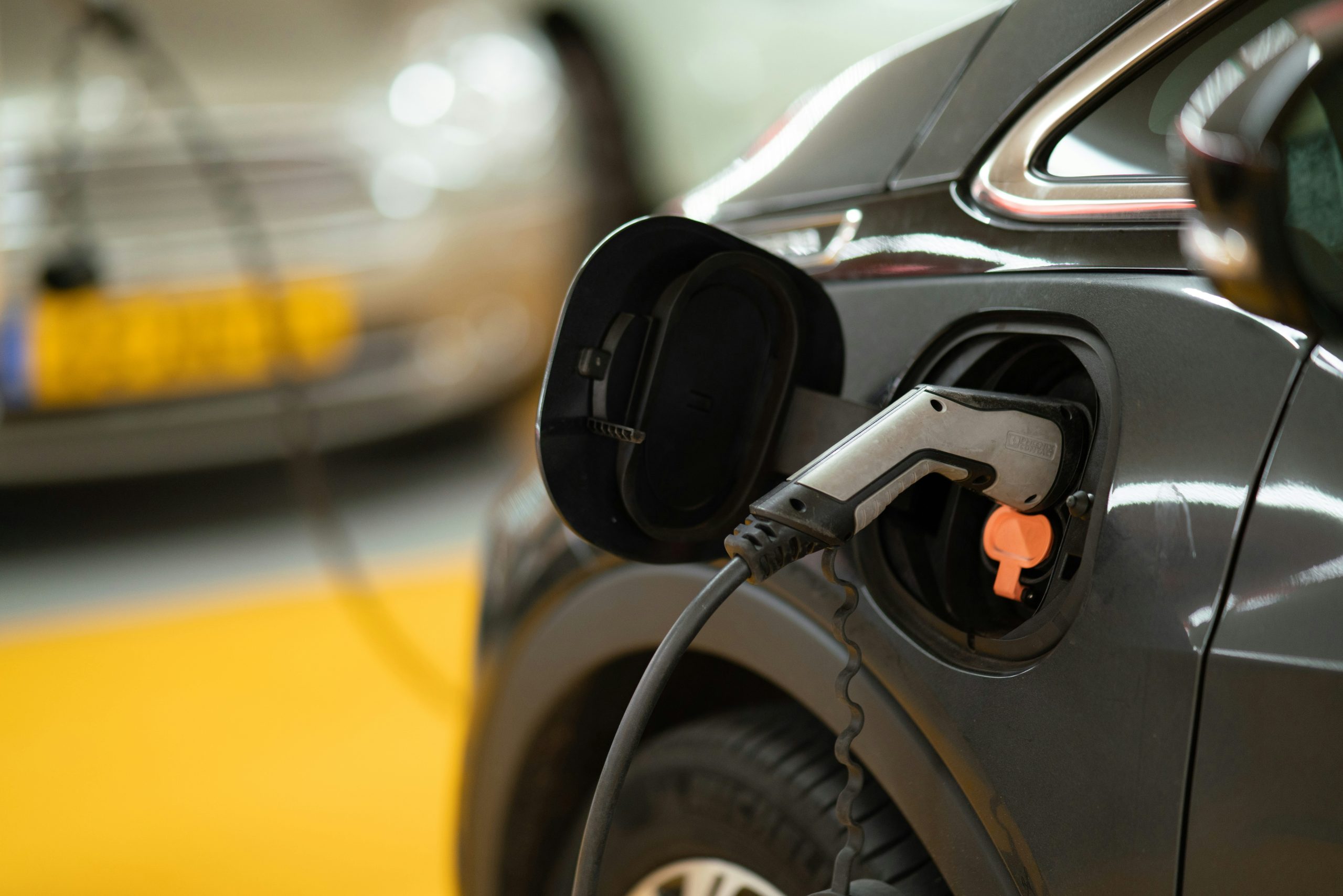
Factors affecting the cost of battery replacement
The question arises - why is battery replacement so expensive? There are several key factors that determine the cost of battery replacement in electric vehicles. Understanding these factors will help you better navigate prices and make more informed decisions.
- Battery type: Lithium-ion batteries are the most commonly used battery type for electric vehicles due to their high efficiency and long service life. They provide better return per charge and have a higher energy density, which allows the car to travel longer distances on a single charge. However, they are also the most expensive, as the production of such batteries requires sophisticated technology and expensive materials. Replacing such a battery can be significantly more expensive than other types of batteries, such as lead-acid batteries.
- Car make and model: The cost of replacing a battery can vary significantly depending on the make and model of the vehicle. For example, batteries for premium brands such as Tesla or BMW can be several times more expensive than batteries for more affordable models such as the Nissan Leaf or Hyundai Ioniq. The specifics of the car model are also taken into account: some cars require more complex or larger batteries, which increases the cost.
- Cost of work: If you use an authorised service centre to replace the battery, the price of the work may be higher due to the use of highly trained technicians and the use of original components. Authorised centres often charge higher rates for their services because they work with genuine parts and provide a warranty on the work performed. Alternatively, repairs in unofficial workshops may be cheaper, but there may be a risk due to the use of non-original or questionable components.
- Additional costs: In addition to the cost of the battery itself, the replacement cost may include additional costs for services such as battery installation, contact cleaning and checking the vehicle's electrical system. If there is damage or defects in other components of the electrical system, additional repairs or adjustments may be required, increasing the total cost of replacement. In addition, when replacing the battery, it is often necessary to update the software or calibrate the battery to ensure that the vehicle can read its condition correctly.
Understanding these factors will help you to better prepare for future costs and make decisions that take into account all possible battery replacement costs.
What happens to old electric car batteries?
One thing is for sure: outdated electric car batteries do not end up in landfills because they are too valuable for that. Moreover, this goes against the main purpose of using electric cars: to protect the environment. And even if these batteries are no longer suitable for powering the car, they still retain 50 to 60% of their original charge, making them useful for other purposes.
Modern ways to use old electric car batteries
| Application. | Description. |
| Electric bicycles | Older batteries can be repurposed to power electric bicycles, reducing the cost of new batteries. |
| Street lighting | They are used to store energy and then power streetlights, which helps to reduce energy consumption in urban areas. |
| Backup power supply for lifts | The old batteries can be used to back up the power supply to lifts in the event of a power outage, ensuring safety in multi-storey buildings. |
| Storage of solar energy | They are used to store excess energy generated by solar panels and use it at night or during peak load times. |
| Portable power supplies | Recycled batteries can be used to create mobile backup power sources that can be used in a variety of situations, such as charging mobile devices or other electronic devices. |
| Stabilising energy networks | Older batteries can be used to stabilise power grids by storing energy to compensate for fluctuations in power or to distribute it at times of high demand. |
| Recovery of metals for recycling | Old batteries can be disassembled to recover rare metals such as cobalt and nickel, which are used to make new batteries or other technical components. |
Recycling and reusing batteries not only reduces the cost of new components, but also reduces the need for new natural resources such as lithium, cobalt and nickel. This reduces the environmental footprint of the extraction of these materials and contributes to a more efficient use of limited resources. In Ukraine, where sustainability and waste management issues are becoming increasingly important, the use of old batteries can be an important step towards reducing environmental impact and energy security.
How do I extend the battery life?
To avoid frequent battery replacements and ensure battery longevity, it is important to follow certain guidelines to help keep the battery in good condition for a long time.
1. Limit the use of fast charging
Although using supercharges can save time, you should not do so regularly. Continuous fast charging increases the wear and tear on the battery. This is because the fast charging process generates extra heat, which can damage the internal cells of the battery. They may become less efficient and the battery itself may lose its capacity over time. Only use fast charging in an emergency when you need to quickly replenish the battery level.
2. Maintain the charge level between 20% and 80%
The ideal charge level for an electric vehicle battery is between 20% and 80%. This helps to minimise stress on the battery and extend its life. If you charge the battery to 100% or discharge it to zero, this can accelerate the degradation process. Therefore, try not to push the battery to extremes and charge it within the specified limits.
3. Charge the battery in extreme temperatures
Extreme temperatures - hot or cold - can have a negative impact on battery performance. Whether your vehicle is parked in the sun in summer or in the cold in winter, it is important to ensure that the battery remains in optimal conditions. When the temperature is too high or low, the battery thermal stability management system can help maintain the correct temperature. Always connect your vehicle to a charging station in these conditions, even if it is stationary, to ensure that the battery performs at its optimum level.
4. Avoid aggressive acceleration
Rapid acceleration and aggressive driving not only increase energy consumption, but also accelerate battery wear. This puts a strain on the battery due to the constant high power consumption. Although it may be necessary at times, try to avoid such manoeuvres in your everyday driving. Driving calmly and gradually will help keep the battery in good condition.
5. Use the vehicle regularly
Like any other mechanism, the battery needs regular use to maintain its performance. If your car is left idle for too long, the battery may begin to degrade. You should drive short distances at least occasionally to keep the battery in good working order. This helps to avoid discharge problems and ensures that all elements of the car work properly.
These tips will help you to significantly extend the battery life of your electric vehicle and keep it efficient for years to come.

ECOFACTOR: Reliable solutions for charging and maintaining batteries
We are ECOFACTOR, which specialises in the design, development and production of charging stations for electric vehicles in Ukraine. Our charging stations are manufactured to industry standards, ensuring a high level of reliability and efficiency. We offer a wide range of solutions, including mobile charging stations, AC stations up to 44 kW and DC stations up to 420 kW, suitable for both private and business use.
In our online store you can find not only charging stationsbut also accessories for electric vehicles, such as cables, adaptersThe app also includes adapters for different types of sockets, as well as special RFID cards for accessing charging stations. Our app for iOS and Android allows users to conveniently locate the nearest charging stations using maps of charging stationsand manage the settings of your charger network.
We strive to make charging electric vehicles accessible and convenient for everyone. With us, you can rely on reliable charging solutions that increase the efficiency and convenience of your daily electric vehicle operation.
Conclusion.
Replacing the battery in an electric car can be considered a significant investment that requires careful consideration. Understanding why the battery needs to be replaced, how to properly care for the battery, and what factors affect the cost of replacement are important aspects for every electric car owner. While battery replacement can be expensive, knowing how to extend battery life and using charging stations properly can help avoid unnecessary costs
Frequently asked questions
How long does an electric car battery last?
The batteries in electric vehicles typically last between 8 and 10 years, depending on how often they are charged, how many charging cycles they undergo and the conditions in which they are stored. It is recommended to follow the correct charging strategy to extend the battery life.
What to do if the car's mileage on a single charge has decreased?
Reduced range on a single charge may indicate battery degradation. In such cases, you should contact a service centre to have the battery diagnosed to determine if it needs to be replaced.
Can I use non-original charging stations for my electric car?
Yes, you can use charging stations from other manufacturers if they are compatible with your vehicle. However, for the best performance and safety, we recommend using charging stations that meet the technical requirements of your vehicle and are certified by the manufacturers.
Why should you contact an authorised service centre to have the battery replaced?
Authorised service centres use original components, have certified technicians and provide a guarantee for the work performed, which ensures the safety and durability of the battery and the vehicle.
How to charge the battery in extreme temperatures?
In winter or in hot weather, it is important to charge the battery in an environment that maintains the optimum temperature for the battery. To do this, you can use a garage or special equipment to maintain the temperature, and avoid charging in extreme cold or direct sunlight.


