





6 Ways to Extend the Battery Life of an Electric Car
Electric vehicle batteries wear out over time, reducing their capacity and range. While it is impossible to completely prevent this process, there are some effective ways to make your battery last longer. In this article, we'll look at how to properly care for your electric vehicle's battery and what you can do to extend its life. We remind you that you can buy home and [...]
Content:
Electric vehicle batteries wear out over time, reducing their capacity and range. While it is impossible to completely prevent this process, there are some effective ways to make your battery last longer. In this article, we'll look at how to properly care for your electric vehicle's battery and what you can do to extend its life.
We remind you that you can purchase home and commercial charging stations in our online storeand also use the public charging stations ECOFACTORcharging points located throughout Ukraine. For convenient access to charging infrastructure, we recommend using our mobile applicationwhich is available on iOS and Android.
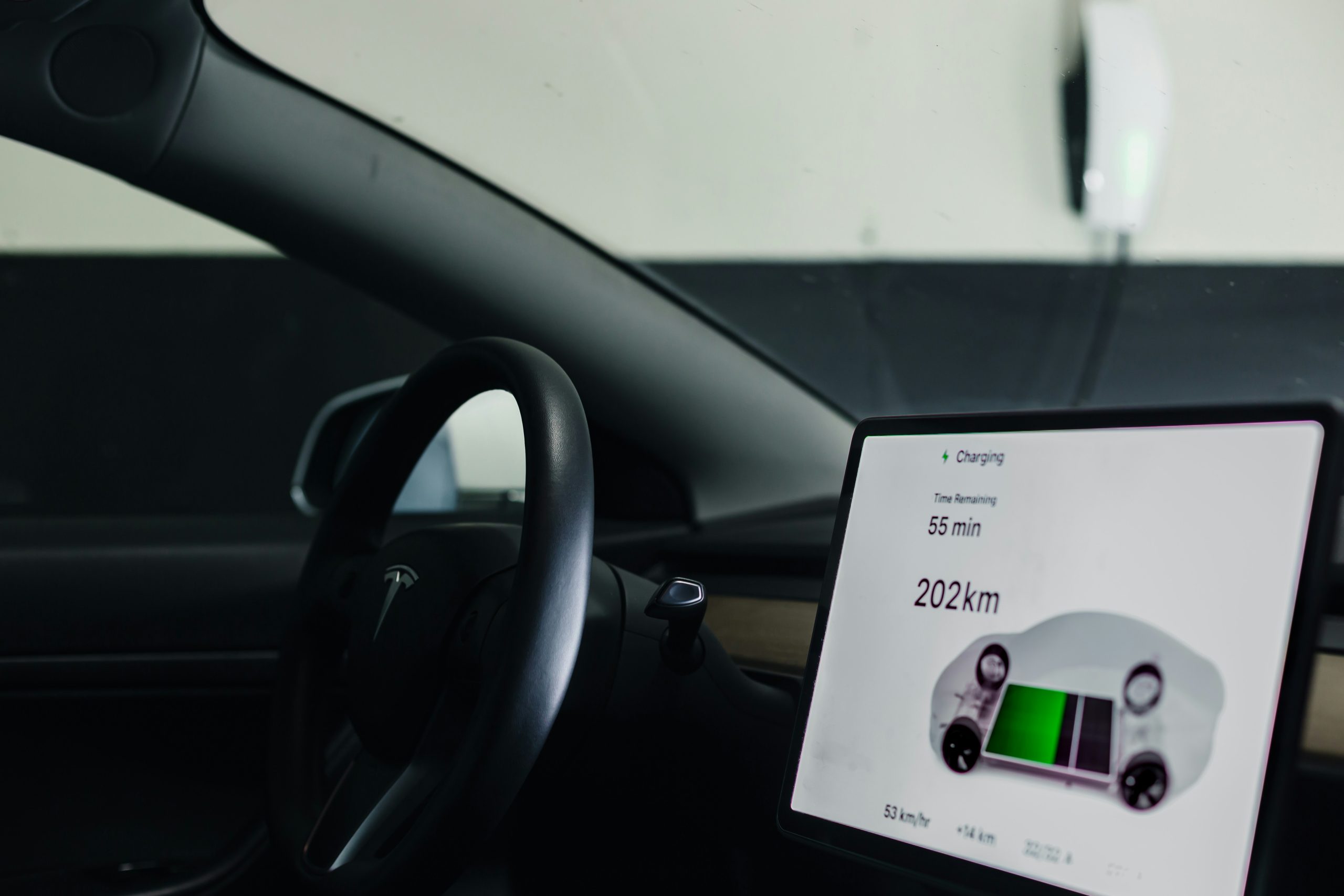
How long should an electric car battery last?
The battery life of an electric vehicle depends on many factors, such as frequency of use, driving style, charging conditions and climate conditions. Typically, electric car batteries can last from 8 to 15 years, which is 150,000 to 300,000 km of driving, depending on the type of car and the battery itself. Modern batteries have a high enough energy capacity that they can store enough energy for long journeys, but over time, like any other battery, they experience a gradual decrease in capacity.
Every electric car battery experiences a certain level of degradation during its lifetime. This means that every year the car loses between 1% and 3% of its total capacity. Over time, this leads to a reduction in the driving range on a full charge. However, modern batteries can provide good performance for many years if they are properly maintained. In Ukraine, most electric car manufacturers provide battery warranties for up to 8 years or 100,000 km, but some brands offer longer warranties, which gives customers additional confidence.
Overall, technological advances in battery technology are making it possible to significantly extend battery life, and new charge management methods are being developed every year to reduce the rate of battery degradation.
6 Easy Ways to Extend the Life of Your Electric Car Battery
Below are six simple tips to help extend the life of your electric vehicle's battery, keep it in good condition and avoid the need for battery replacement.
Some tips may not always seem practical, such as driving slower. But by keeping them in mind and using them whenever possible, you can significantly extend your battery life.
1. 1. Drive more slowly
Avoid unnecessary acceleration. Accelerating uses more energy than maintaining a constant speed, so try to minimise sudden manoeuvres. While driving slower may not always be convenient, it is undoubtedly the best thing for your battery.
Also, avoid braking hard to reduce energy consumption, which can wear out the battery faster. Try to avoid steep climbs and driving at high speeds, as these put a significant strain on the battery. If possible, choose routes with lower speeds and quieter traffic to preserve the charge for longer.
In general, pay close attention to your driving style and road conditions to optimise battery performance.
2. Avoid fast charging whenever possible
Fast charging is when you use a direct current (DC) charger. This is the fastest way to charge an electric vehicle, but it can damage the battery due to the high voltage levels, which shortens its lifespan.
Although fast charging may be necessary in an emergency, try to use it as little as possible. Whenever possible, charge your car using standard alternating current (AC) charging stations. There are a large number of such stations in Ukraine, which allows you to charge your electric vehicle without putting too much strain on the battery.
Using standard AC charging instead of fast charging will extend battery life. For example, eight years of AC charging can extend the battery life of the 10%, compared to eight years of fast charging.
3. Avoid extreme temperatures
Low and high temperatures can severely damage the battery of your electric car. The battery thermal management is designed to compensate for temperature fluctuations, which can lead to unnecessary energy consumption as the system tries to maintain the optimum temperature for efficient operation.
In summer, try not to leave your car in direct sunlight for long periods of time. If you plan to park your car on the street, find shade or, if possible, leave it plugged into a charger to use power from the mains instead of the battery.
In winter, if possible, park your car in a garage to avoid exposing the battery to the cold.
4. Do not let the battery discharge completely
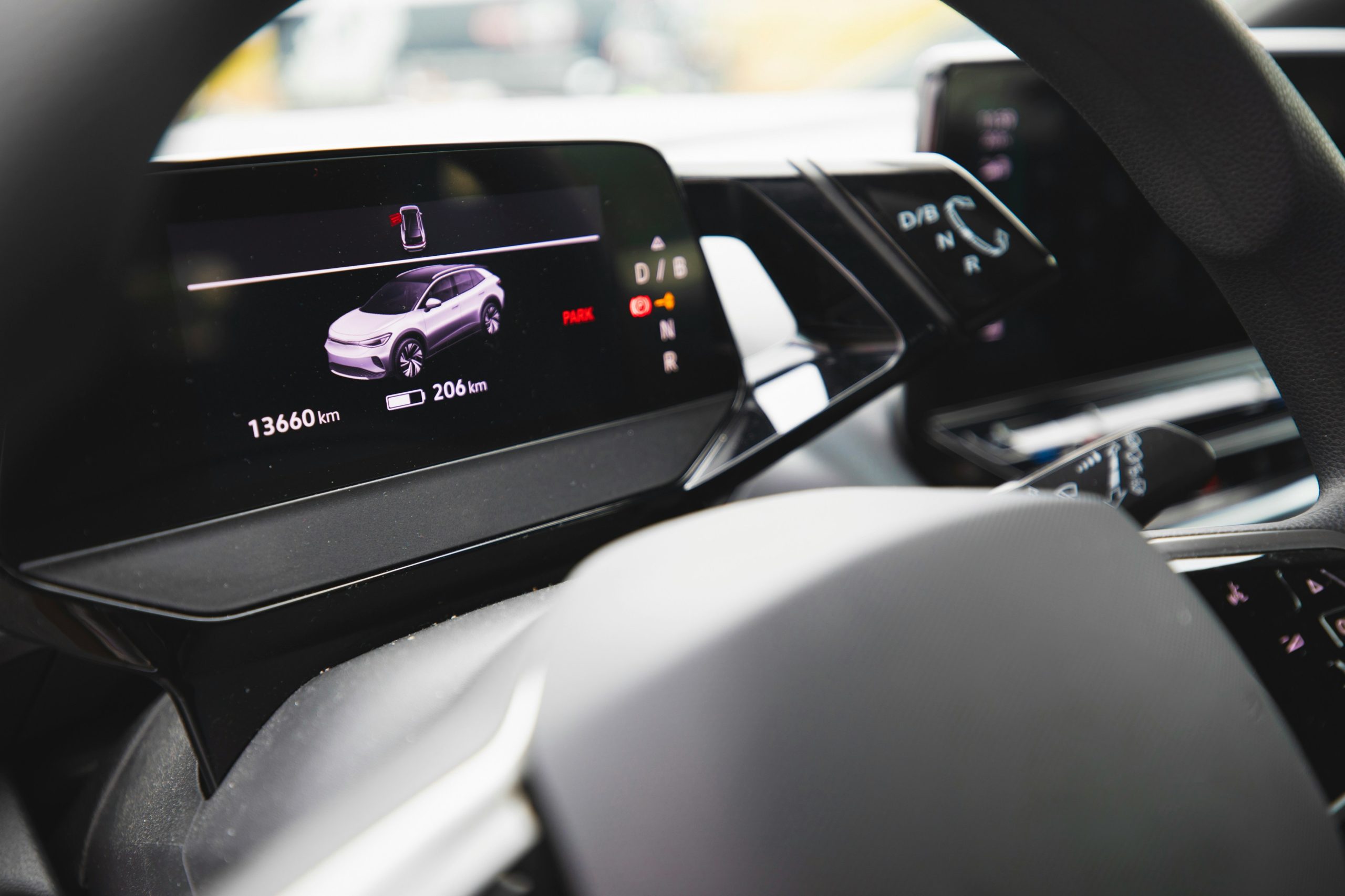
It's pretty obvious that a fully discharged battery can lead to trouble, such as leaving your car on the side of the road. However, that's not the only problem - a fully discharged battery can also significantly reduce its lifespan. Keep an eye on the charge level and try to recharge the battery when it drops to 20% or below.
If you use your car frequently, it is best to charge it several times a day to avoid deep discharges that can have a negative impact on the battery.
5. Do not overcharge the battery
Although it seems that charging up to 100% is normal practice, it can actually cause a decrease in battery capacity. Each time you charge the battery above 80%, it can gradually reduce its capacity, even if it is not as noticeable at first.
Try to keep your battery charge level between 20% and 80%. This is the optimum range for most modern batteries and will help keep them in excellent condition.
Newer models of electric vehicles have built-in systems that automatically reduce the charging speed when the battery reaches 100%, but it is still better not to bring it to this level unnecessarily.
6. Allow the battery to rest before charging
If you have recently stopped driving, allow the vehicle to cool down for a few minutes before connecting it to the charger. This will prevent the battery from running at maximum speed, which will also reduce the load on the battery and allow it to last longer.
Remember that electric car batteries need to be maintained to ensure that they last as long as possible. By taking these simple but important steps, you can keep your battery in good condition and extend the life of your electric vehicle.
How often do you need to charge an electric car?
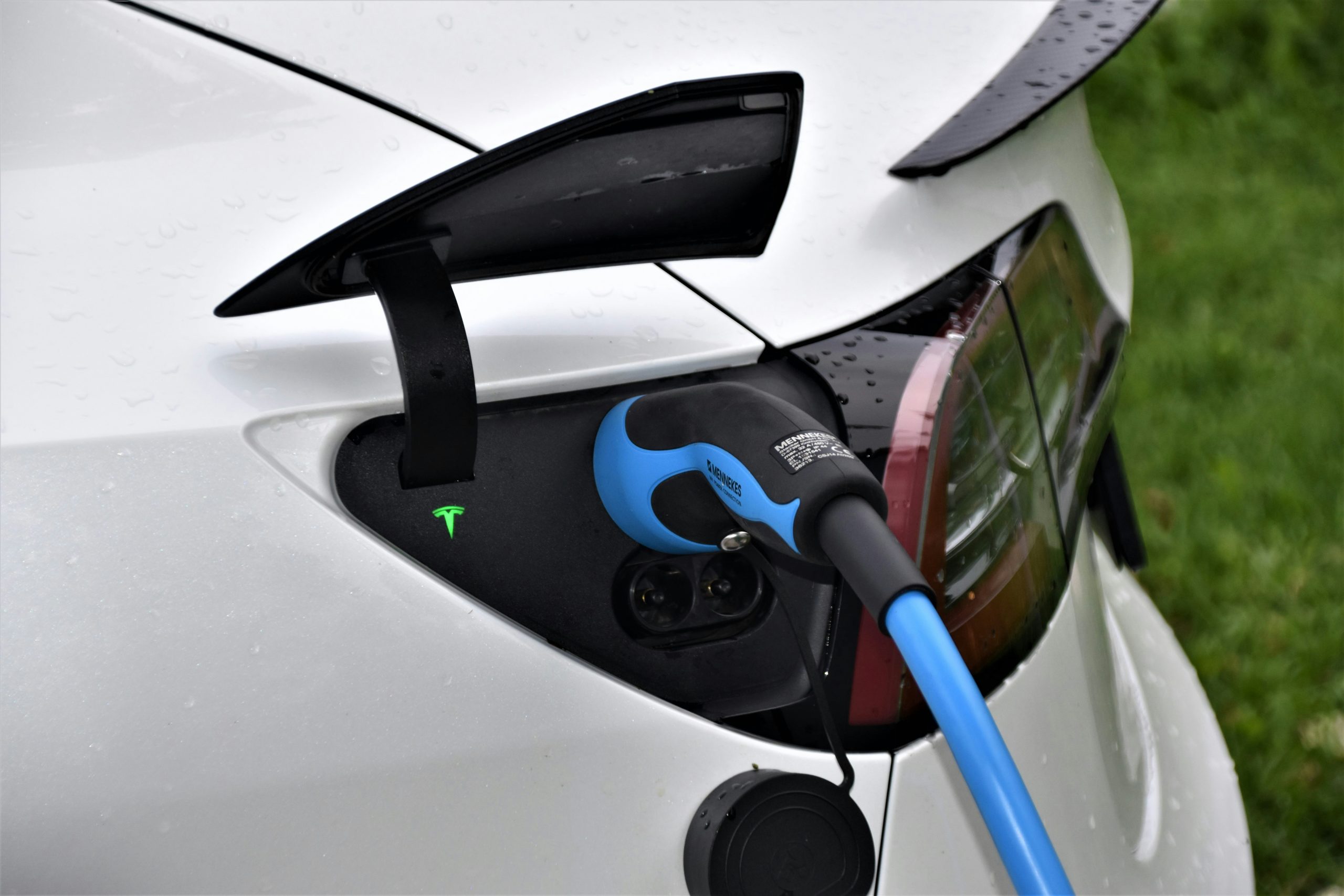
Drivers often ask how often they need to charge their electric car. This question has several aspects. If you use your car every day, you don't need to charge it every time, unless the charge level drops to a very low level. Ideally, the battery level should be between 20%-80%. This helps to keep the battery in the best condition possible without overcharging it or draining it to zero. It is important to charge the battery only when necessary.
Charging every day may be necessary if you are travelling long distances, but if you have enough charge for your daily commute, you can avoid frequent charging. The use of home charging stations in Ukraine is the best option for most electric car owners, as it reduces the load on the battery and allows you to control the charge level at a comfortable time. With the help of such stations, you can keep your battery in good condition and avoid unnecessary energy costs.
How long can an electric car stay without charging?
Electric cars, like any other vehicle, require a certain level of charge, even when not in use. If you plan to leave your vehicle for an extended period of time, make sure that the battery is not completely discharged. To preserve the battery, it is advisable to leave it at a charge level of 20%-80%. This prevents the battery from being depleted, which even at rest will use some power to support basic functions such as the alarm and other security systems.
If the vehicle is parked for more than a week, you can connect it to a charging station to keep the charge level within optimal limits. Avoid long-term storage with a fully discharged battery, as this may cause damage to the battery.

How much does it cost to replace an electric car battery?
The cost of replacing the battery depends on several factors: the car model, the age of the car and the condition of the previous battery. If you want to save money on replacement, you can contact a third-party company that installs refurbished or used batteries. This option will be the cheapest.
Typically, replacing a 24 kWh battery will cost about half the price of buying a new battery. However, this is not always the case, as the price can vary depending on the type of battery, its condition and the brand of your electric vehicle.
It is important to understand that battery replacement is not a problem that all electric car owners face, as most cars have warranties that cover battery wear and tear in the first years of operation. Most manufacturers provide a battery warranty of 8 to 10 years or a certain mileage, which allows owners not to worry about replacing the battery during this time. Note that even if you don't follow all the battery care recommendations, the battery should last at least 8-10 years before you have to think about replacing it.
In addition, due to the continuous development of technology and the decreasing cost of batteries, many electric car owners may not need to replace the battery for the entire life of the car. In a few years, when the battery no longer has the same power, it may also be a great time to upgrade to a newer model with a more efficient battery.
It is also important to note that over time, electric car batteries are becoming cheaper, which gives more opportunities to replace the battery without high costs. Therefore, battery replacement is a rare problem for most electric car owners, especially in Ukraine, where electric cars are not yet widely used.

Charging for longevity with ECOFACTOR
Proper battery charging is an important component of prolonging battery life, and we at ECOFACTOR understand this and offer a wide range of solutions to ensure optimal charging of your electric vehicle. Our company specialises in the development, production and supply of charging stations for electric vehicles, and we also provide additional accessories that help make the charging process convenient and safe.
We offer a variety of charging stations that comply with industry standards and are suitable for use at home and in business. From mobile charging stations to powerful AC and DC stations that allow you to charge electric vehicles quickly and safely. Our products are fully developed and manufactured in Ukraine, ensuring high quality and reliability.
Our offers
- Charging stations for business: We will find the station that best suits your business needs.
- Online store of charging accessories: In our online store you will find cables and adapters for electric cars that meet different standards and allow charging on different types of vehicles stations.
- Mobile application for drivers (iOS and Android): Our app allows you to find charging stations on the mapand view their availability, as well as receive up-to-date information about the network status.
We not only provide charging stations, but also help you organise an efficient charging system for different types of vehicles. This allows you to optimise energy consumption, minimise the strain on the battery and ensure that your electric vehicle is properly maintained.
Conclusion.
Proper battery charging is key to extending the life of your electric car. By following simple guidelines, such as keeping the charge level within 20-80%, avoiding fast charging, and being careful of extreme temperatures, you can significantly extend the efficiency and performance of your battery. These steps can not only keep your battery in good condition, but also reduce the need for battery replacement over the long term. With proper care, your battery can last for many years, allowing you to get the most out of your electric vehicle.
Frequently asked questions
How often do you need to charge an electric car?
An electric vehicle should be charged when the charge level drops to 20% or below. If the charge level is between 20 and 80%, it is not necessary to charge the car frequently.
Is fast charging harmful to the battery?
Yes, fast charging can have a negative impact on the battery because it uses high voltage, which can accelerate battery degradation. We recommend that you use fast charging only in an emergency.
How to store the battery if the car is not used for a long time?
If you plan to leave the vehicle for an extended period of time, keep the battery charge level within 20-80%. This will help prevent damage to the battery during inactivity.
Is it possible to charge an electric car every day?
It depends on your journeys. If you don't need to use your car often, it's best to charge it not every day, but only when the charge level drops to a low level.
How to reduce the load on the battery?
Driving at moderate speeds, avoiding hard acceleration and braking, and using alternating current (AC) charging stations instead of fast (DC) charging stations can help reduce the load on the battery.
5. Can I leave my car on charge overnight?
Most modern electric cars have built-in systems to prevent overcharging, so leaving your car on charge overnight shouldn't cause any harm. However, this depends on the car model, so it's best to check your car's manual.


