




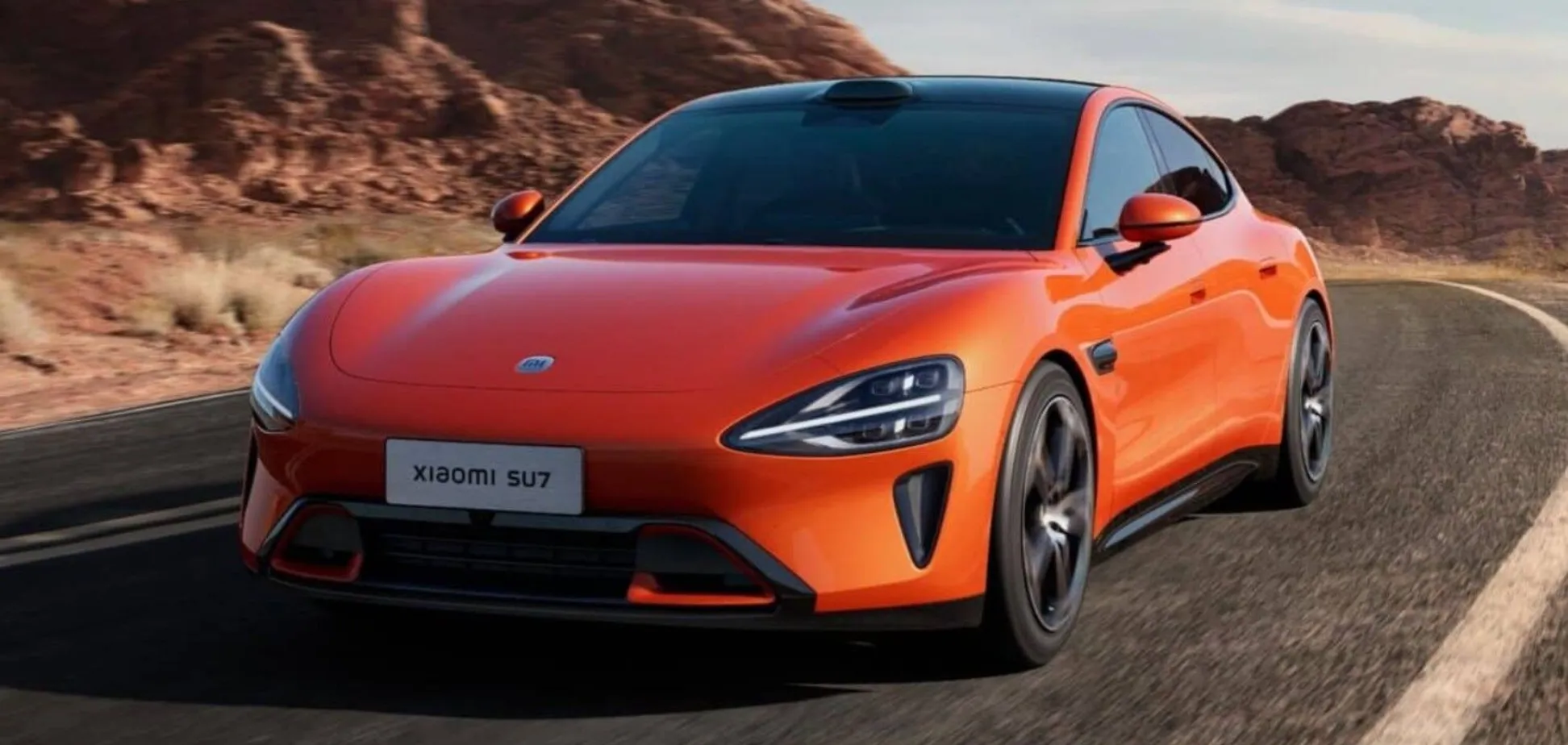
Xiaomi SU7 vs Tesla Model 3: what to choose in 2025
In 2025, the world of electric vehicles is going through another round of development. While Tesla has remained an undisputed symbol of innovation until recently, strong competitors are now emerging on the market that can offer just as much technology and even more practicality. One of the main players in the new generation is Xiaomi SU7, the debut model of a company known for its smart devices. It is opposed by the Tesla Model 3 Standard Range [...]
Content:
In 2025, the world of electric vehicles is going through another round of development. While Tesla has remained the undisputed symbol of innovation until recently, strong competitors are now emerging on the market that can offer just as much technology and even more practicality. One of the main players in the new generation is Xiaomi SU7, the debut model of a company known for its smart devices. It is opposed by the Tesla Model 3 Standard Range, an electric sedan that once set the standards in the class and now serves as a benchmark for new manufacturers.
Let's find out which electric car in 2025 is really more technologically advanced, comfortable and convenient for everyday use.
We remind you that you can purchase home and commercial charging stations in our online storeand also use the public charging stations ECOFACTORcharging points located throughout Ukraine. For convenient access to charging infrastructure, we recommend using our mobile applicationwhich is available on iOS and Android.
Design and aerodynamics
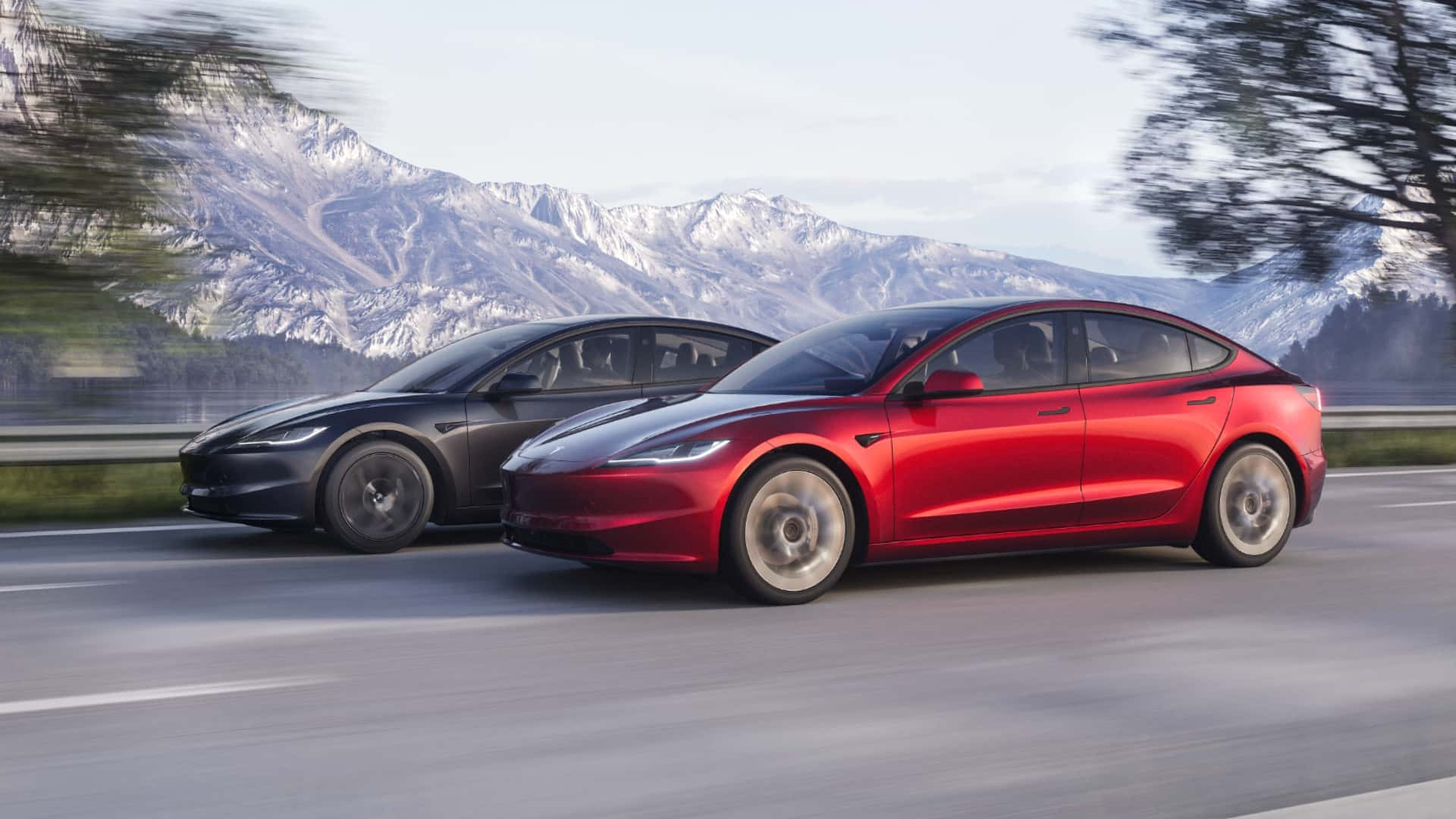
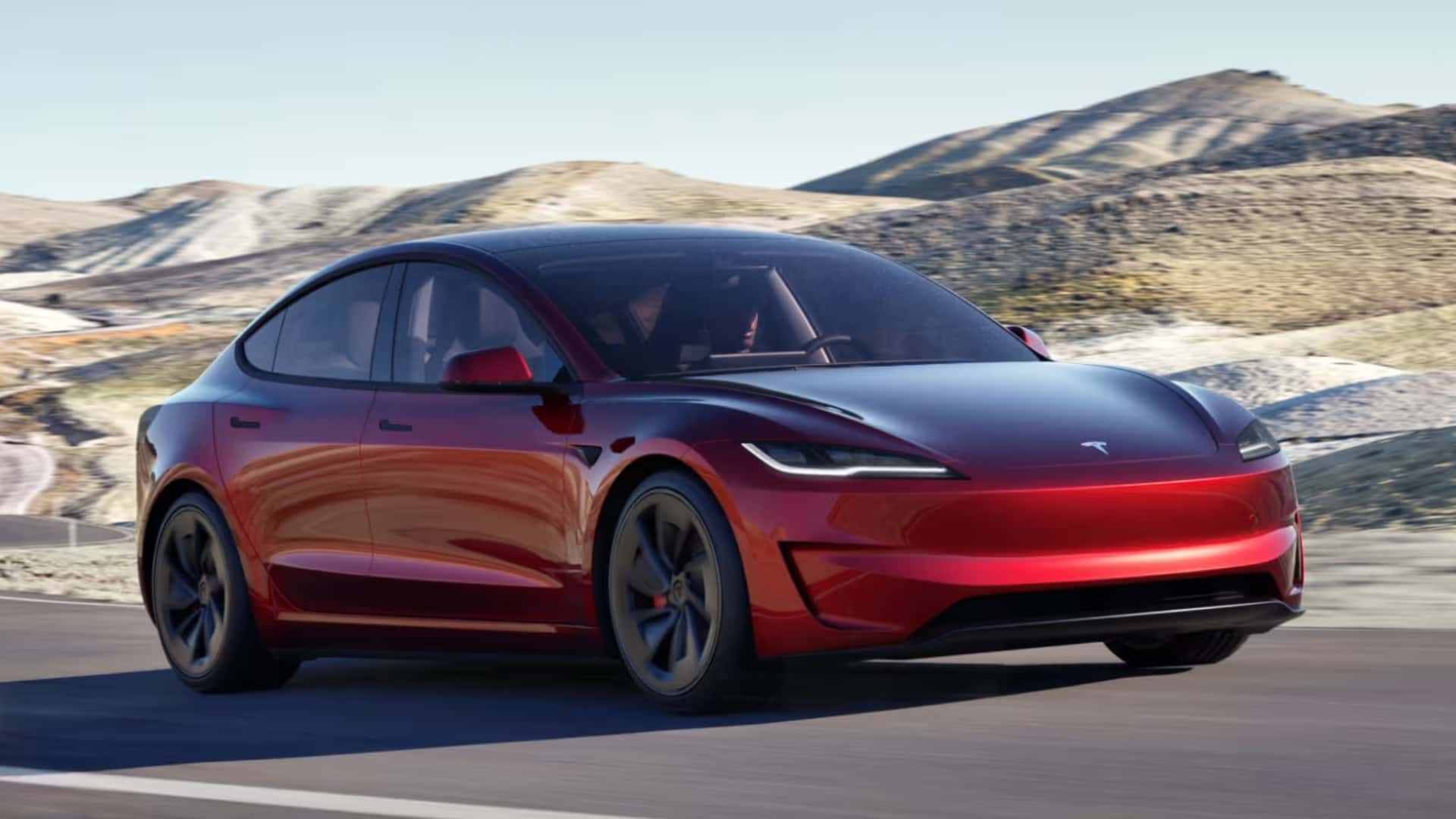
The Tesla Model 3 has long been recognisable for its minimalist lines and flowing body shapes. The model has a length of 4694 mm, a width of 1850 mm and a height of 1443 mm - the classic proportions of a D-sedan. Tesla's aerodynamics remain good, although the company does not officially specify the air resistance coefficient for the Standard Range. The overall silhouette is aimed at reducing drag and improving efficiency on the highway.
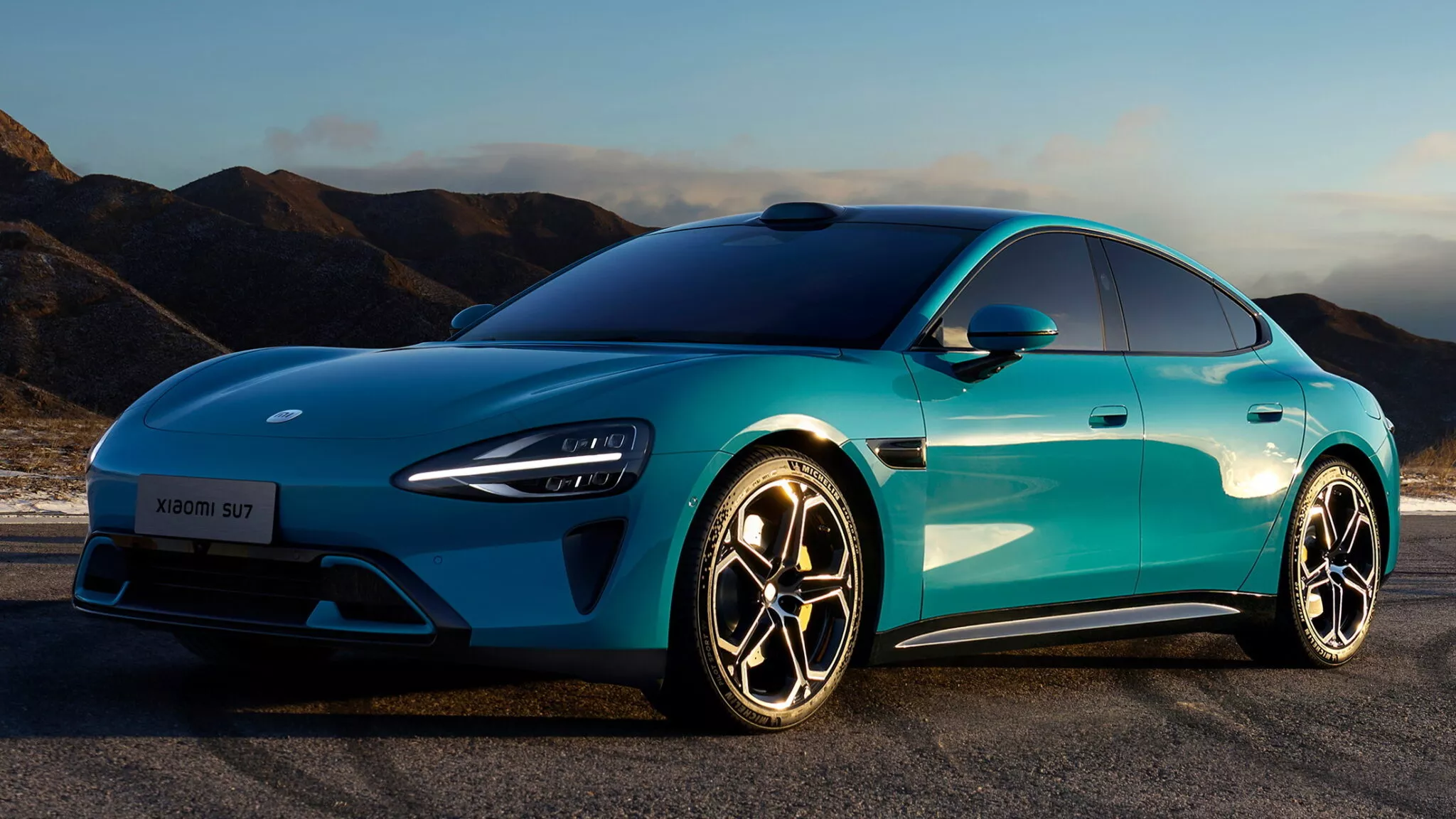
Xiaomi SU7 has gone one step further in this regard. The company's engineers spent months optimising the body and achieved an impressive drag coefficient of 0.195, which is one of the lowest among production cars. This not only improves energy consumption but also has a positive effect on stability at high speeds.
The SU7's design has been thought out to the smallest detail: an elongated roofline, an elegant duck tail on the trunk and signature LED lights that make the silhouette recognisable even in the dark. Tesla remains restrained, but it is Xiaomi that has demonstrated how to combine aesthetics and functionality without frills.
Interior and comfort
Tesla continues to follow its philosophy of "fewer buttons, more screen". The Model 3's interior is almost entirely subordinated to the 15-inch display, which controls most functions. This approach looks modern, but sometimes takes some getting used to, especially when you need to quickly change the climate or mirror settings.
Xiaomi SU7 has a different approach. The company has created a real Smart Cabin, where the interface is built around a 16.1-inch 3K display, a large 56-inch HUD and a rotating dashboard. Thanks to the Xiaomi HyperOS operating system, all elements of the car are integrated into the Human x Car x Home ecosystem. This means that the driver can control more than 1,000 smart devices directly from the car: for example, switch on the air conditioning at home or open the garage door from the screen.
The SU7's materials are also noticeably more premium. There's a choice of interior colours - from Mist Purple to Obsidian Black - and the seats have distinct lateral support. Tesla, in turn, is known for its ergonomic seats and space for five passengers, but the interior remains more utilitarian and "cool" in feel.
Dynamics and performance
The Tesla Model 3 Standard Range is equipped with a 165 kW (224 hp) electric motor with 400 Nm of torque, which allows it to accelerate to 100 km/h in 5.9 seconds. The top speed is 210 km/h. For the base version, this is a solid performance, especially given the focus on energy efficiency rather than sporting performance.
The Xiaomi SU7 is positioned as a technologically advanced, yet driving car. In the base version, the SU7 also demonstrates a quick start, but the SU7 Max version is truly impressive: 0-200 km/h in 10.67 seconds and the use of silicone carbides in all controllers and compressors to improve energy efficiency to 99.6%.
Tesla remains predictable in its driving, but Xiaomi has gone further by creating its own dynamic platform with two versions of the autopilot system - Xiaomi Pilot Pro and Xiaomi Pilot Max, built on the basis of 11 cameras and the NVIDIA DRIVE Orin processor. This ensures stable driving behaviour even in difficult conditions.
Power reserve and charging
In real-world conditions, the Tesla Model 3 Standard Range has a real-world range of around 265 km, with possible variations from 190 to 395 km depending on temperature and speed. In cold weather at -10°C, you can expect about 220 km, and in warm weather - up to 310 km.
The battery has a usable capacity of 40 kWh (nominally 50 kWh) and supports AC charging up to 11 kW (full charge in 4.5 hours) or DC fast charging up to 100 kW, where you can restore a range of about 190 km in 22 minutes. Tesla supports Autocharge, but does not have Plug & Charge, which limits the convenience at some stations.
Xiaomi SU7 makes a major breakthrough in this category. According to official data, the SU7 Max is capable of getting 510 km of range in 15 minutes of charging, while the standard version gets 350 km in the same time. This is made possible by a new battery architecture and the use of high-performance silicon carbide cells.
The Tesla Model 3 looks more modest against this background, but it is worth considering that its 2025 model is no longer sold new and is mainly aimed at the secondary market. Xiaomi, on the other hand, is introducing a completely new generation of batteries designed to meet the high-speed routes and needs of the modern urban user.
Technology and the ecosystem
Tesla has created an entire digital ecosystem centred around autopilot, mobile app and remote control. Even the basic Model 3 supports navigation functions with battery preparation for charging, over-the-air updates, and voice control. However, by 2025, this set of features will look familiar.
Xiaomi SU7 tries to make the car part of a larger ecosystem. Thanks to HyperOS, the user gets full synchronisation with Xiaomi, Redmi, POCO phones, tablets and smart devices at home. For example, you can connect your tablet as an additional screen, control the lighting in your apartment, or see the status of your security camera right from the car's dashboard.
Support for CarPlay, iPad mounting and external expansion connectors makes SU7 more versatile. It's not just an electric car - it's the mobile part of a smart home. Tesla remains an autonomous system, while Xiaomi demonstrates the future of integrated mobility.
Safety and comfort
Tesla Model 3 has one of the highest safety ratings in Europe:
- 96% adult passenger protection,
- 86% child protection,
- 94% efficiency of driver assistance systems.
This is the result of comprehensive security systems and software controls that Tesla has been improving over the years.
Xiaomi SU7 is no less protective. The car is built on a steel-aluminium armoured structure that forms a strong "protective cocoon". The standard equipment includes 16 active safety systems that monitor the environment 360°. This includes automatic braking, blind spot monitoring and lane assist.
Xiaomi also pays attention to passive safety: optimised deformation zones, improved body geometry and a stronger battery base. Although there are no official Euro NCAP ratings for the SU7 yet, the company's technology set and approach allow us to expect high results.
In terms of comfort, Tesla provides a basic set of features, such as climate control, heated seats and silent operation. The Xiaomi SU7 adds more premium options: active noise cancellation, multi-zone climate, seat position adjustment and adaptive interior lighting.
Driving experience and travel convenience
For long distances, the Tesla Model 3 received a score of 1.5 out of 5 in the EV Database's "one-stop range" indicator. This means that it can cover approximately 312 km with a single 15-minute charge, which is good for city and short intercity trips, but not ideal for travel.
The Xiaomi SU7 Max version benefits from a huge battery life and fast charging. Even with intensive power usage, SU7 can cover significantly longer distances without long pauses. Combined with the battery pre-conditioning system, this allows you to plan your routes more efficiently.
Environmental friendliness and production
Tesla has been focusing on sustainability and energy efficiency for many years. But Xiaomi has taken this issue to the production level: the Xiaomi EV plant has a solar roof generating 16.4 million kWh per year, 99% emissions treatment and complete elimination of heavy metals in wastewater.
This demonstrates not only the desire to create an environmentally friendly car, but also the commitment to a full cycle of sustainable production. This makes the SU7 one of the most responsible electric vehicles in its class in 2025.

Charge without worries: how ECOFACTOR makes electric mobility convenient in Ukraine
When it comes to choosing between Xiaomi SU7 and Tesla Model 3, a practical question inevitably arises: where and how to charge an electric car? After all, the convenience of charging often determines how comfortable your life with an electric car will be. This is where ECOFACTOR comes into play, a company that creates a full range of solutions for charging infrastructure in Ukraine.
We don't just sell chargers - we build a system that works. ECOFACTOR designs, manufactures and services charging stations of our own production. Our network already includes more than 3,500 charging ports and is constantly growing. We create both AC stations with a capacity of up to 44 kW and DC solutions of up to 420 kW, which are ideal for fast charging a Tesla Model 3 or recharging electric cars such as Xiaomi SU7.
To make it even more convenient for drivers, we have developed ECOFACTOR mobile application for iOS and Android. It allows you to find the nearest station, view its status in real time, pay for charging, and create a route through map of charging stations. This is convenient for both daily commuting in the city and for long journeys when you need to quickly find a charging point on the way.
For home, office or business, our online shop ECOFACTOR, where you can order everything you need:
- chargers of different types and capacities;
- cables and adapters for all models of electric vehicles;
- wall holders, adapters, mounting kits.
That is, if you have recently purchased a Tesla Model 3 or are planning to install a station for Xiaomi SU7 near your home, we have a ready-made solution.
For business, we have created the ECOFACTOR operator platform, which allows you to manage your charging network: monitor energy consumption, set tariffs, issue reports and serve users without wasting time. It is a convenient tool for shopping malls, restaurants, office centres or residential complex developers who want to develop their own infrastructure.
Another advantage is the support of roaming with international partners. This means that Ukrainian drivers travelling abroad can charge their cars at partner stations in Europe. We want electric car drivers in Ukraine to have the same opportunities as drivers in countries with developed infrastructure.
To summarise: regardless of whether you choose a Tesla Model 3 or Xiaomi SU7, we at ECOFACTOR provide everything you need for comfortable charging: from the station to the app, from the cable to the service. We are creating a modern electric vehicle ecosystem developed in Ukraine - taking into account our realities, routes and the needs of each driver.
Conclusion: who will win in 2025
The Tesla Model 3 Standard Range is a classic of electric mobility. It continues to be the benchmark for efficiency and safety, but it is no longer technologically surprising. Its 265 km of real-world driving range, basic interior and limited charging capabilities look modest compared to new competitors.
The Xiaomi SU7 in 2025 demonstrates what a new generation of electric cars can look like:
- fast charging up to 510 km in 15 minutes,
- integration with the smart home ecosystem,
- powerful hardware base with NVIDIA DRIVE Orin,
- ultra-low air resistance coefficient,
- high level of comfort and thoughtful interior.
If Tesla once opened the door to the world of electric mobility, Xiaomi SU7 makes this world truly smart, adaptive and closer to everyday life.
Tip for buyers:
- If you're looking for a proven electric car with a solid history, the Tesla Model 3 is still a great choice for the city.
- If you're looking for a modern, technologically advanced and ecosystem-based car, the Xiaomi SU7 looks like a logical step forward - not just transport, but part of your digital life.
Frequently asked questions
1. How does Xiaomi SU7 achieve such a fast charge in 15 minutes?
The Xiaomi SU7 uses high-voltage architecture and silicon carbide cells to reduce energy loss and increase efficiency to 99.6%. Thanks to this, even the base SU7 version can replenish the range by 350 km in 15 minutes, and the Max version - by 510 km. The system also features active battery preheating for consistent charging speeds at different temperatures.
2. Will the Tesla Model 3 Standard Range be relevant in 2025?
Although the model is no longer sold as new, it is still popular on the secondary market. The Tesla Model 3 Standard Range retains good dynamics, high safety, and stable energy efficiency, making it relevant for those looking for a proven electric sedan without unnecessary technological solutions.
3. Which model has the best range in real life?
The Tesla Model 3 Standard Range has a realistic range of about 265 km, depending on the weather and driving style. The Xiaomi SU7 has a much longer range - up to 800 km for the top-of-the-line version in favourable conditions. Even in its basic configuration, the SU7 outperforms the Tesla thanks to its new batteries and low air resistance.
4. How does Xiaomi SU7 differ from Tesla in the smart ecosystem?
Tesla offers its own autopilot system, mobile app, and over-the-air updates. Xiaomi SU7 is integrated into the full Human x Car x Home ecosystem - it syncs with Xiaomi phones, tablets and smart devices, allowing you to control your home from the car's dashboard. This creates a single digital space where the car becomes part of a smart life.
5. How do you compare the safety level of Xiaomi SU7 and Tesla Model 3?
Tesla has an official Euro NCAP rating of 5 stars and high protection rates for adults (96%) and children (86%). Xiaomi SU7 has not yet been certified in Europe, but it is already equipped with 16 active safety systems, 360-degree monitoring and a steel-aluminium body frame. Its performance is expected to be at the level of Tesla or higher.
6. Which model is better suited for long-distance travel?
The Tesla Model 3 has a one-stop range of about 312 km, which limits its use on long routes without additional stops. Xiaomi SU7, thanks to its powerful batteries and fast charging, can cover more than 500 km with short breaks, making it more convenient for long journeys.


