




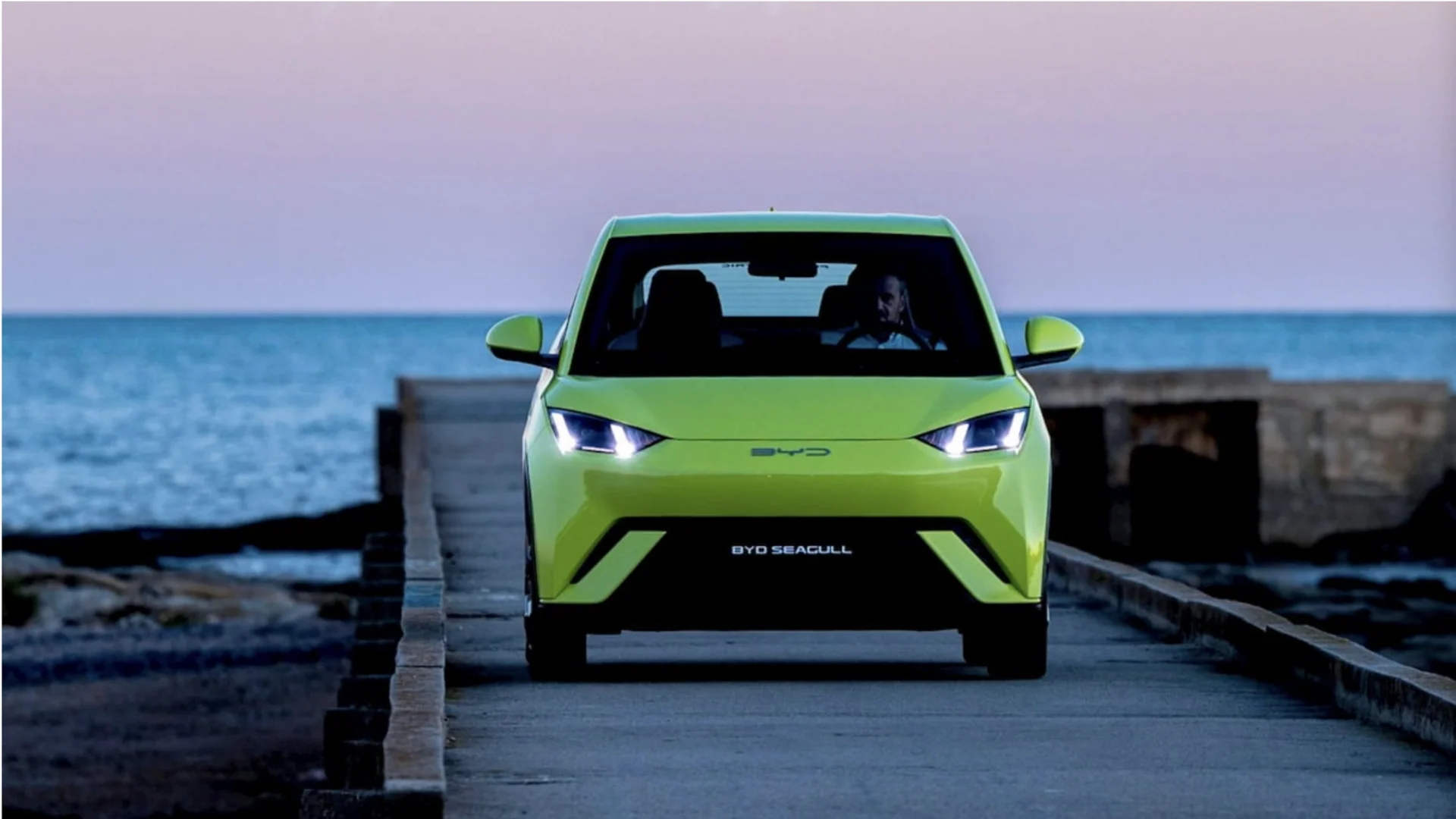
BYD Seagull vs Tesla Model 3: which is better for the city?
At first glance, this comparison looks a little strange: a small city hatchback from China versus a global electric hit from America. The Tesla Model 3 has long been a symbol of the modern electric car, while the BYD Seagull is just preparing to conquer new markets, including Europe. And yet, they are both electric cars, both may appear in Ukraine, and both are interesting in their own way. One is [...]
Content:
At first glance, this comparison looks a little strange: a small city hatchback from China versus a global electric hit from America. The Tesla Model 3 has long been a symbol of the modern electric car, while the BYD Seagull is just preparing to conquer new markets, including Europe. And yet, they are both electric cars, both may appear in Ukraine, and both are interesting in their own way.
One is for those who are looking for minimum costs and maximum practicality. The second is for those who do not want to compromise on comfort, speed or range. And here is a simple question: which of these is really more profitable for an ordinary driver, say, from Kyiv or Lviv? Let's find out.
We remind you that you can purchase home and commercial charging stations in our online storeand also use the public charging stations ECOFACTORcharging points located throughout Ukraine. For convenient access to charging infrastructure, we recommend using our mobile applicationwhich is available on iOS and Android.
Dimensions and convenience in the city
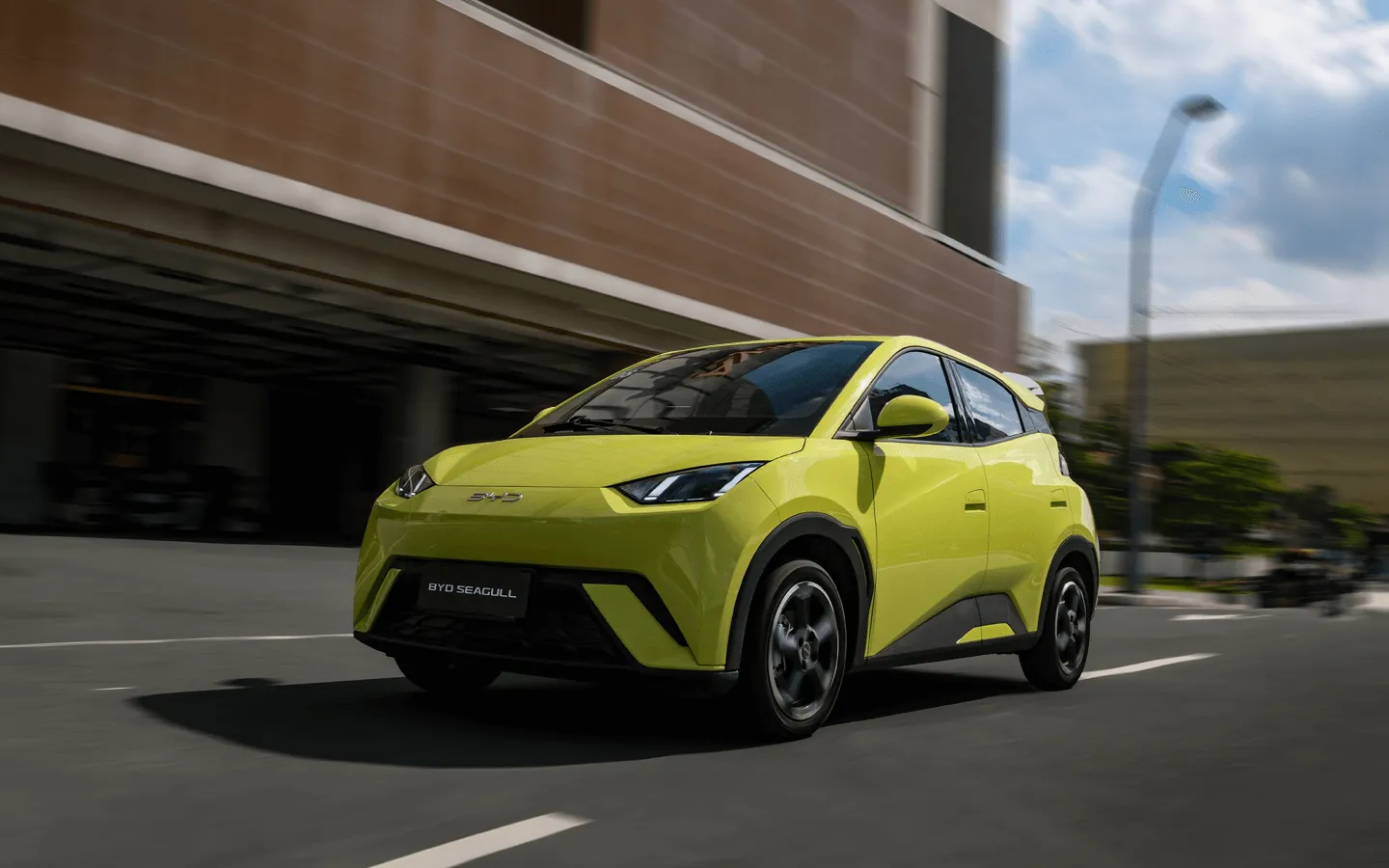
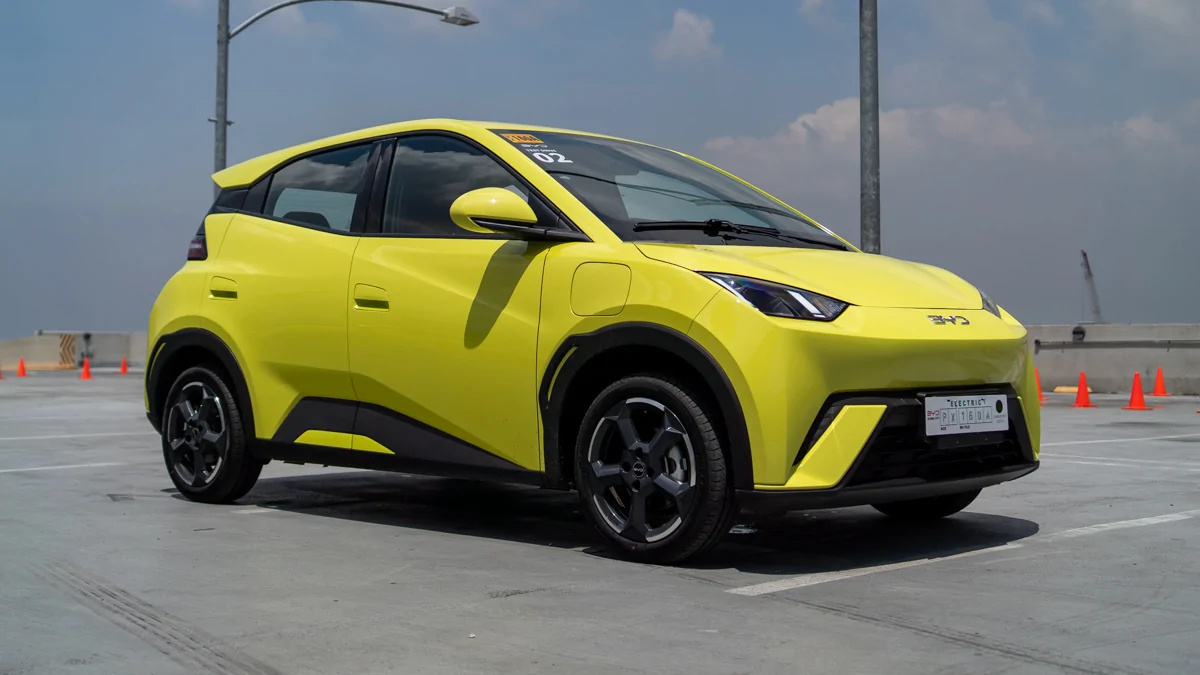
BYD Seagull is a classic city hatchback. It is just under 3.8 metres long and weighs about 1200 kg. The car is literally made for narrow streets, yard races and daily short-distance trips. If you live in a high-rise building and are looking for a parking space every day, this is the case when size does matter.
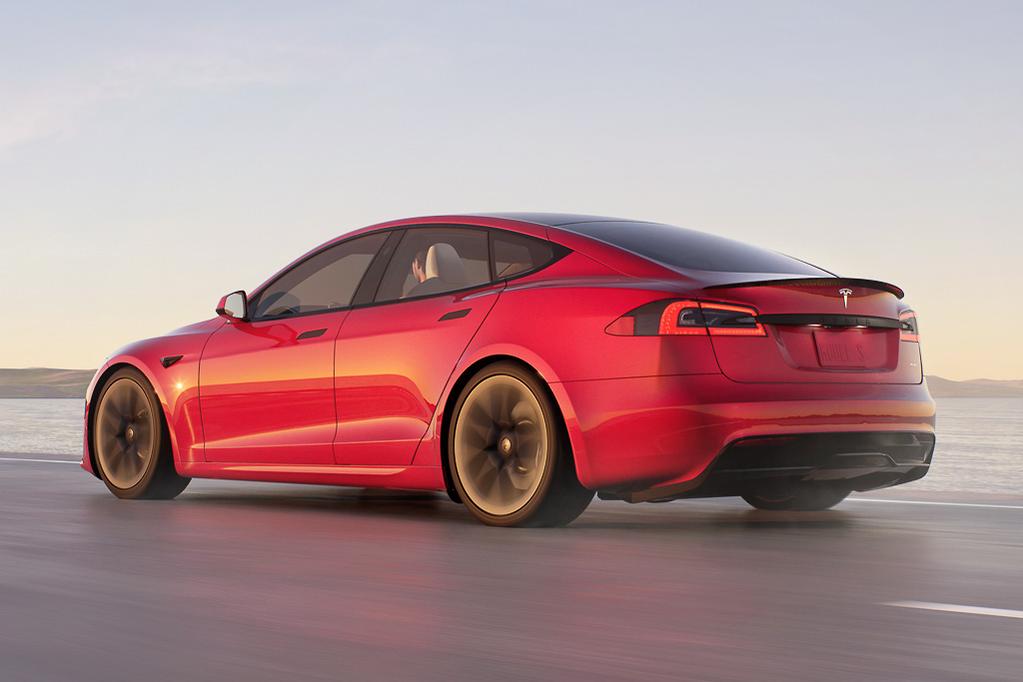
The Tesla Model 3, with its 4.7 metres in length and almost 2 metres in width, is more suitable for the suburbs, the highway or people with a private garage. In the city, it is no longer a "compact" but almost a business class.
- Seagull - very easy to park, fits almost everywhere
- Model 3 - more space for passengers and luggage, but you can feel the size
Engines, acceleration and driving feel
The Seagull has only 55 kW of power (just under 75 hp) and accelerates to hundreds in 14.9 seconds. Yes, it's slow, but it's more than enough for the city. Even with a smooth start, you're still faster than most petrol budget cars.
Tesla Model 3, even in the Long Range version, does 0-100 km/h in 4.6 seconds. And the Performance version - in 2.8 seconds. It's already a match for sports cars. But is it necessary in a traffic jam on Okruzhnaya?
- Seagull - enough for the city, without a hint of sportiness
- Model 3 - a powerful electric car with impressive acceleration
Power reserve: not just numbers
On paper, everything looks very simple: BYD Seagull offers two battery options. The basic 30.08 kWh battery promises up to 305 km of range, and the advanced 38.88 kWh Blade Battery promises up to 405 km. But we have to be honest: these figures are the Chinese CLTC cycle, and it is always a little more optimistic than European or American calculations. In real life, if you drive quietly around the city in summer, you can expect 220-300 km. And this, frankly, is more than enough for daily commuting.
Tesla Model 3 in the Long Range version plays in a completely different league. Its battery is almost twice as large - 79.7 kWh - and according to official EPA cycle measurements, it has a range of up to 580 km. In real-life highway driving at 120 km/h, this is a stable 500 km, which allows you to drive from Kyiv to Lviv without a single stop for charging.
That is, the question here is not who "wins" because we are comparing different classes. If you need to drive around the city and not bother with daily charging, Seagull will do the trick. And if you often go out of town or don't like to calculate mileage "on the line" - Tesla, of course, has no options.
Charging: different approaches
Here, too, the difference is quite dramatic. The BYD Seagull is charged with a maximum of 40 kW of power. It sounds modest, but with such a small battery, it doesn't look critical. In half an hour, you can safely add up to 60-70% of charge, and if you can put the car on charge overnight, you won't have to think about it at all. It's more than comfortable for the city.
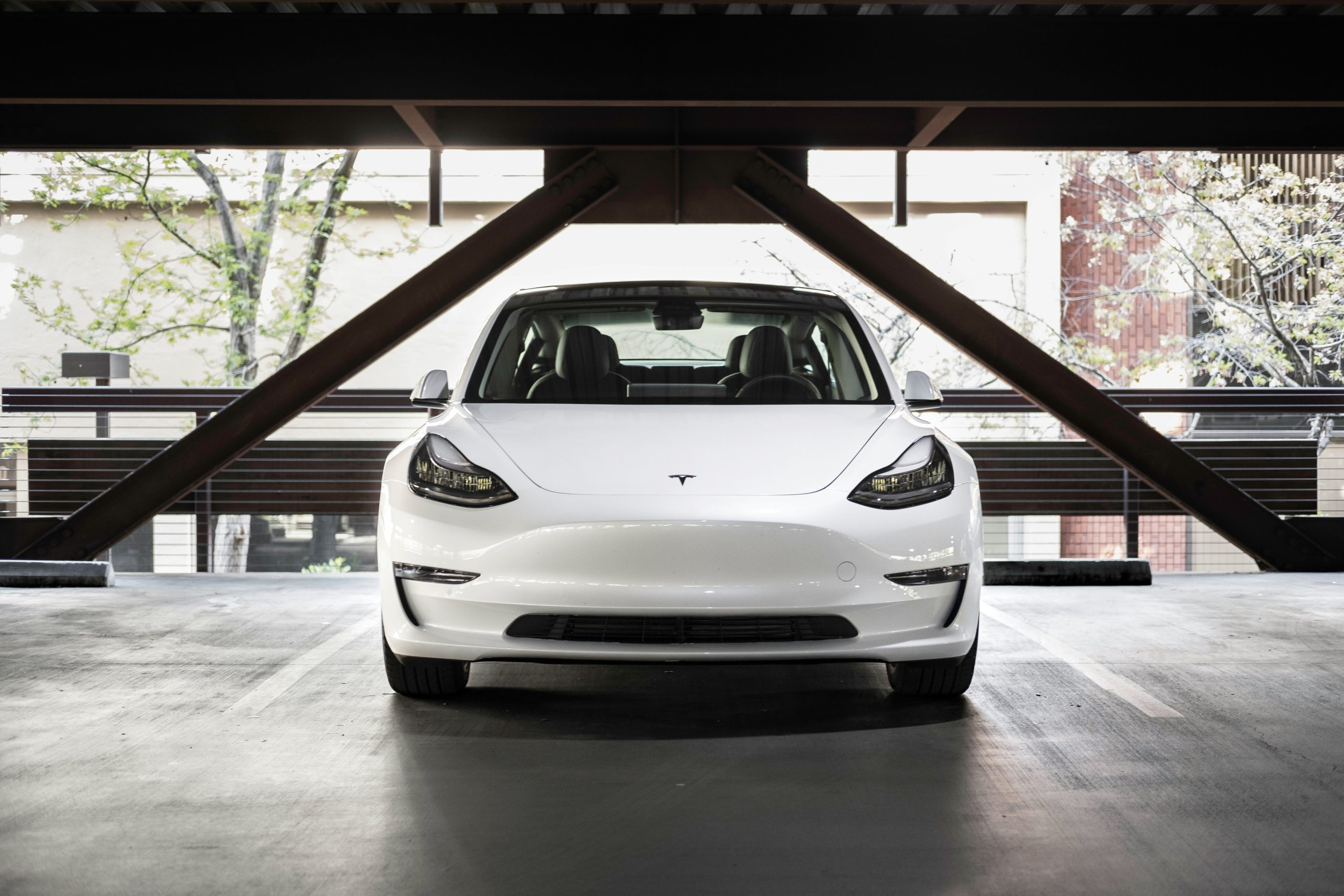
The Tesla Model 3 charges at a completely different pace. It supports up to 250 kW on the Supercharger, which is a real fast food for the battery. In 15-20 minutes, you can "fill up" 300 km of mileage, and this is very convenient when travelling. But there is a caveat here: in Ukraine, Tesla's charging network is still almost undeveloped, and there are still queues or speed limits with universal CCS chargers.
This is an interesting situation: The Seagull charges more slowly, but it doesn't require anything extraordinary. The Tesla charges at lightning speed, but only if you are lucky enough to find a suitable station. In the city, it's a draw. On a long journey, the Tesla has the advantage, but with a note: if you are not in the outback.

How we at ECOFACTOR help to charge both BYD Seagull and Tesla Model 3 in Ukraine
At ECOFACTOR, we are dedicated to making charging electric vehicles in Ukraine convenient, understandable and really affordable. Whether you drive a Tesla Model 3 or a more compact BYD Seagull, our infrastructure covers both situations. For Tesla, high charging power is important - that's why we offer DC stations up to 420 kW with CCS support. For the Seagull, which doesn't need ultra-high power, an AC station of up to 44 kW is sufficient - we also have plenty of these, and they are ideal for everyday use in the city or at home.
We offer:
- More than 3500 charging ports across the country: Our network covers key cities, highways and large car parks.
- A handy app for iOS and Android: You can use it to find the nearest charging station on the mapcheck its status and power, route to the charging point and set filters by connector type.
- Online shop with accessories: You can buy from us cables and adapters for different types of cars, RFID cards, as well as holders, adapters and chargers for home or travel.
We design and manufacture all devices We manufacture our own charging stations in Ukraine, so we can always guarantee compatibility and technical support. If you are not just a user, but want to develop a charging infrastructure, we also provide solutions for businesses: charging stations for offices, hotels, shopping malls and residential complexes, with full support and the ability to manage the network through our SaaS platform.
So whether you need to slowly charge your Seagull in the yard or quickly add 300 km to your Tesla before a trip, you can do it all through ECOFACTOR. Simply open the map of charging stations in our app, select a point and go.
Equipment and interior: simplicity versus hi-tech
The interior of the BYD Seagull is an example of how you can fit almost everything you need in a budget car. There's a large 10.1-inch screen that can be rotated, a basic DiPilot 100 autopilot, six airbags, and even a power driver's seat. Yes, the plastic is hard, no "premium" tactile sensations, but everything is in its place, nothing creaks, and you don't feel like you've been "cut off". I'm especially pleased that a car of this price category has USB-A, USB-C, and even the classic 12V - it's thoughtful.
Tesla Model 3 is a completely different philosophy. There are almost no physical buttons, everything is controlled via a central tablet. And while it looks futuristic on the one hand, on the other hand, it forces you to learn new things. For example, the turn signals are activated from a button on the steering wheel, not a lever. And this is not convenient at first. The materials in the cabin are nicer, the noise insulation is better, and the seat is more comfortable. But in a Tesla, you have to get used to the fact that you are essentially driving an iPad on wheels. For some, it's a thrill, for others, it's unnecessary stress.
Price and availability
The BYD Seagull in China costs from $11,000 to $14,000 depending on the configuration. If the model appears in Ukraine, even taking into account delivery, customs clearance, and dealer margins, the final price is unlikely to exceed $19,000. This makes Seagull one of the most affordable new electric vehicles on the market.
Tesla Model 3 is significantly more expensive. New cars in official deliveries cost more than $50,000. On the secondary market, you can find options from around $45,000, but these are often used cars imported from the US or Europe.
The price difference between these models is significant. The Seagull is focused on affordability and daily city driving, while the Model 3 is a full-fledged mid-range electric car with a corresponding price tag.
What kind of car is it for?
Seagull is suitable for those who:
- lives in the city
- looking for an economical option
- does not require power or high mileage
- has access to household charging
Tesla Model 3 will be chosen by those who:
- often travels long distances
- appreciates comfort and technology
- wants one car for everything
- don't mind investing more
Comparative table
| Characteristics | BYD Seagull | Tesla Model 3 |
| Length | 3.78 м | 4.72 м |
| Power | 55 kW | up to 510 hp |
| Acceleration 0-100 km/h | 14.9 с | 2.8 to 4.6 s |
| Power reserve | 220-300 km (realistically) | 500+ km (realistically) |
| Charging (max) | 40 kW | 250 kW |
| Initial price | $11 000-$14 000 | $44 000+ |
| City of production | China | USA |
| Class. | City hatchback | Compact saloon car |
| Driver assistance system | DiPilot 100 | Autopilot |
Bottom line.
Comparing the BYD Seagull and Tesla Model 3 is essentially comparing two completely different approaches to an electric vehicle. Both have their advantages. The Seagull is a practical budget hatchback, especially suitable for those who drive mostly within the city and do not want to spend a lot. It is compact, affordable and easy to use in everyday life.
The Tesla Model 3 is the opposite in every way: a long range, fast charging, high comfort and technological features. And yes, you have to pay for it - the investment is much higher. If you have the means and your lifestyle requires freedom of movement without restrictions, this is a worthwhile purchase.
So, in short: if you need the most affordable and convenient car for your daily routine, choose Seagull. If you want maximum capabilities and are ready to invest, Tesla Model 3 will justify this choice.
Frequently asked questions
Will BYD Seagull be officially sold in Ukraine?
There is no official information yet, but given the brand's popularity and interest in budget electric cars, the model's appearance on the Ukrainian market seems likely in the near future.
How much range will the Seagull have in winter?
It all depends on the battery and conditions, but in winter, you should expect 180-220 km. This is fine for trips within the city, but it's better to plan long journeys with charging in mind.
Is the Tesla Model 3 suitable for Ukrainian roads?
Yes, in terms of dynamics, chassis and comfort - absolutely. But you need to have a place to charge or know where there is a fast charging station nearby. And it's also important to take into account the ground clearance on bad roads - it's not very high.
Which model is cheaper to maintain?
Seagull. Spare parts are cheaper, there are fewer electronics, and the likelihood of a service call is lower. Tesla doesn't pose any problems either, but due to its more complex systems, repairs can be more expensive, especially out of warranty.


