




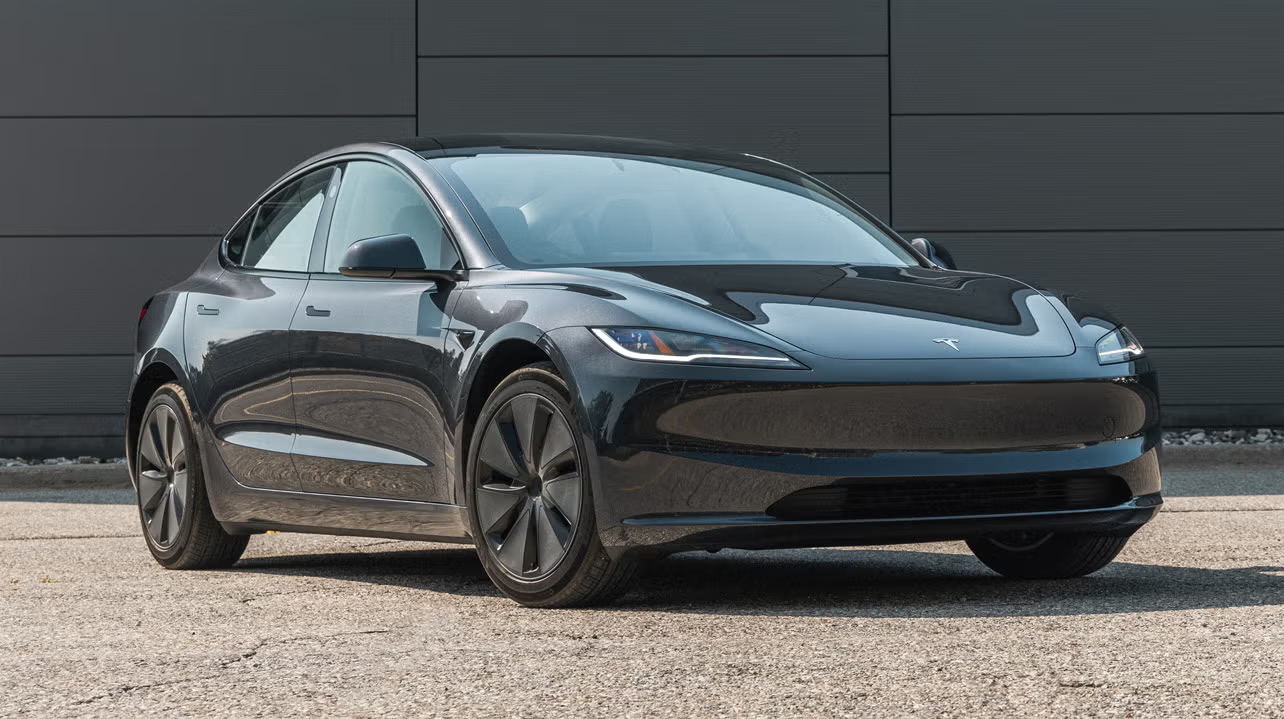
BYD Tang L vs Tesla Model 3: a detailed review
Electric vehicles are rapidly changing the automotive industry, offering innovative solutions for different driver needs. The BYD Tang L, a spacious SUV with hybrid capabilities, and the Tesla Model 3, a compact sedan with a focus on technology and efficiency, represent two different approaches to electric mobility. Based on data on design, functionality and practicality in Ukrainian conditions, this article compares the key features of the models. [...]
Content:
Electric vehicles are rapidly changing the automotive industry, offering innovative solutions for different driver needs. The BYD Tang L, a spacious SUV with hybrid capabilities, and the Tesla Model 3, a compact sedan with a focus on technology and efficiency, represent two different approaches to electric mobility. Based on data on design, functionality and practicality in Ukrainian conditions, this article compares the key features of the models. We'll look at their benefits and features to help you choose the car that best suits your needs and lifestyle.
We remind you that you can purchase home and commercial charging stations in our online storeand also use the public charging stations ECOFACTORcharging points located throughout Ukraine. For convenient access to charging infrastructure, we recommend using our mobile applicationwhich is available on iOS and Android.

BYD Tang L review
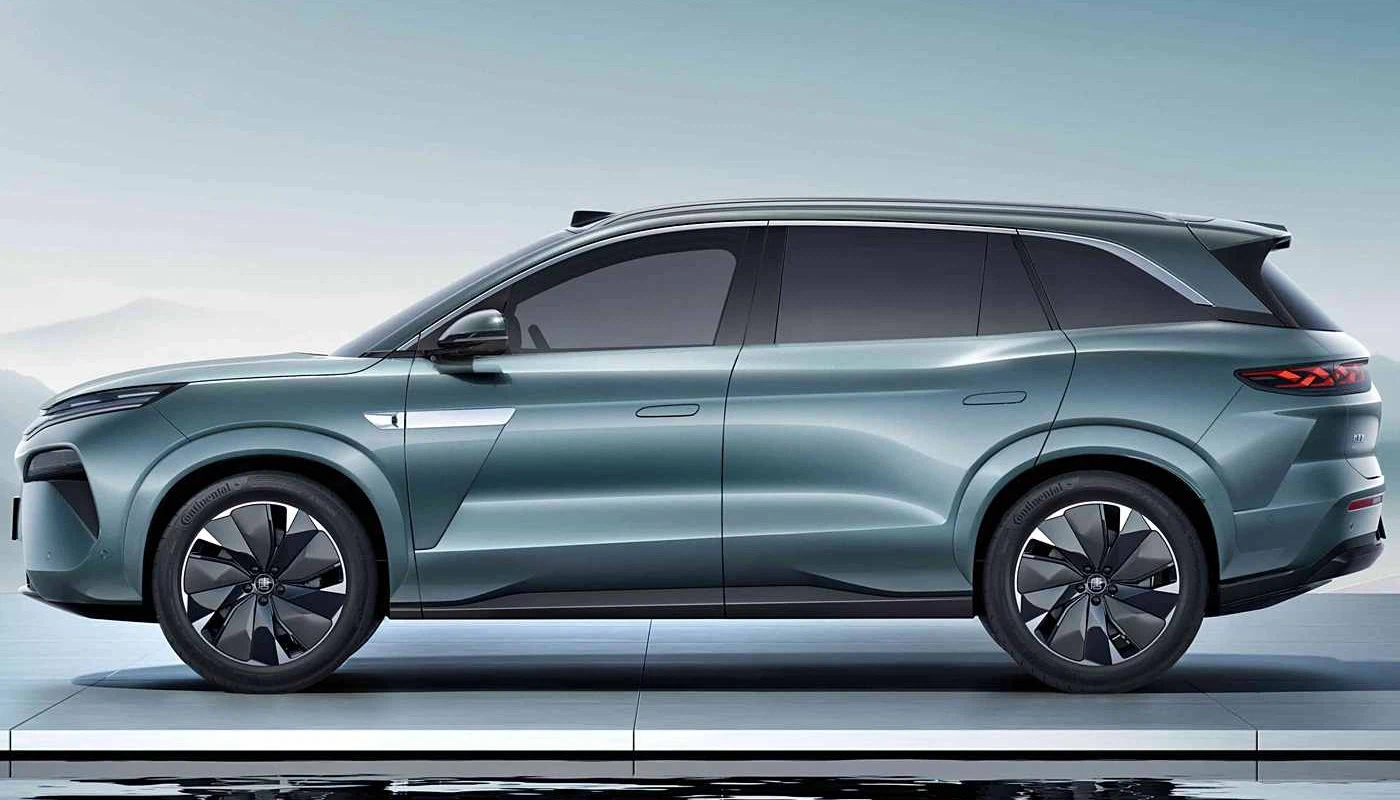
The BYD Tang L is a mid-size SUV with a length of 5040 mm, a width of 1996 mm, a height of 1760 mm and a wheelbase of 2950 mm, designed for family use with 7 seats. Its key characteristics:
- Space and capacity: The interior seats up to 7 passengers, with a luggage compartment of 675 litres (up to 1960 litres with the seats folded down), suitable for long journeys.
- Construction: Independent suspension (two-link front, multi-link rear), weighing 2882 kg, ensures stability on the road.
- Productivity: Electric versions with front-wheel drive (500 kW/670 hp) or all-wheel drive (810 kW/1086 hp), 0-100 km/h acceleration in 6.9-3.9 seconds, top speed up to 265 km/h.
- Hybrid options: DM-i/DM-p with a 1.5-litre turbo engine (154 hp) and electric motors, total power up to 536 hp, acceleration 4.3 seconds, consumption 5.6 litres/100 km.
- Battery: Blade LFP 100.5 kWh, range 600-701 km (CLTC), fast charging up to 1000 kW (400 km in 5 minutes).
- Technologies: Adaptive cruise control, 360° cameras, LiDAR for autonomous driving, rotating touchscreen display, zone climate control.
- Design: Aerodynamic body with a modern interior for driver and passenger comfort.
Tesla Model 3 review
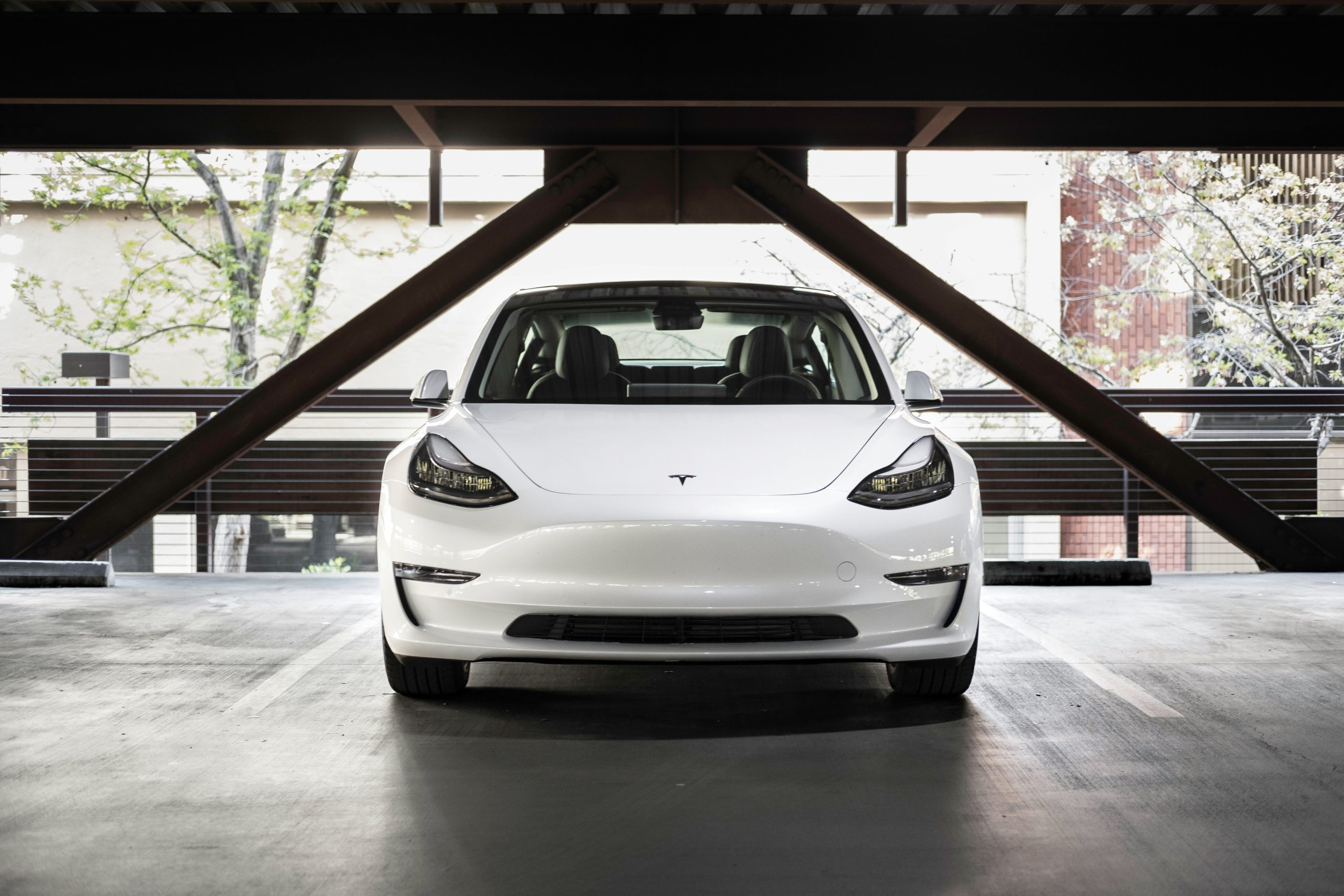
The Tesla Model 3 is a compact sedan with a length of 4724 mm, a width of 1850 mm, a height of 1440 mm and a wheelbase of 2875 mm, with a minimalist design. Key features:
- Construction: Independent suspension (front double wishbone, rear multi-link), disc brakes, weight 1822-1929 kg.
- Productivity: Versions with rear-wheel drive (up to 283 hp) or all-wheel drive (up to 510 hp), 0-100 km/h acceleration in 3.1-6.1 seconds, top speed up to 262 km/h.
- Battery: 62-79 kWh, range 513-702 km (WLTP), fast charging up to 250 kW via Supercharger.
- Interior: 15-inch touchscreen for navigation, climate control and other functions.
- Security: Airbags (front, side, curtain), stability control, environment monitoring with Autopilot.
- Practicality: Compact dimensions, 594 litres of boot space (with front compartment), ideal for urban environments.
Comparison of size and practicality
The BYD Tang L has larger dimensions: length 5040 mm, width 1996 mm, height 1760 mm and wheelbase 2950 mm, making it suitable for families. The long wheelbase provides more space in the cabin, especially for rear passengers, with seating for up to 7 people. The Tang L's 675-litre boot (up to 1960 litres with the seats folded down) allows you to carry more cargo.
As a sedan, the Tesla Model 3 is more compact: 4724 mm long, 1850 mm wide, 1440 mm high, and 2875 mm wheelbase, making it easier to park in the city. Its boot is smaller, with a volume of 594 litres, but efficiently organised with an additional 117 litres of front storage. Both models offer comfortable seating, but the Tang L has the advantage of being more versatile for larger groups due to its greater capacity.
Suspension and handling
The suspension in the Tang L is adapted for SUVs, with a focus on stability on uneven roads. It absorbs shocks better, which is useful for Ukrainian roads. The Model 3 has a sportier setup that provides precise handling at speed.
Both models use electric motors for instant acceleration, but the Tang L with all-wheel drive is better at handling slippery surfaces.
Dynamics and acceleration
The BYD Tang L in electric versions is equipped with powerful engines: the front-wheel drive version (500 kW/670 hp) provides 0-100 km/h acceleration in 6.9 seconds, while the all-wheel drive version (810 kW/1086 hp) reaches 3.9 seconds. Hybrid options (DM-i/DM-p) with a 1.5-litre turbo engine (154 hp) and electric motors have a combined output of up to 536 hp and acceleration in 4.3 seconds, with a consumption of 5.6 l/100 km in hybrid mode. The top speed reaches 265 km/h, providing a balance between power and efficiency for the highway.
The Tesla Model 3 offers fast acceleration: rear-wheel drive versions (up to 283 hp) reach 0-100 km/h in 6.1 seconds, while all-wheel drive versions (up to 510 hp) reach 3.1 seconds. The top speed is up to 262 km/h. The engines provide smooth, gearless driving with up to 660 Nm of torque. Both models feature regenerative braking, which returns energy during deceleration.
Drive and cross-country ability
The Tang L is available with front-wheel drive or all-wheel drive, making it versatile for different conditions. All-wheel drive improves cornering stability and stability in bad weather. The Model 3 also offers all-wheel drive in some versions, but as a sedan, it is less adapted to off-road conditions.
Battery and charging comparison
Both the BYD Tang L and Tesla Model 3 offer advanced battery and charging technologies, but have different approaches to efficiency and convenience.
Battery.
BYD Tang L is equipped with a 100.5 kWh Blade LFP (lithium iron phosphate) battery. This battery is resistant to temperature changes, which ensures reliability in cold conditions. The hybrid versions (DM-i/DM-p) combine an electric battery with a 1.5-litre turbo petrol engine (154 hp), which extends the overall range to 1,000 km.
The Tesla Model 3 uses 62-79 kWh lithium-ion batteries with a high energy density optimised for long distances. The batteries provide efficiency for daily commuting, especially in urban areas.
Charging
The Tang L battery supports fast charging of up to 1000 kW, allowing you to replenish 400 km of range in 5 minutes. Hybrid models add flexibility with a petrol reserve that reduces dependence on charging stations.
The Model 3 is compatible with CCS2 universal connectors and supports fast charging up to 250 kW via the Supercharger network, reaching 80% charge in 25 minutes. The 11 kW home charger takes up to 10.5 hours to fully recharge.
Power reserve
The electric versions of the Tang L offer a range of 600-701 km (according to the CLTC standard), depending on the configuration (front-wheel or all-wheel drive). Hybrid models provide 135-165 km on electric power, and the total range with petrol reserve reaches 1000 km.
The Tesla Model 3 has a range of 513-702 km (according to the WLTP standard), depending on the version (rear or all-wheel drive, 62 or 79 kWh battery). The model is effective for urban routes, but the range may decrease with aggressive driving.
Impact of conditions on the range
The actual range of both models depends on external factors such as temperature (cold weather reduces the range by 10-20%), driving style and the use of energy-intensive systems such as heating or air conditioning.

How ECOFACTOR supports charging the BYD Tang L and Tesla Model 3
At ECOFACTOR, we strive to make charging electric vehicles such as BYD Tang L and Tesla Model 3 as convenient and efficient as possible for drivers in Ukraine. Our charging stationsmade in Ukraine, are compatible with CCS2 connectors, which are ideal for these models. Thanks to the ECOFACTOR EV Charging mobile app, available on iOS and Android, you can easily find the nearest one charging station on the map, check its status and pay for the charge via Apple Pay, Google Pay or a bank card. Our online shop offers a wide range of cables and adapters, as well as chargers for home and commercial use (AC up to 44 kW and DC up to 420 kW).
We also offer:
- Chargers for home and commercial use (AC up to 44 kW and DC up to 420 kW).
- An online store with a wide range of cables and adapters for electric vehicles.
- A business platform that helps install and manage charging stations.
The advantage of our store is fast delivery throughout Ukraine and a guarantee for all products, which ensures reliability and convenience for each customer. We also provide professional advice to help you choose the best equipment for your electric vehicle. Visit our websiteto learn more about our products and join the e-mobility community!
Technology and innovation
The BYD Tang L is equipped with DiPilot 300 with adaptive cruise control to adjust speed depending on traffic, 12 360° cameras for vision, blind spot monitoring and lane keeping. LiDAR in top versions supports autonomous driving (L2), with automatic emergency braking and collision warning.
The Tesla Model 3 uses Autopilot with adaptive cruise control, 8 cameras, lane keeping and automatic braking. Full Self-Driving (Supervised) adds motorway navigation and parking (L2), with OTA updates to expand capabilities.
Prices and availability in Ukraine
The BYD Tang L is imported from China through dealers, with prices depending on the version: electric from USD 33,450 (base RWD Premium), hybrid available from USD 31,700. Top all-wheel drive trims go up to USD 40,000, with options available on request.
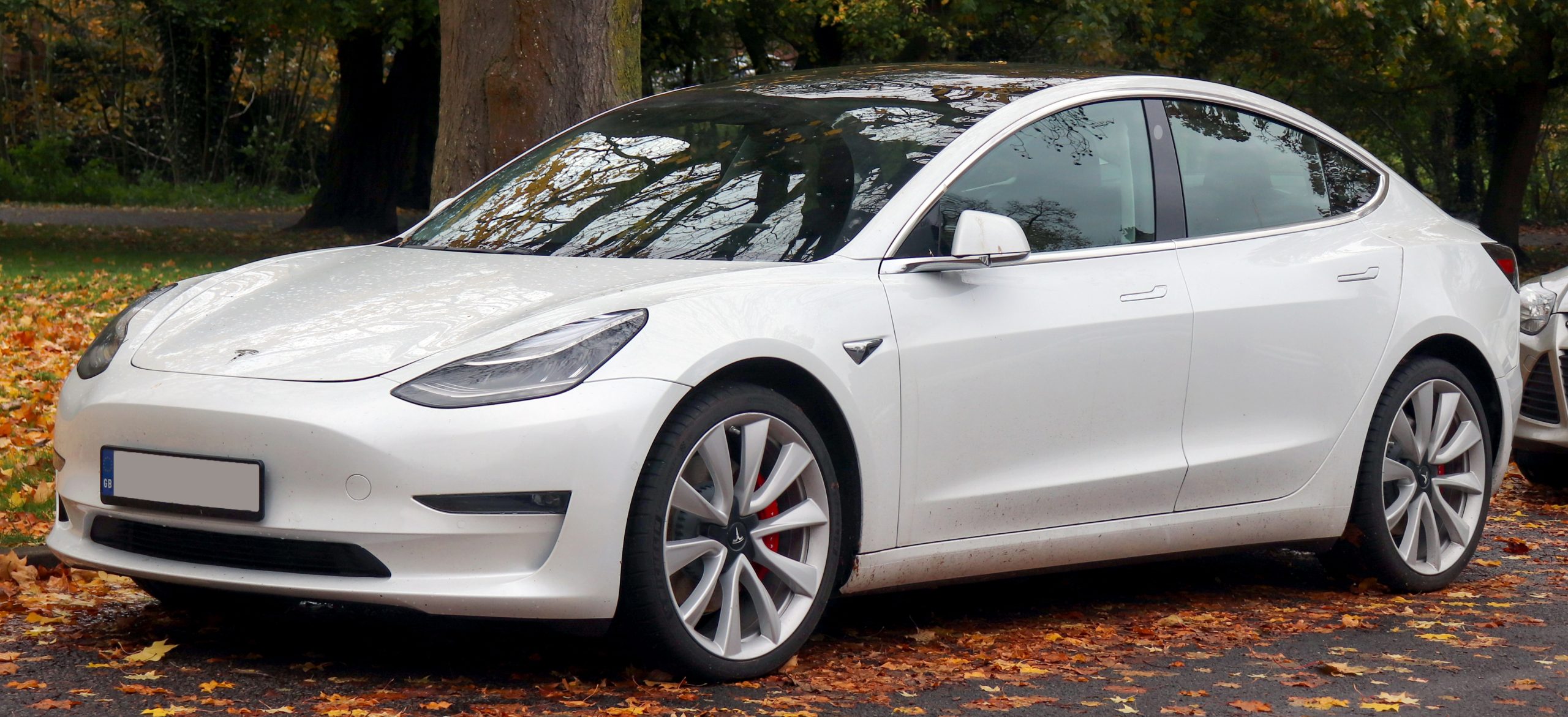
The Tesla Model 3 is available new from USD 42,490 (Long Range) and used from USD 19,000, imported from Europe or the US. Prices vary depending on equipment (up to USD 54,990 for Performance) and condition, with new 2025 models starting at USD 47,000 from dealers.
Factors influencing the price
Both models have import costs (duty 10%, VAT 20%) and taxes that increase the final cost by 20-30%. The Tang L's hybrid options reduce fuel costs, while the Model 3 offers savings through higher efficiency and a Supercharger network.
For whom each model is suitable
Each model is focused on different needs and lifestyles of drivers, making them attractive to different audiences.
BYD Tang L
The model is suitable for those who are looking for a versatile SUV for family use or long trips. Main categories of users:
- Families with children who need a spacious interior and a large trunk.
- Drivers who frequently drive on uneven roads where higher ground clearance and all-wheel drive are required.
- Users who want the flexibility of hybrid options to save on fuel in regions with limited charging infrastructure.
- Those looking for an affordable electric car with modern technology and practical design.
Tesla Model 3
The model is suitable for city drivers or those who value technology and compactness. Main categories of users:
- Residents of cities who value ease of parking and manoeuvrability in traffic.
- Fans of fast acceleration and sporty handling.
- Users who prefer purely electric vehicles with access to a fast-charging network.
- Those who appreciate minimalist interiors and regular software updates.
Comparative table
| Characteristics | BYD Tang L | Tesla Model 3 |
| Length | 5040 mm | 4724 mm |
| Power | 810 kW (1086 hp) | 461 kW (627 hp) |
| Acceleration 0-100 km/h | 3.9 - 4.3 с | 3.1 с |
| Power reserve | 701 km (CLTC) | 584 km (WLTP) |
| Charging (max) | 1000 kW | 250 kW |
| Initial price | 31 700 USD | 42 490 USD |
| City of production | Shenzhen, China | Shanghai, China |
| Class. | Mid-size SUV (D/SUV) | Compact saloon (D) |
| Driver assistance system | DiPilot 300 (God's Eye C) with LiDAR | Autopilot with Full Self-Driving |
Conclusion.
BYD Tang L and Tesla Model 3 open up different horizons of electric mobility, meeting the unique needs of drivers. The BYD Tang L, a spacious SUV designed for family adventures and challenging roads in Ukraine, offers hybrid flexibility, a spacious interior and adaptive suspension for comfort in all conditions. The Tesla Model 3, a compact sedan, impresses with its speed, minimalist design and advanced technologies such as Autopilot and Supercharger network, fitting perfectly into the rhythm of city life. Your choice depends on whether you prefer the versatility and space of the Tang L or the technological agility of the Model 3. Both models offer savings compared to traditional cars, reducing fuel and maintenance costs, and meet the latest environmental standards.
Frequently asked questions
What is the main difference between BYD Tang L and Tesla Model 3?
Tang L is an SUV with hybrid versions, Model 3 is a sedan with a focus on electric.
Are these models suitable for Ukrainian roads?
Tang L is better for bumps as an SUV, Model 3 is better for the city.
How are these cars charged in Ukraine?
Both use CCS2, with universal stations and home devices.
Are there any hybrid options in the Tesla Model 3?
No, the Model 3 is purely electric, the Tang L has hybrid versions.
What security systems are in these models?
Both have cruise control, cameras and zone monitoring.
How does the weather affect the range?
The cold reduces the range, but the batteries are adapted.
Where to buy these models in Ukraine?
Through dealers or imports, with service in major cities.


