




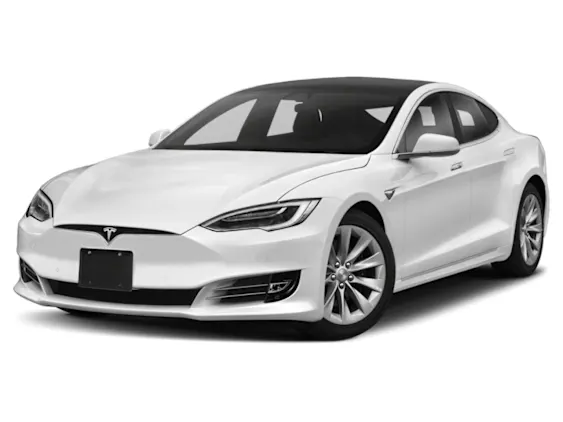
How to choose a mobile charging station for Tesla Model S 2019: a detailed guide for owners
A mobile charging station is an important element for owners of electric cars, including the 2019 Tesla Model S. It allows you to charge your car anywhere you have access to the power grid. This is very important for those who often travel outside the city or travel long distances where access to stationary charging stations may be limited. This [...]
Content:
A mobile charging station is an important element for owners of electric cars, including the 2019 Tesla Model S. It allows you to charge your car anywhere you have access to the electrical grid. This is very important for those who often travel outside the city or travel long distances where access to stationary charging stations may be limited. This charging station allows you to charge your car in a car park, in the country or even on holiday.
We remind you that you can purchase home and commercial charging stations in our online storeand also use the public charging stations ECOFACTORcharging points located throughout Ukraine. For convenient access to charging infrastructure, we recommend using our mobile applicationwhich is available on iOS and Android.
Choosing the right mobile charging station can be tricky, as there are different models on the market with different features. In this article, we'll take a look at the main parameters to consider when choosing a mobile charging station for your 2019 Tesla Model S. It is important not only to choose the right charging power, but also to consider details such as the type of connector, cable length, protection against moisture and dust, and safety of use.
What is a mobile charging station for Tesla Model S 2019 and why do you need it?
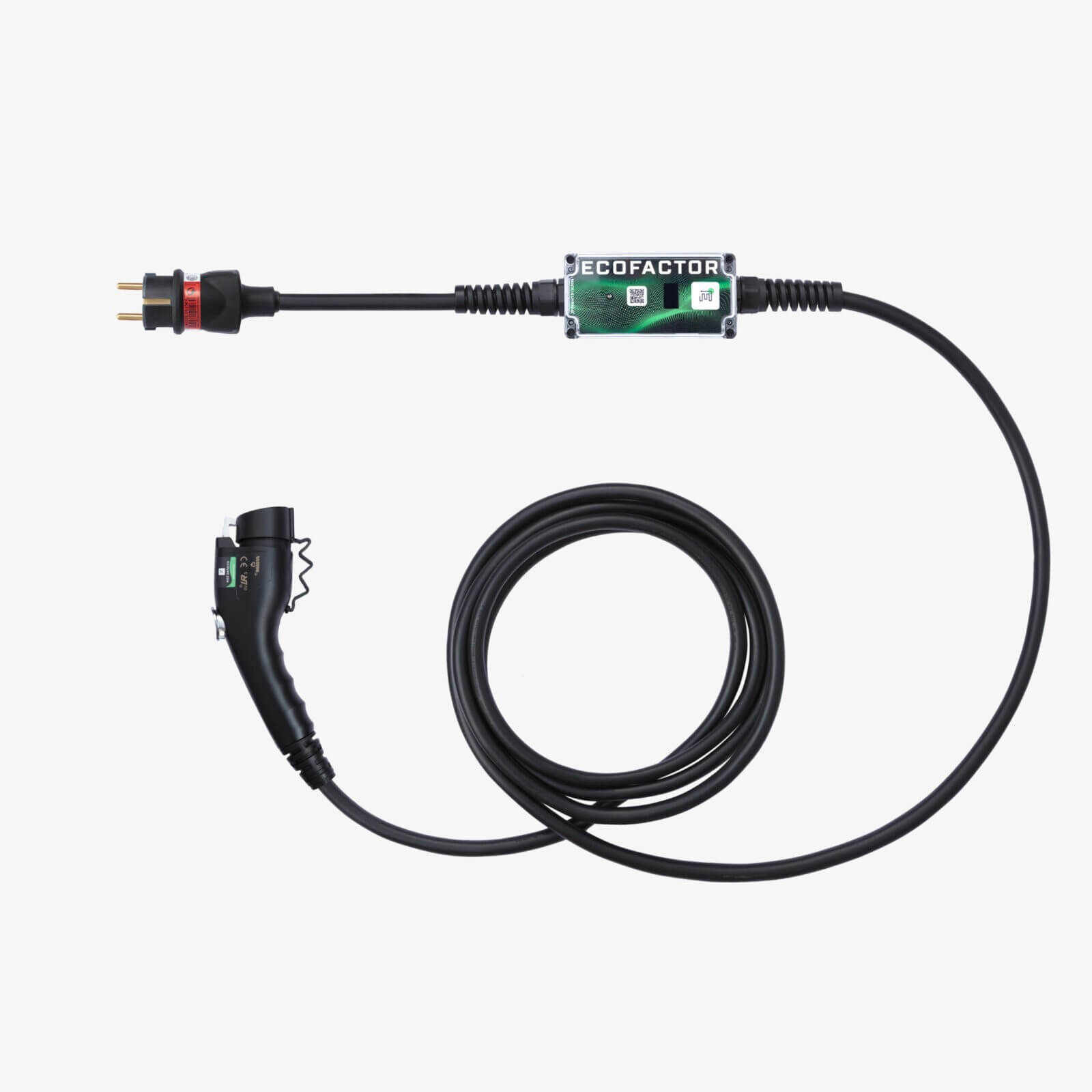
A mobile charging station is a device that allows you to charge an electric vehicle using a standard socket. In the case of the Tesla Model S 2019, it makes it possible to charge the car in any conditions, even where there is no stationary charging infrastructure. Charging through the mobile station can be carried out from a 220 V household outlet or a three-phase 380 V connection for faster charging.
The mobile charging station for Tesla Model S 2019 has several advantages. The first is its versatility. You can use it to charge your car anywhere there is an outlet. The second advantage is mobility. You can take such a station with you when travelling without worrying about the availability of charging points in your leisure or workplace. And, of course, this is a significant saving on the installation of stationary charging stations at home or at work, since a mobile station does not need to be installed.
Mobile charging stations for Tesla support different types of sockets, and they provide fast and efficient charging without requiring a large investment.
Main parameters of the mobile charging station for Tesla Model X
When choosing a mobile charging station for the 2019 Tesla Model S, there are several key specifications to consider that directly affect charging efficiency, usability, and safety. Here are the main parameters you should pay attention to:
Charging power
The 2019 Tesla Model S supports up to 11 kW of AC charging power. This is an important parameter because the charging speed of the car directly depends on the power of the charging station. If you want to charge your car faster, you should choose a station with a capacity of at least 7.2 kW or 11 kW. If you do not care about the charging speed, you can choose a mobile station with a power of 3.6 kW, which will be sufficient for night charging. Charging time is:
- 3.6 kW: 25-28 hours up to 100%.
- 7.2 kW: 13-14 hours up to 100%, 8-10 hours up to 80%.
- 11 kW: 9-10 hours up to 100%, 6-7 hours up to 80%.
If you have access to a three-phase network, the 11 kW station will provide you with maximum charging speed, which will significantly reduce the time required to fully charge the battery.
Connector type
The 2019 Tesla Model S in Europe uses a Type 2 connector, which is the standard for most electric vehicles on the continent. In the United States, Tesla uses a Tesla proprietary connector. It is important to choose a charging station that has the right connector for your vehicle. Most mobile charging stations have Type 2 connectors, which makes them compatible with the 2019 Tesla Model S. If you are travelling in the US, you will need an adapter for the Tesla proprietary connector (not NACS as in later models).
Cable length
Depending on where you plan to charge your car, the length of the cable can make a big difference. The standard cable length for mobile charging stations is 6-8 metres, which is suitable for most situations. If your car is often parked at a considerable distance from a power outlet, it is better to choose a station with a longer cable (10-12 metres). This will give you more freedom to position your car while charging.
However, it's important to remember that longer cables may be less convenient to store, so you should evaluate them according to your needs.
Degree of protection
Protection against moisture and dust is critical if you plan to use your mobile charging station outdoors or in areas with high humidity. Charging stations have different levels of protection against dust and water, which are indicated by the IP code (e.g. IP54, IP65). For outdoor use, you should choose a station with an IP rating of at least IP65, which means protection against dust and water splashes. If you plan to use the station in very humid environments, you should choose a model with an IP67 rating, which provides full protection against water.
Temperature range
For colder climates, it is important to choose a charging station that can operate at low temperatures. Most mobile charging stations have an operating temperature range of -25°C to +50°C, which allows them to be used in most regions. If you plan to use the station in winter, make sure to check whether it supports low temperature operation.
Advantages and disadvantages of mobile charging stations for Tesla Model X
Like any product, mobile charging stations have both advantages and disadvantages. It is important to evaluate all of these points before making a purchase to make the right choice.
Advantages:
- Mobility: Mobile charging stations can be taken with you when travelling, allowing you to charge your car even in conditions where there is no access to conventional charging stations.
- Ease of use: These stations are lightweight, compact and easy to operate. You can plug them into any standard wall socket.
- Savings on installation: Mobile charging stations are much cheaper than stationary models that require installation and approval.
- Security: Most modern mobile charging stations have built-in protection systems against overheating, short circuits and other dangerous situations.
Disadvantages:
- Slow charging: Mobile charging stations do not charge as fast as supercharging stations or fast charging points.
- Dependence on the power grid: Problems with the power grid, such as unstable voltage, can reduce charging efficiency.
- Less convenience in the long run: If you charge your car every day, a stationary charger may be a more convenient and efficient option.

ECOFACTOR: Practical technologies for convenient and safe charging of electric vehicles
У ECOFACTOR We develop modern solutions for charging electric vehicles, focusing on user comfort, performance stability and cost optimisation. Our approach is to make the charging process simple, energy-efficient and safe for any environment - at home, in the office or on the road. We offer charging stationsThe company's products are easily integrated into the user's infrastructure and comply with European standards.
We also produce cables and adaptersthat ensure a stable connection to the power grid even in difficult conditions. For Tesla owners, particularly Model S owners, our products allow them to precisely manage the charging process - analyse energy consumption, adjust charging schedules and control power through mobile application, available at iOS і Android.
Our technology makes it possible:
- reduce electricity consumption;
- minimise losses during charging;
- control costs thanks to timers;
- use the infrastructure without harming the environment.
Decision from ECOFACTOR - is a choice in favour of economy, functionality and responsible energy consumption. To find the nearest charging point, use the map of charging stationswhich is regularly updated.
How to choose the best mobile charger for Tesla Model X?
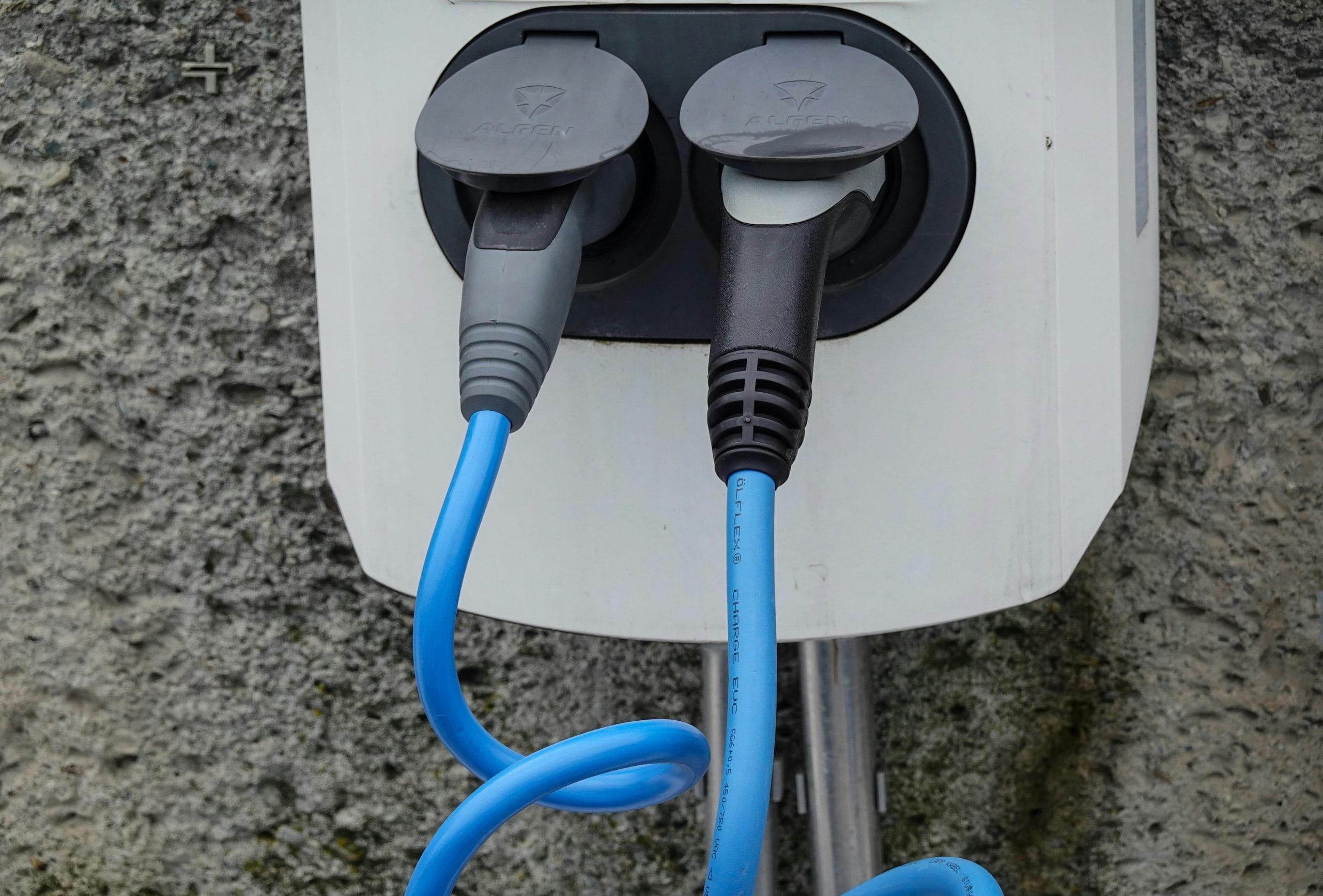
Choosing a mobile charging station for the 2019 Tesla Model S is an important step, as it is a device that ensures that your car is charged in different conditions - at home, at work, when travelling. To ensure optimal charging speed and safety, you need to pay attention to several important parameters that can change the efficiency and comfort of use.
1. Charging power
The power of the charging station is one of the most important parameters that affects the charging speed. The 2019 Tesla Model S supports up to 11 kW for AC charging. Here's how you can choose a station depending on your needs:
- 3.6 kW: is a basic power level that is suitable for those who want to charge their car slowly and without rushing. It is the best choice for overnight charging at home when the car is parked for several hours or overnight.
- 7.2 kW: is a medium power level that will provide faster charging. If you want your car to charge within a few hours (6 to 8 hours), this power level will be a good compromise between speed and affordable price.
- 11 kW: is the maximum AC power level supported by the 2019 Tesla Model S. This is the best choice for those who want to charge their car as quickly as possible. Choosing such a station usually requires a three-phase connection, which will allow you to fully charge the car's battery in 4-5 hours. This is ideal for those who use their car frequently or have limited time to charge.
The power you choose will also depend on what type of electrical network is available at your home or the location where you plan to charge your car. If your network only supports a single-phase connection, a 7.2 kW station will be the best choice. If you have access to a three-phase network, then choosing an 11 kW model will allow you to charge your car much faster.
2. Connector type and compatibility
For the 2019 Tesla Model S, it is important to choose a charging station that is compatible with the Type 2 connector for Europe. This is the standard connector used in most European countries for charging electric vehicles with alternating current. Therefore, most mobile charging stations will be compatible with your car if they have a Type 2 connector.
If you plan to travel to the United States or other countries that use a different type of connector, you may need an adapter or a charging station with a Tesla proprietary connector, which is the standard for charging Tesla vehicles in the United States. Also, some charging stations support the J1772 connector, which is the standard for charging electric vehicles with AC power in the US and other countries. Therefore, it is important to check whether the station supports the right type of connector for your car or country before purchasing.
It is also important to note that some mobile charging stations may come with additional adapters that allow you to connect different types of sockets, which adds flexibility during use.
3. Cable length
Cable length is another important factor when choosing a mobile charging station. The standard cable length of a charging station is between 6 and 8 metres, which is optimal for most situations. However, if you have special requirements or often park your car far from a power outlet, you may want to choose a model with a longer cable.
For example, stations with a cable length of up to 10 metres make it easier to connect your car in a garage or car park where an outlet is not quite close by. On the other hand, long cables can be less convenient for storage, so the choice depends on the conditions in which you will use the charging station.
It is also important to pay attention to the material and quality of the cable itself. The cables should be flexible and insulated so that they do not get damaged during regular use.
4. Protection against water and dust
Mobile charging stations that are used outdoors must have an appropriate level of protection against moisture and dust. Compared to stationary models, mobile stations can be more vulnerable to weather conditions. That's why it's important to pay attention to the IP code, which indicates the degree of protection against water and dust.
For outdoor use, charging stations with a protection level of at least IP65 are best suited. This means that the station will be protected from dust and water splashes. If you plan to charge your car in heavy rain or outdoors during frequent precipitation, choose charging stations with IP67, which provides full protection against water.
5. Temperature range
Mobile charging stations have a limited temperature range in which they can operate. Most modern models support operation at temperatures between -25°C and +50°C, making them suitable for most climates.
However, if you live in a region with very cold winters, such as the Nordic countries, make sure that the station you choose is rated for temperatures below -20°C so that it can operate effectively in severe freezing conditions.
Recommendations for the safe use of a mobile charger for Tesla Model S 2021
Safety is one of the most important aspects when using a mobile charging station. While mobile charging stations are convenient and practical, they need to be used carefully and with care to avoid damage to both the device and your vehicle. Following simple rules can significantly reduce the risk of unforeseen situations.
Connection and connector
Before connecting the charging station to a power outlet, make sure that the outlet is properly grounded. Connecting to an ungrounded outlet may cause a short circuit, overheating, or even fire. Check the condition of the outlet for mechanical damage or corrosion. If you find any problems with the outlet, it is best not to use it until the defects are corrected.
Before connecting the charging station to the vehicle, carefully check the connector. Take your time to ensure that the cable is connected correctly and firmly. Damage to the cable or connector can lead to charging problems or even a short circuit.
Using the station in different conditions
Do not charge the vehicle in heavy rain or in conditions where water can get onto the charging station. If you are using the station outdoors, make sure it has a sufficient level of protection against water and dust (minimum IP65). This will avoid problems with moisture getting inside the device, which can lead to damage.
Avoid connecting the station to outlets that are located in areas with high humidity, such as bathrooms or places where large amounts of water may accumulate. If your charging station is certified for outdoor use, it will be protected from the weather.
Overheating and overloading
Never leave the charging station unattended for an extended period of time. If you notice that the station becomes hot during operation, switch it off and allow it to cool down. Continuously connecting the charging station to a power outlet unnecessarily can overload the network and reduce its efficiency.
Do not use the charging station with a damaged cable or connector. Damage can cause a short circuit, which can not only damage the charging station, but also damage your vehicle's battery.
How to extend the service life of a mobile charging station?
To ensure that your mobile charging station will serve you for a long time, you need to follow a few simple rules of care and proper use. Proper maintenance will help to keep your device working for many years and ensure its stable operation.
Cleaning and condition check
After each use, carefully check the condition of the cable. If the cable is damaged or has visible cracks in the insulation, replace it. Damage can lead to reduced charging efficiency or even a short circuit. You should also periodically clean the cables from dirt and dust that may become trapped during use.
You should also check the charging station itself. To do so, regularly inspect the casing for cracks or mechanical damage, especially if the station is used outdoors or in garages where humidity levels may be high.
Protection against overheating
Do not leave the charging station in the sun or in hot places where the temperature may exceed the recommended values. Overheating can cause damage to the internal components of the station, which significantly reduces its service life. If you use the mobile station in summer, try to store it in a place with sufficient ventilation. Overheating problems can be avoided by installing the station in a place without direct sunlight.
Storage
When not in use, store the charging station in a dry and cool place. If you plan to store it in a garage, make sure that the area is not too humid or warm. Storage outdoors without proper protection may cause damage to the device due to moisture or temperature changes.
You should also store the charging station in a case or packaging to protect it from mechanical damage and dust. This will also help keep the cables in good condition.
Conclusion.
The Tesla Model S 2019 Mobile Charging Station is an important accessory for every electric car owner. It allows you to charge your car in any conditions and gives you the flexibility to choose a charging location. However, for efficient and safe operation, it is necessary to choose the right station, paying attention to the power, connector type, cable length and level of protection against water and dust.
To extend the life of your charging station, it is important to follow simple maintenance practices such as regular cleaning, checking cables and monitoring for overheating. Safe use is also an important step in maintaining the performance of the device. The right choice and care will ensure a long and safe use of the mobile charging station.
Frequently asked questions (FAQ)
1. How fast can you charge a Tesla Model S 2019 using a mobile charging station?
The charging speed depends on the power of the station. A 7.2 kW station can charge a car within 13-14 hours to 100%, 8-10 hours to 80%, and an 11 kW model can charge a car within 9-10 hours to 100%, 6-7 hours to 80%.
2. Can I use the mobile charger for Tesla Model S 2019 at home and outdoors?
Yes, if the charging station has appropriate water and dust protection, it can be used outdoors. This requires a model with an IP65 rating or higher.
3. Can I charge Tesla Model S 2019 from a standard 220 V outlet?
Yes, you can, but it will take longer. For faster charging, we recommend using a charging station with a power of at least 7.2 kW.
4. How do I check if the charging station is compatible with my car?
Make sure that the charging station has a Type 2 connector for Europe or Tesla proprietary for the US, and the appropriate power for your network.
5. Can I leave the charging station plugged in for a long time?
No, you should not leave the station connected unattended to avoid overheating or overloading the network.


