





How long does a Tesla battery last per day?
Tesla is one of the leaders in the electric car market and has changed the way we think about the transport of the future. In a world where electric cars are becoming more and more popular, the question of Tesla's battery life per day is becoming important for those considering buying or already owning a Tesla. It's not just a matter of mileage on a single charge; it's about the ability to [...]
Content:
Tesla is one of the leaders in the electric car market and has changed the way we think about the transport of the future. In a world where electric cars are becoming more and more popular, the question of Tesla's battery life per day is becoming important for those considering buying or already owning a Tesla. It's not just a matter of mileage on a single charge; it's about the car's ability to handle daily commutes, long journeys and everything in between, while maintaining high efficiency and comfort.
In this article, we'll take a closer look at how long a Tesla battery can last per day, as well as the factors that affect its duration and performance.
We remind you that you can purchase home and commercial charging stations in our online storeand also use the public charging stations ECOFACTORcharging points located throughout Ukraine. For convenient access to charging infrastructure, we recommend using our mobile applicationwhich is available on iOS and Android.
Introduction to Tesla battery technology
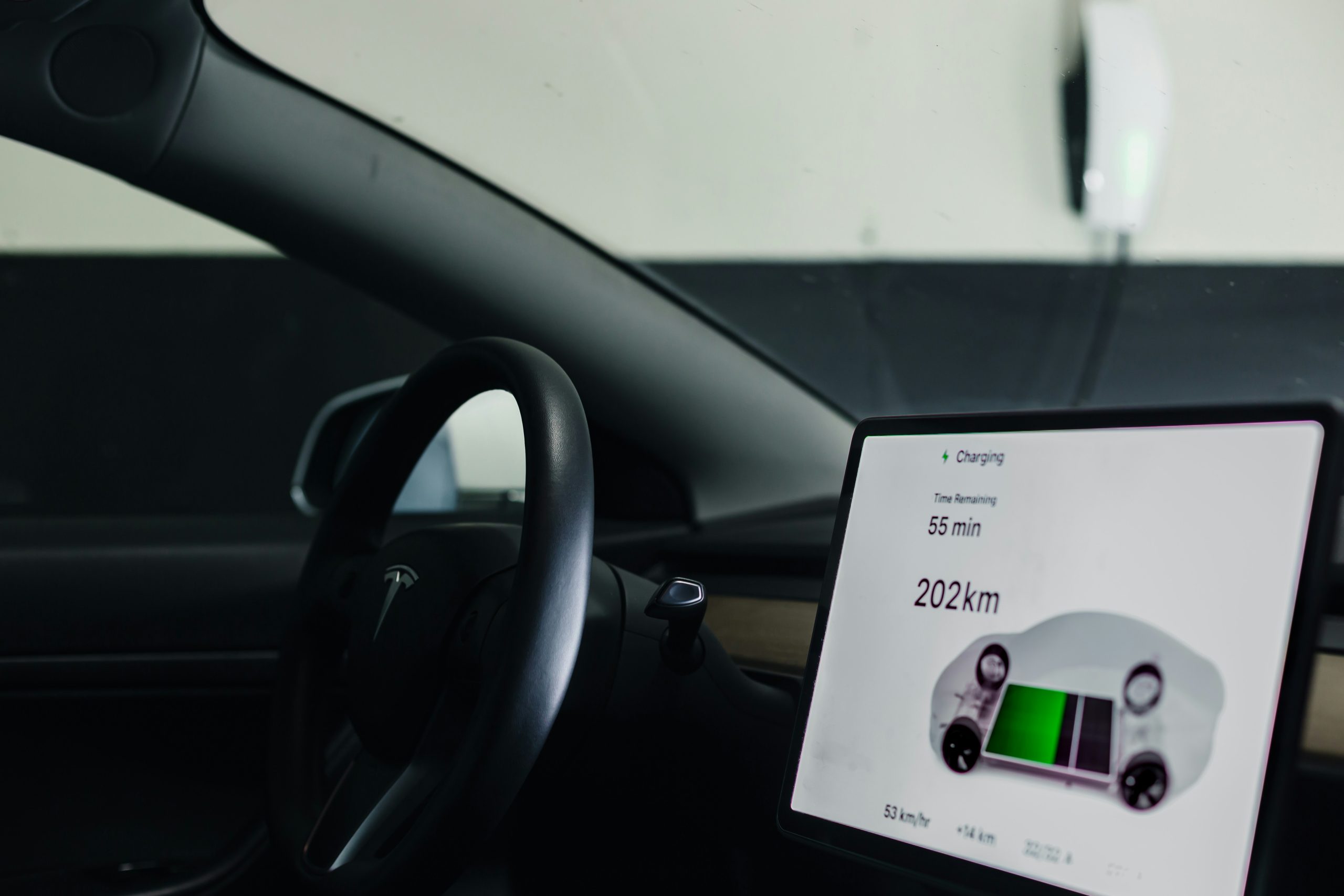
Before looking at exactly how long a Tesla battery can last, it is important to understand how the battery itself is designed. Tesla uses lithium-ion batteries that strike a balance between energy density, durability, and safety. These batteries allow you to reach long distances on a single charge thanks to an intelligent control system that monitors charging parameters, temperature, and other important aspects.
Tesla's Battery Management System optimises performance and extends battery life, ensuring consistent performance even on long journeys. As a result, every Tesla model can meet the demands of everyday use, from short city trips to long-distance journeys.
How long does a Tesla battery last?
In Ukraine, Tesla is represented by several models, each of which has its own characteristics and different batteries that affect the operating time per day. Here is a list of models and their parameters:
| Model. | Battery capacity (kWh) |
| Tesla Model S (Base model) | 100.0 |
| Tesla Model S Plaid | 100.0 |
| Tesla Model S Long Range | 100.0 |
| Tesla Model 3 Standard Range Plus | 55.0 |
| Tesla Model 3 Long Range | 78.1 |
| Tesla Model 3 Performance | 75.0 |
| Tesla Model X (Base model) | 100.0 |
| Tesla Model X Plaid | 100.0 |
| Tesla Model X Long Range | 100.0 |
| Tesla Model Y RWD | 60.0 |
| Tesla Model Y Long Range | 75.0 |
| Tesla Model Y Performance | 75.0 |
Examples of battery life depending on the model
- Tesla Model SWith a battery capacity of 100 kWh and an average consumption of 300 W/km, it can travel up to 500 km on a single charge. At an average speed of 90 km/h, this means that the battery can operate for around 5.5 hours.
- Tesla Model 3The standard version with a 55 kWh battery, with an estimated consumption of 250 W/km, provides a range of up to 300 km. At a speed of 90 km/h, the battery can operate for about 3.5 hours.
- Tesla Model XWith a similar 100 kWh battery and an average consumption of 330 W/km, it can travel about 450 km on a single charge. At an average speed of 90 km/h, the battery life is about 5 hours.
- Tesla Model YWith a 75 kWh battery and a consumption of 280 W/km, it can provide a range of up to 400 km. At a speed of 90 km/h, the battery will last about 4.5 hours.
This is only general data, as in practice the result may vary due to several factors, which we will discuss below.
7 key factors that affect the daily range of a Tesla battery
The actual battery life of a Tesla depends not only on its technical characteristics. There are several factors that can significantly change the result, and it is important to take them into account when planning trips. Here are the main factors that affect battery efficiency and range per day:
1. Driving style
Driving style has a direct impact on how much energy your car consumes. Aggressive acceleration, frequent hard braking and high speed significantly reduce battery life. Driving at a moderate pace, without sharp manoeuvres, with gentle acceleration and smooth braking, can significantly preserve the charge for a longer time. In addition, by reducing speed, you can significantly reduce aerodynamic drag and improve overall efficiency.
2. Climatic conditions
Air temperature has a major impact on battery efficiency. In cold conditions, the battery can lose some of its capacity as energy is used to heat the battery and the cabin. In winter, the car may use more energy not only to drive, but also to maintain a comfortable temperature in the cabin. On hot days, the cooling system will use energy to reduce the battery temperature, which also reduces overall efficiency. Optimal temperature conditions for the battery are between 20 and 25°C.
3. 3. terrain
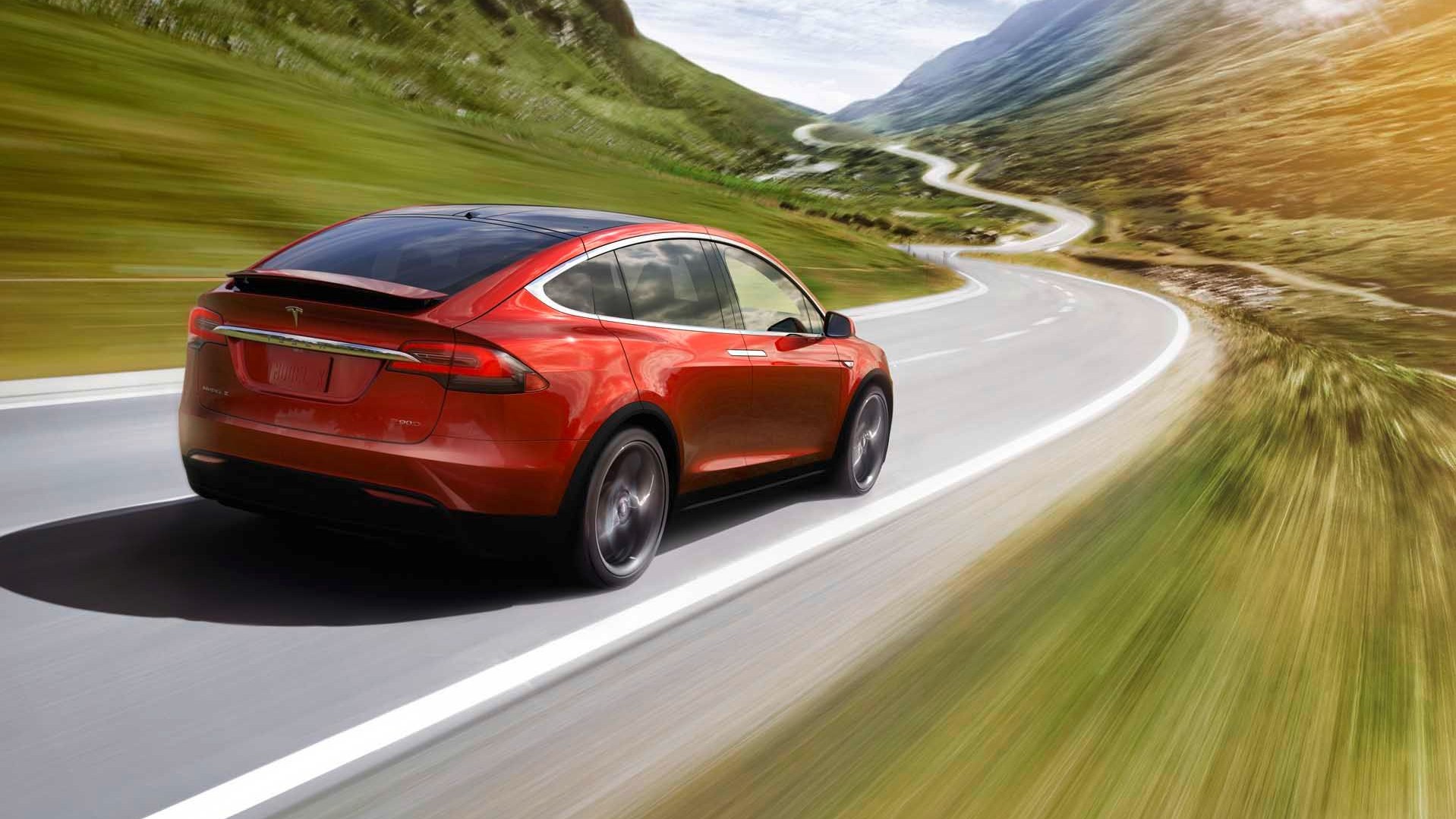
The type of terrain on the route can have a significant impact on energy consumption. Uphill gradients require significantly more energy to overcome, as the vehicle has to overcome gravitational resistance. However, on descents, thanks to the energy recovery system, some of the energy used can be returned to the battery. This helps to preserve the charge for a longer time, so route planning with terrain in mind can optimise the range per charge.
4. Cargo in the car
The more cargo (passengers and luggage) in a car, the more energy is required to move it. This means that extra cargo can reduce the range on a single charge. For example, travelling with several passengers and a lot of luggage will consume more energy than travelling alone with an empty trunk. Therefore, you should try to minimise your cargo to maximise the charge.
5. Use of internal systems
All the electrical systems in the vehicle, such as heating, cooling, multimedia, lighting and other elements, use energy from the battery. The more you use these systems, the more energy they consume. For example, during the cold season, a heating system can significantly reduce battery efficiency, as can using the air conditioner in the heat of the day. Reducing the use of these systems can help increase the distance you can travel on a single charge.
6. Tyre condition and type
Tyres are an important element that affects energy efficiency. Tyres with high rolling resistance require more energy to drive, which reduces the overall range per charge. Therefore, to maximise charge retention, it is recommended to use low-resistance tyres specially designed for electric vehicles. These tyres reduce energy consumption, allowing you to drive longer distances.
7. Traffic speed
Travelling speed has a major impact on aerodynamic drag. The higher the speed, the greater the resistance of the oncoming air, which leads to an increase in energy consumption. The optimum speed for maximum range on a single charge is between 50-60 km/h, with minimal aerodynamic drag. Driving at high speeds, especially on highways, reduces battery life, so to save energy, you should maintain moderate speeds, especially on flat roads.
How long will a Tesla battery last in total?
Understanding how long a Tesla battery lasts in a day is important for daily use, but it's equally important to consider the overall battery life. With its advanced technology, intelligent management systems and extensive warranty coverage, Tesla not only ensures that your daily travel needs are met, but also guarantees battery reliability and efficiency for years to come.
Expected service life of Tesla batteries
Tesla's lithium-ion batteries are built for durability, and typically last significantly longer than batteries in conventional cars. According to the company, Tesla batteries can retain about 80% of their capacity after 500,000 km of driving for most models. This indicates a significant lifespan that allows the battery to be used for several years without a significant reduction in performance.
Battery usage and degradation
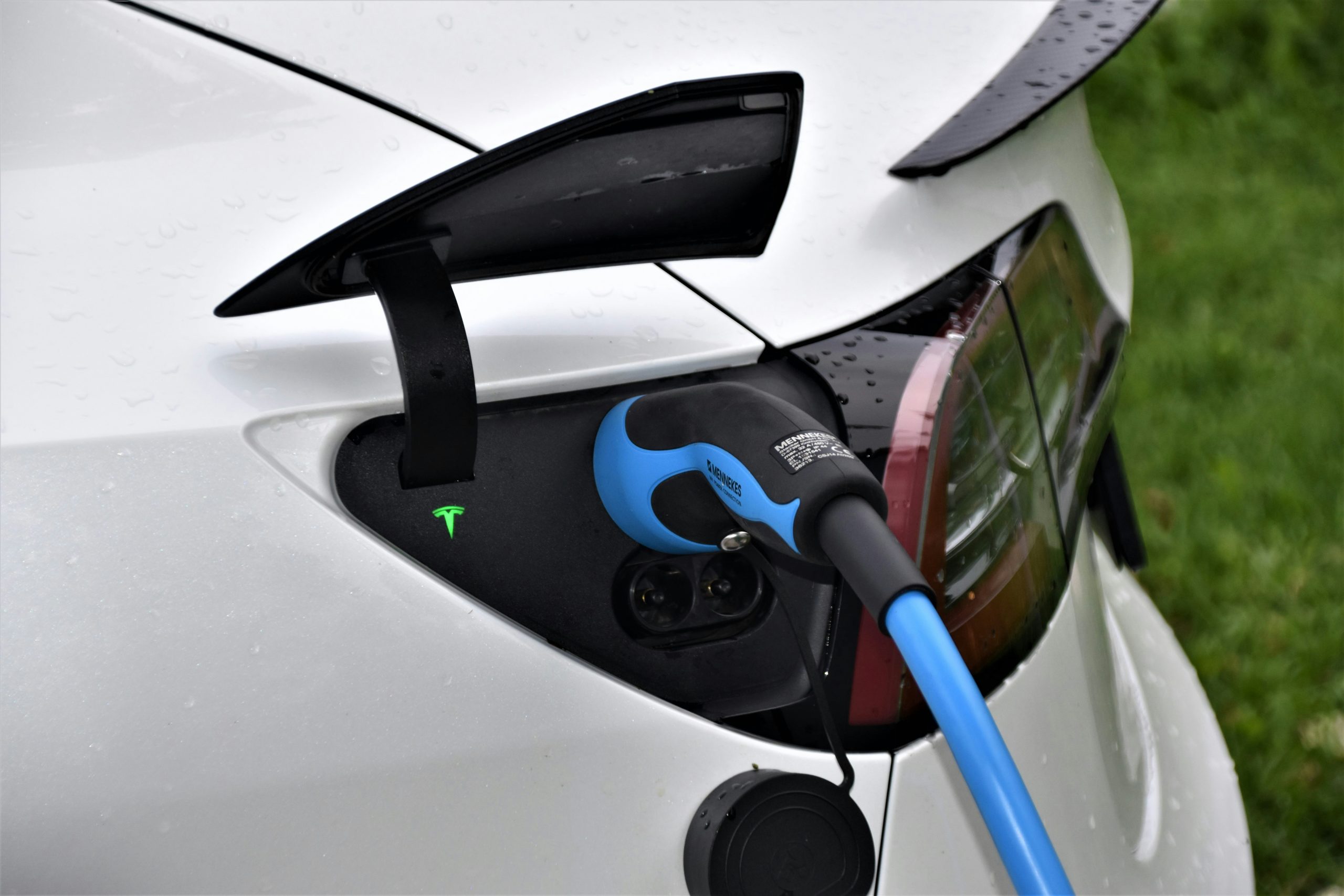
Each battery charging cycle results in a slight decrease in battery capacity, which is known as degradation. However, Tesla's battery management system is designed to minimise this effect. As a result, the impact of degradation on daily range remains negligible over time. Tesla owners can expect a gradual loss of maximum range over time, but this process is usually slow and does not significantly affect the daily operation of the vehicle.
Battery and durability guarantee
Tesla provides significant battery warranties for its models, which adds confidence in the long-term reliability of the battery. For Model S and Model X, the warranty is 8 years or unlimited mileage, whichever comes first. For Model 3 and Model Y, the warranty is 8 years or 120,000 km, which is important for owners in Ukraine. However, it is worth noting that the terms of the warranty may depend on the availability of official Tesla service centres in Ukraine and the availability of technical support. These warranties ensure that the 70% retains a minimum of 70% battery capacity during the warranty period, which guarantees stable battery performance even after several years of use.
It is recommended to contact Tesla official representatives in Ukraine or local dealers for detailed information on service and possible warranty variations in Ukraine.

Charging and durability of the Tesla battery with ECOFACTOR
Reliable and efficient charging is one of the main factors that affects the battery life of any electric vehicle, including Tesla. The right approach to charging not only allows you to increase the mileage per charge, but also extends the life of the battery by reducing its degradation. That's why high-quality charging stations, cables and accessories, as well as modern charging management technologies, are essential for every electric vehicle owner.
We are ECOFACTOR, a Ukrainian company specialising in the design, development and production of charging stations for electric vehicles. We offer solutions that meet modern standards and the needs of electric vehicle users in Ukraine and abroad. Our products include not only charging stations, but also accessories that ensure convenience and safety during charging, as well as applications for managing the charging station network.
Our products and services
- Charging stations: We offer different types of charging stationsincluding AC stations up to 44 kW and DC stations up to 420 kW. Each station is manufactured in accordance with industry standards to ensure high efficiency and safety during charging. The stations are designed for businesses that require reliable solutions for charging electric vehicles.
- Cables and adapters: For the convenience of users, we also offer a variety of cables and adaptersaccessories that help connect electric vehicles to charging stations. All of our accessories are designed to meet modern requirements and ensure safety during use.
- App for drivers: Our company also offers an application for iOS and Androidwhich allows drivers to easily find charging stations, check their status, availability and tariffs. The app also includes integration with map of charging stationswhich helps you plan your trips with convenient charging locations in mind.
- Online shop: In our online store you can find all the necessary accessories and chargers for electric vehicles. We offer a wide range of products for those looking for reliable charging solutions.
The right choice of charging stations and accessories not only affects driving comfort, but also the longevity of the electric vehicle's battery. Our charging stations, cables and accessories contribute to an efficient and safe charging process, which in turn helps to maintain optimal performance of the Tesla battery and reduces battery degradation.
If you want to know more about how to charge your electric vehicle to extend its battery life, we are ready to help you choose the best solutions for your vehicle.
Conclusion.
Understanding how long a Tesla battery lasts per day helps electric vehicle owners plan their trips more efficiently and ensure optimal energy use. Battery life depends not only on the battery capacity, but also on a variety of external factors, such as driving style, climate conditions, terrain, vehicle load, and the use of internal systems. Knowing these aspects helps to preserve the charge for a longer period of time and improve battery efficiency.
Tesla is constantly working to improve its battery technology to ensure that it remains durable and reliable for years to come. With warranties and advanced battery management techniques, Tesla owners can rest assured that their vehicle will not only run efficiently throughout the day, but will also last for many years, maintaining consistent performance.
Frequently asked questions
How long does a Tesla battery last on a single charge?
Battery life depends on the model and conditions of use, including driving style and ambient temperature. On average, a Tesla can travel between 300 and 500 km on a single charge, depending on the model and other factors.
How does temperature affect Tesla battery performance?
Air temperature affects battery efficiency. In cold weather, the battery may work less efficiently as energy is used for heating, and on hot days, the cooling system may reduce battery efficiency to prevent overheating.
Is it possible to extend the life of a Tesla battery?
For example, the battery life can be extended by following the recommendations for charging and car care, such as using optimal temperature conditions and avoiding aggressive driving.
How often do I need to charge my Tesla battery?
The charging frequency depends on the mileage and operating conditions. It is recommended that the battery be charged to 80% to maintain its longevity and to avoid overloading the battery and causing rapid degradation.
What is the warranty for Tesla batteries?
Tesla provides an 8-year warranty on the batteries of its models with a minimum retention of 70% of battery capacity during this period, which ensures stable battery performance for many years.
How does the terrain affect the battery life of a Tesla?
Terrain can have a significant impact on energy consumption. Ascents require more power, while descents allow the battery to be recharged using the energy recovery system, which helps to conserve power.


