





How many kilowatts does an electric car consume while charging?
Charging an electric vehicle is an important aspect of its operation. One of the most frequently asked questions by electric car drivers is how many kilowatts their car consumes while charging. This parameter affects the charging time, energy consumption, and even the overall efficiency of the car. We remind you that you can purchase both home and commercial charging stations in our [...]
Content:
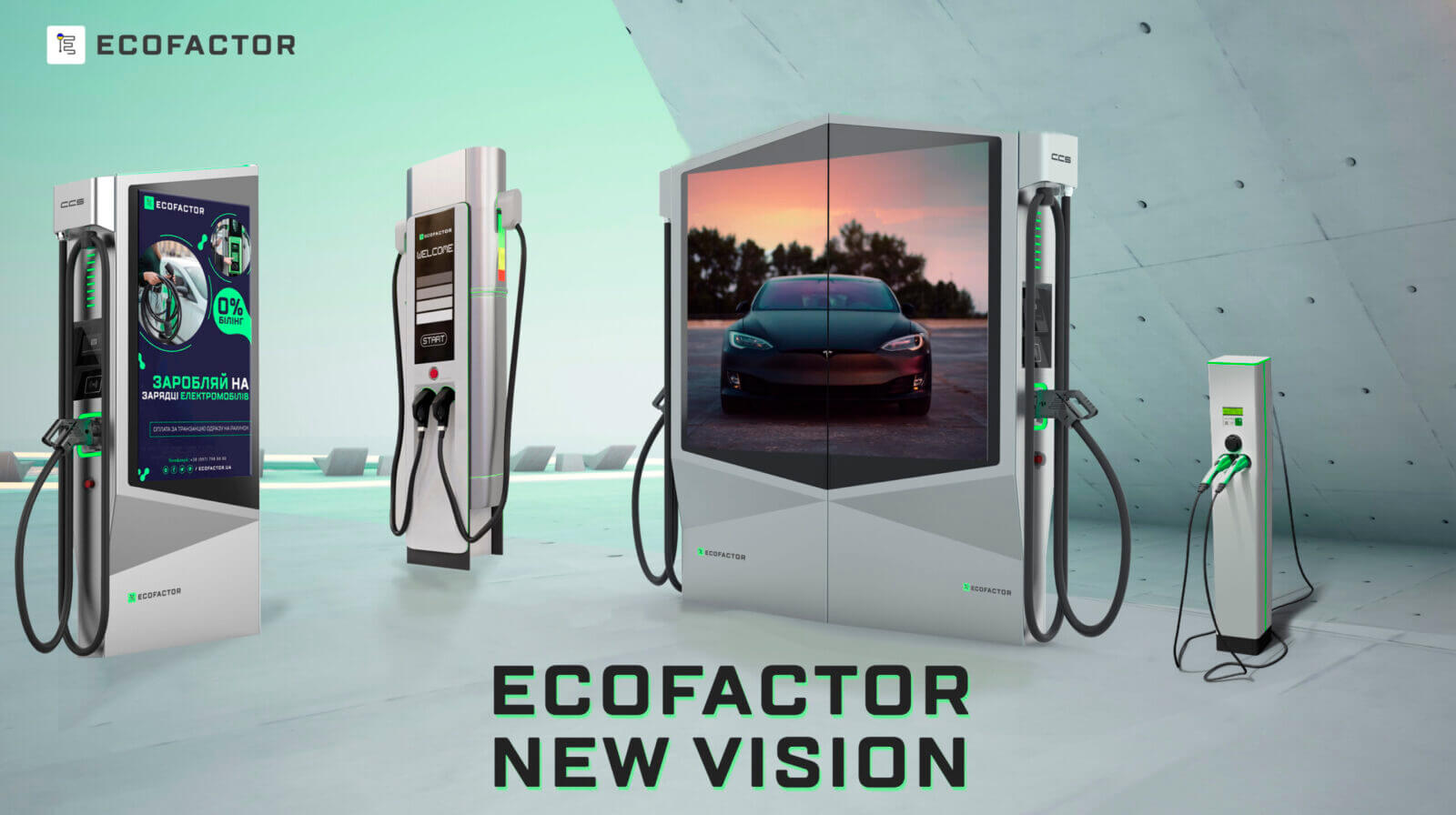
Charging an electric vehicle is an important aspect of its operation. One of the most frequently asked questions by electric car drivers is how many kilowatts their car consumes while charging. This parameter affects the charging time, energy consumption, and even the overall efficiency of the car. We remind you that you can purchase both home and commercial charging stations in our [...] charging stations in our online storeand use our public charging stations ECOFACTORlocated throughout Ukraine. For easy access to charging, you can use our applicationavailable for the following platforms iOS and Android.
How is energy consumption measured?
The energy consumption of electric vehicles is a critical parameter for evaluating the charging efficiency and use of electric vehicles. To correctly calculate the energy consumption during charging, it is important to understand the units of measurement and how they are used in real-world conditions. One of the main indicators used to measure energy consumption is the kilowatt-hour (kWh).
Kilowatt-hour - a unit of energy measurement
The kilowatt-hour (kWh) is a standard unit of measurement for electrical energy. It defines the amount of energy that a device consumes in one hour of operation at a power of 1 kW. In the context of electric vehicles, this value indicates the amount of energy that the car's battery consumes while charging.
Calculation of energy consumption
- If the charger has a power output of 3 kW and operates for one hour, the energy consumed will be 3 kWh.
- If a car is charged with a 7 kW device for 3 hours, it will consume 21 kWh of energy (7 kW × 3 hours = 21 kWh).
Practical application
- When calculating the energy consumption per 100 km of an electric vehicle's range, the energy consumed is measured in kWh. For example, if a car consumes 18 kWh to drive 100 km, it means that 18 kW of energy is needed to cover this route.
Types of chargers and their power
The energy consumption of an electric vehicle also depends on the power of the charger it is charged with. The higher the power of the charger, the faster the vehicle receives the necessary energy, but this also affects the number of kilowatts consumed.
Types of chargers
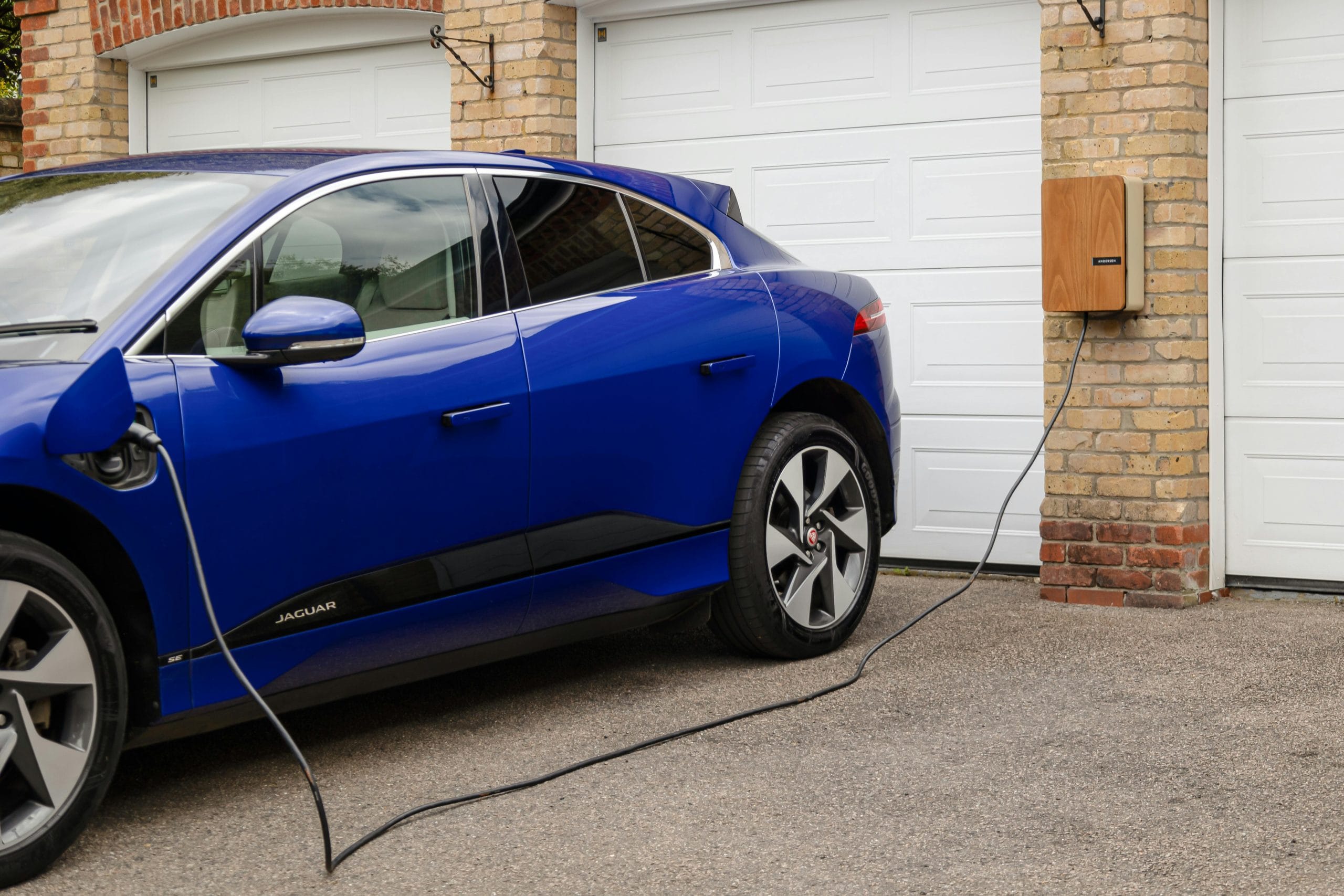
- Household chargers (AC, alternating current): The power of household chargers typically varies from 3.7 kW to 7.4 kW. These devices are used for charging at home via regular wall sockets. They are convenient, but they can take 6 to 12 hours to charge.
- High-speed charging stations (DC, direct current): DC charging stations can have an output of 50 kW to 350 kW. Due to the high power output, charging via these stations is much faster, allowing the 80% to be charged in 30-60 minutes.
The impact of power on energy consumption
- The higher the power of the charger, the faster the vehicle receives energy, and thus more kilowatt-hours will be consumed in a shorter time.
- However, fast charging stations can be less energy efficient than home chargers, as the charging speed can exceed the battery's efficiency at high charge rates.
Energy consumption for different types of charging
In addition to the power of the charger, the type of charging is an important factor, as it affects the overall energy consumption.
Standard charging via a household socket
- When using a household outlet, the standard power output of the charger is around 2.3 kW.
- Therefore, if an electric vehicle is charged for 8 hours, it consumes approximately 18.4 kWh (2.3 kW × 8 hours).
Fast charging
- For fast charging via DC stations, the power can be up to 50 kW or more. With these capacities, it can take as little as 30 minutes to charge a vehicle from 0 to 80%.
- However, with fast charging, there is a trade-off between speed and long-term battery performance. The power consumption will be higher, but the higher charging speed may result in a shorter battery life.
The energy consumption of electric vehicles is measured in kilowatt-hours, which allows you to determine how much energy the vehicle uses when charging. The power of the charger, the type of current used and other factors determine the total energy consumption, which varies depending on the charging conditions.
Energy consumption depending on vehicle model
The energy consumed by an electric vehicle is a key parameter for assessing the economic efficiency and environmental performance of such vehicles. However, energy consumption can vary significantly depending on the model of the car, as different manufacturers use different battery, motor and energy management system technologies. For each model, it is important to understand how much energy it consumes per 100 km of travel, as this directly affects charging costs and overall efficiency.
Effect of battery size on energy consumption
One of the main factors that determine energy consumption is the size and capacity of the battery. Larger batteries can store more energy, allowing the vehicle to travel longer distances without needing to be recharged, but can also have higher energy consumption.
Models with large batteries
For example, the Tesla Model S Long Range has a 100 kWh battery, which allows it to travel up to 600 km on a single charge. At the same time, due to its high efficiency, Tesla consumes an average of about 15-17 kWh per 100 km, which is a very economical result for such large batteries.
Models with smaller batteries
In more compact models, such as the Nissan Leaf, the battery capacity is 40 or 62 kWh (depending on the version), which allows it to cover a shorter distance on a single charge (about 270-385 km). However, the energy consumption per 100 km in such cars can be higher - 17-20 kWh, as the battery has a lower capacity and usually takes longer to charge.
Influence of vehicle weight and aerodynamics
In addition to the battery size, the weight of the vehicle and its aerodynamic characteristics also have a major impact on energy consumption. The heavier a vehicle is or the less aerodynamic it is, the more energy it needs to cover the same distance.
Vehicle weight
Large crossovers and SUVs, such as the Tesla Model X or Audi e-tron, have a higher weight, which results in higher energy consumption per kilometre. For example, a Tesla Model X with a 100 kWh battery consumes about 20-22 kWh per 100 km due to its heavy weight and large size.
Car aerodynamics
Cars with more aerodynamic shapes, such as the Tesla Model 3 or Hyundai Ioniq 5, consume less energy because the cost of overcoming aerodynamic drag in such models is much lower. The Tesla Model 3, in particular, consumes only 13-15 kWh per 100 km, which is one of the best results among electric cars.
Influence of driving style and operating conditions
Driving style and road conditions have a significant impact on how much energy an electric vehicle consumes.
Active driving style
Rapid acceleration and aggressive driving will result in higher energy consumption. For example, a speed of 130 km/h or frequent sharp accelerations can increase energy consumption by 20-30% compared to a mild driving style. In such cases, the energy consumption for the Tesla Model S can reach 20-22 kWh per 100 km, instead of the usual 15-17 kWh for quiet driving.
Climatic conditions
Winter conditions can have a significant impact on battery efficiency. Cold air reduces battery efficiency, which increases energy consumption. For example, in severe cold conditions, the Nissan Leaf can consume 20-30% more energy per 100 km compared to summer conditions due to the additional load on the heating and cooling system.
Energy consumption per 100 km for different models
To better understand how energy consumption varies between models, here are some examples of average energy consumption per 100 km:
- Tesla Model 3: It consumes about 13-15 kWh per 100 km, making it one of the most energy-efficient electric models.
- Nissan Leaf: Energy consumption varies from 17 to 20 kWh per 100 km, depending on the battery capacity.
- Volkswagen ID.4: It consumes about 18-20 kWh per 100 km, which is the result of its heavy weight and powerful engine.
- Audi e-tron: It consumes about 22 kWh per 100 km due to its heavy weight and high power.
The energy consumption of electric vehicles depends on many factors, including battery size, vehicle weight, aerodynamic characteristics, driving style and operating conditions. Larger batteries provide longer range but may have higher energy consumption due to the size of the vehicle. Models with smaller batteries, although they consume less energy per 100 km, have a shorter range and require more frequent charging. Taking these factors into account helps to properly assess the cost-effectiveness and efficiency of electric vehicles.
How long does it take to charge an electric car?
The charging time of an electric vehicle is an important factor for many drivers, as it directly affects the convenience and practicality of using an electric vehicle in everyday life. The time required for charging depends on many factors, including the type of charger, battery capacity and current charge level. It is important to understand that there are different types of charging stations, each of which has its own characteristics that determine the charging time.
Types of charging stations and their impact on charging time
There are three main types of charging stations that can significantly affect the charging time of an electric vehicle:
Type 1: Household chargers (AC Level 1)
- These are standard household outlets that use alternating current (AC). Charging via this type of station is the slowest and can take 8 to 15 hours to fully charge a battery, depending on its capacity.
- It is important to remember that the power of such devices is usually 1.5-2 kW, which is very low compared to other types of charging stations.
Type 2: Medium power chargers (AC Level 2)
- Type 2 charging stations have a power output of 3.7 to 22 kW and can be used both at home and in public places. This type of charging is much faster and takes 4 to 8 hours to charge a full battery.
- This is one of the most common types of charging for electric vehicles because it is convenient for everyday use.
Type 3: DC Fast Charging stations
- These are chargers that use direct current (DC) and allow for much faster charging of the vehicle. The power of such stations can reach from 50 to 250 kW or more, which allows the 80% to charge the battery in just 30-60 minutes.
- These stations are used on public charging networks and are very useful for quickly replenishing the charge on long journeys or when time is limited.
How battery capacity affects charging time
The capacity of the battery directly affects the time it takes to charge. Larger batteries take longer to charge because they store more energy.
Small batteries (20-40 kWh)
Such batteries are often found in compact electric vehicles such as the Nissan Leaf or Renault Zoe. It can take up to 12-15 hours to charge such batteries at household charging stations (AC Level 1) and 5-6 hours at Type 2 stations.
Medium batteries (40-70 kWh)
Mid-range cars such as the Tesla Model 3 or Volkswagen ID.4 use medium-duty batteries. A full charge using a Type 2 charging station can take between 6 and 8 hours, depending on the capacity and power of the charger.
Large batteries (80-100 kWh)
Electric vehicles with large batteries, such as the Tesla Model S or Audi e-tron, have longer charging times that can reach 10-12 hours when using standard charging stations. Fast charging via DC-type stations allows such batteries to be charged on the 80% in just 40-60 minutes.
Effect of current charge level on charging time
The time it takes to charge also depends on how much energy is already in the battery. Most modern batteries charge faster when their charge is low (less than 20%) and gradually slow down as the charge level approaches 100%.
Charge up to 20%
When the battery is charged to 20%, charging via DC Fast Charging can be very fast - up to 80% in 30-40 minutes. In contrast, charging via a household station (AC Level 1) will take a long time.
Charge 80-100%
When the battery reaches 80%, the charging process slows down significantly. This is due to the battery's overcharge protection. For example, charging through fast charging stations can take another 20-30 minutes, but in general, charging time at household stations can be much longer.
How temperature conditions affect charging times
Temperature is an important factor affecting the charging speed. At low or very high temperatures, the charging process may be slowed down due to the effect on battery efficiency.
Cold temperatures
In winter, when temperatures drop below 0°C, charging may be slower due to reduced battery efficiency. In these conditions, charging may take up to 10-20% longer and the battery may require additional time to warm up before charging.
High temperatures
In summer or in hot climates, the battery can overheat, which also slows down the charging process. Some cars may have battery cooling systems, but even these systems may not always completely eliminate the problem of overheating.
The charging time of an electric vehicle depends on many factors, including the type of charging station, battery capacity, current charge level, and external conditions such as temperature. Of course, fast charging stations significantly reduce charging times, but even they have their limitations. It's important to choose the right type of charger for your needs and operating conditions to ensure maximum convenience when using your electric vehicle.

ECOFACTOR: Support for efficient charging of electric vehicles
As a company specialising in innovative solutions for energy saving and efficient charging, we are in ECOFACTOR We understand how important it is to have the right conditions for charging your electric vehicle. We strive to provide users with not only convenient, but also high-quality charging tools that meet the latest safety and efficiency standards. Our products and services are designed to maximise efficiency even in difficult weather conditions, ensuring a stable charging process.
We provide charging technologies that take into account the effects of weather conditions and ambient temperature to ensure the best results whether you are charging your electric vehicle in cold, hot or rainy conditions. With our innovative platform and tailored solutions, you can be sure that the charging process will be fast and safe, which in turn will extend the life of your battery and improve energy efficiency.
With our help, you can easily monitor charge levels, charging speeds and energy consumption in real time, enabling you to optimise your energy use and minimise your charging costs. We support energy efficiency and help our customers to charge their vehicles even in difficult weather conditions without sacrificing performance.
Our main advantages:
- Intelligent chargers: We offer charging stationsThe charging system automatically adapts to changes in weather and temperature to ensure the most efficient charging process.
- Real-time monitoring: You can monitor the charging status on your mobile phone application, available for iOS and AndroidThe system provides accurate data on charge level, charging speed and energy consumption.
- Safety and reliability: Our charging stations have a high level of protection against moisture, temperature fluctuations and other factors that can affect the charging process.
- Optimising energy costs: With our solutions, you can reduce your charging costs with energy-efficient technology.
- Support for difficult weather conditions: We ensure stable operation even in the most challenging weather conditions, providing reliable and efficient charging at any time of year.
ECOFACTOR is actively working on the development of infrastructure for electric cars, creating map of charging stationsThe company's new charging system allows drivers to not only charge their cars efficiently, but also have access to safe and convenient technology. Our cables and adapters comply with the most advanced European quality standards, which guarantees safe, fast and efficient charging of your electric vehicles.
Energy consumption per 100 km
Energy consumption per 100 km is one of the main indicators of an electric vehicle's efficiency. Determining this value allows you to better understand how much energy a car consumes to cover a certain distance, which directly affects the total cost of charging, as well as the range of travel without recharging. However, the energy consumption per 100 km can vary depending on several factors, such as the car model, driving style, type of terrain, and even weather conditions.
How is energy consumption per 100 km calculated?
Energy consumption per 100 km is measured in kilowatt-hours (kWh) per 100 km. It is a measure that allows you to estimate how much energy is required to cover a distance of 100 km. This figure is calculated using factors such as engine power consumption, battery efficiency, and different driving conditions.
Calculation based on engine power
Typically, electric cars use an engine power in the range of 50 to 300 kW. But energy efficiency depends not only on power but also on how the car uses energy while driving.
Factors affecting the calculation:
- Driving style: Aggressive acceleration or rapid braking can increase energy consumption. Smooth driving, on the other hand, can significantly reduce consumption.
- Type of terrain: The terrain of the road also affects energy consumption. For example, hills require more energy going up and less energy going down.
- Temperature conditions: In the cold season, the car uses more energy to heat the cabin and maintain the battery temperature.
Dependence of energy consumption on the car model
Energy consumption can vary significantly depending on the specific model of electric vehicle. Modern electric cars have different energy efficiency, and this is an important criterion when choosing a car.
Companies offering economic models:
- Tesla Model 3: One of the most fuel-efficient cars on the market. Energy consumption per 100 km for this vehicle can range from 14 to 16 kWh, depending on the model variant and road conditions.
- Nissan Leaf: An electric vehicle with a more affordable level of energy consumption, which typically requires 15 to 17 kWh per 100 km in urban traffic.
- Volkswagen ID.3: It consumes 14 to 16 kWh per 100 km, which makes it quite economical compared to other cars in the middle class.
Premium cars with high power:
- Audi e-tron: This electric vehicle has a high energy consumption of about 20-22 kWh per 100 km, which is due to its high power and weight.
- Jaguar I-Pace: This SUV has an energy consumption of 21-23 kWh per 100 km, which is also explained by its size and high performance.
How does the type of terrain affect energy consumption?
The type of terrain on which an electric vehicle is driven can significantly change energy consumption. The main factor is the terrain: flat roads require less energy to maintain speed than steep hills.
Plain roads
Energy consumption on flat roads is usually lower because the vehicle does not need much power to move forward. Energy consumption can be between 14 and 16 kWh per 100 km for a medium-sized model.
Mountainous and hilly areas
Energy consumption increases when driving uphill. For example, on hills, you may need 3-5 kWh more energy to cover 100 km.
How does temperature affect energy consumption?
Temperature is an important factor that affects battery efficiency and energy consumption. This is especially true during the cold season, when electric vehicles can consume more energy due to the need to heat the cabin and maintain battery temperature.
Winter conditions
In winter, energy consumption can increase by 10-15%, as the batteries require more energy to maintain the temperature and heat the cabin. In particular, energy consumption per 100 km can reach 18-22 kWh.
Summer conditions
During the summer months, energy consumption may be slightly reduced as the batteries are more efficient and the air conditioning system requires less energy compared to heating.
How does driving style affect energy consumption?
Driving style directly affects how much energy is consumed per 100 km. Aggressive driving leads to higher consumption, while economical and smooth driving reduces energy consumption.
Aggressive driving
Sudden acceleration and frequent rapid braking increase energy consumption. Such driving can increase energy consumption by 20-30% compared to economy driving.
Economical driving
Smooth acceleration, uniform speed and the use of regenerative braking help to reduce energy consumption. This can save up to 10-15% of energy per 100 km.
Energy consumption per 100 km is an important criterion for understanding the efficiency of an electric vehicle. This figure depends on many factors, including vehicle power, type of terrain, weather conditions and driving style. Choosing the right car and managing energy efficiently can reduce costs and ensure more efficient use of electricity.

Impact of weather conditions on charging an electric vehicle
Weather conditions have a significant impact on the charging of an electric vehicle and the efficiency of its battery. Like any other technology, batteries in electric vehicles have their own optimum temperature conditions for normal operation. Temperature fluctuations, moisture, wind, and other natural factors can affect the charging speed as well as the overall battery efficiency. Let's take a look at how different weather conditions can change the charging process and affect the duration of energy use.
Effect of low temperatures on charging
Reduced battery efficiency in cold weather
At low temperatures (below 0°C), the chemical processes in the battery slow down, which leads to a decrease in battery efficiency. This means that an electric vehicle can use more energy to heat the interior and maintain battery temperature.
Battery charging also slows down at low temperatures. This is because lithium-ion batteries, which are standard in most electric vehicles, lose their ability to store energy efficiently in cold temperatures. Charging may take longer than normal, even if you use a powerful charger.
How to deal with the challenges of cold weather
Many modern electric vehicles are equipped with battery heating systems that help keep the battery at an optimal temperature. This reduces the impact of cold weather on charging efficiency.
However, drivers should be prepared for longer charging times in extreme cold and a reduced range due to increased energy consumption.
Effect of high temperatures on charging
Battery overheating:
- High temperatures (above 30°C) can cause the battery to overheat. Overheating, in turn, causes a reduction in battery life and may also reduce charging efficiency.
- Lithium-ion batteries have a limited temperature range for safe operation. When the ambient temperature is excessively high, the battery may heat up during charging, which increases the risk of overheating and consequently affects the charging speed.
Methods of protection against overheating:
- Modern electric vehicles are equipped with battery temperature management systems that automatically cool the battery using special liquid or air systems. This avoids overheating and ensures a stable charging speed.
- We recommend that you avoid charging electric vehicles in direct sunlight or in very hot conditions. If it is not possible to charge in the shade, try to park the vehicle in cooler places.
Humidity and rain as charging factors
Risk of short circuits and safety:
- High humidity and rain can affect charging safety. Chargers and connectors can become potential short-circuit points if they are not sealed against water. Modern charging stations are usually equipped with moisture protection and provide adequate safety even in rain.
- For safety reasons, drivers should check that the charging connector and cable are sealed before charging. It is best to charge your electric vehicle in the rain only at trusted stations that have appropriate water protection.
How to avoid moisture problems:
- Use only certified charging stations that are protected from moisture and weather conditions.
- If you are charging your vehicle at home, make sure that the charging cable and socket have adequate water protection (especially when charging outside in rainy weather).
Winds and their impact on charging
The need for additional measures:
- Winds themselves do not have a direct impact on the charging process, but strong gusts can reduce the stability of power grids or charging stations, especially if they are located in open areas. Strong winds can lead to accidents when power stations lose power or connections.
- In such cases, charging may be slow or even paused. This is important to consider when planning trips in high winds.
How to deal with windy conditions:
In the event of strong winds, you should choose reliable and weatherproof charging stations that guarantee a stable connection to the power grid.
Impact of weather conditions on charging speed
Overall change in charging time:
- Weather conditions have a direct impact on charging speed. For example, cold temperatures can result in a 10-20% slower charging speed. Similarly, hot weather can reduce charging power if the battery overheats.
- Wet conditions can also cause a reduction in charging efficiency due to additional risks of short circuits or connection problems.
How to optimise charging in different weather conditions:
- During severe frosts, it is better to use charging at a lower power level to avoid overheating of the battery.
- In hot conditions, it is recommended that you charge your vehicle in the morning or evening when the ambient temperature is lower to reduce the load on the battery.
Weather conditions have a significant impact on the charging process of an electric vehicle. Both low and high temperatures can slow down the charging process, reduce battery efficiency and even shorten the battery's lifespan. To optimise the charging process, it is important to take these conditions into account and choose appropriate strategies. Using protected chargers and following the battery temperature recommendations will help to maintain the efficiency and longevity of your electric vehicle in all seasons.
Conclusion.
In general, the power consumption of an electric vehicle during charging can vary depending on several factors: the type of charger, the power of the vehicle and the environmental conditions. For home use, chargers with a capacity of 3.7 to 7 kWh are usually sufficient, while at high-speed charging stations, the capacity can be much higher.
To charge your electric vehicle efficiently, it is important to choose the right charger, take into account the weather conditions and the type of vehicle you have. To get the most out of your electric vehicle, you should plan your charging time and energy consumption accordingly to achieve optimal results.
FAQ
How many kilowatts does an electric car consume per 100 km?
Most models consume between 15 and 20 kWh per 100 km, depending on driving style and weather conditions.
Why might charging be slower in cold weather?
Cold temperatures reduce the efficiency of batteries, resulting in a slower charging process.
How fast can an electric car be charged at a fast charging station?
Fast charging can take 30-60 minutes to charge the 80%.
Can I charge my electric vehicle via a standard household outlet?
Yes, but charging will be slow and may take up to 12 hours.
What is the capacity of chargers for electric vehicles?
Household devices can have a power of 3.7 kW to 7 kW, and high-speed charging stations can have a power of up to 50 kW.
How do weather conditions affect energy consumption?
Cold and hot weather can reduce charging efficiency and change battery power.
How long does it take to fully charge the car at the home station?
For a standard 3.7 kW charger, this can take between 6 and 12 hours.
Which electric car models consume the least energy?
Compact models such as the Nissan Leaf typically consume less energy than larger cars like the Tesla Model S.


