





How much electricity does an electric car consume?
Electric cars are no longer a rarity on Ukrainian roads. They are charging near supermarkets, driving in taxis, and some people even plug them in in their own garages. And the more of them there are, the more often a logical question arises: how much electricity does an electric car actually consume? The answer is not as obvious as it seems. It all depends on the model, driving style, season, and even where you [...]
Content:
Electric cars are no longer a rarity on Ukrainian roads. They are charging near supermarkets, driving in taxis, and some people even plug them in in their own garages. And the more of them there are, the more often a logical question arises: how much electricity does an electric car actually consume?
The answer is not as obvious as it sounds. It all depends on the model, driving style, season, and even whether you're driving on the highway or in the city. But we will deal with this without unnecessary complications. In this article, we'll talk in simple terms: what factors affect consumption, how many kWh are needed per 100 km, what statistics for the most popular models show, and how much it all costs in real life in Ukraine.
We remind you that you can purchase home and commercial charging stations in our online storeand also use the public charging stations ECOFACTORcharging points located throughout Ukraine. For convenient access to charging infrastructure, we recommend using our mobile applicationwhich is available on iOS and Android.
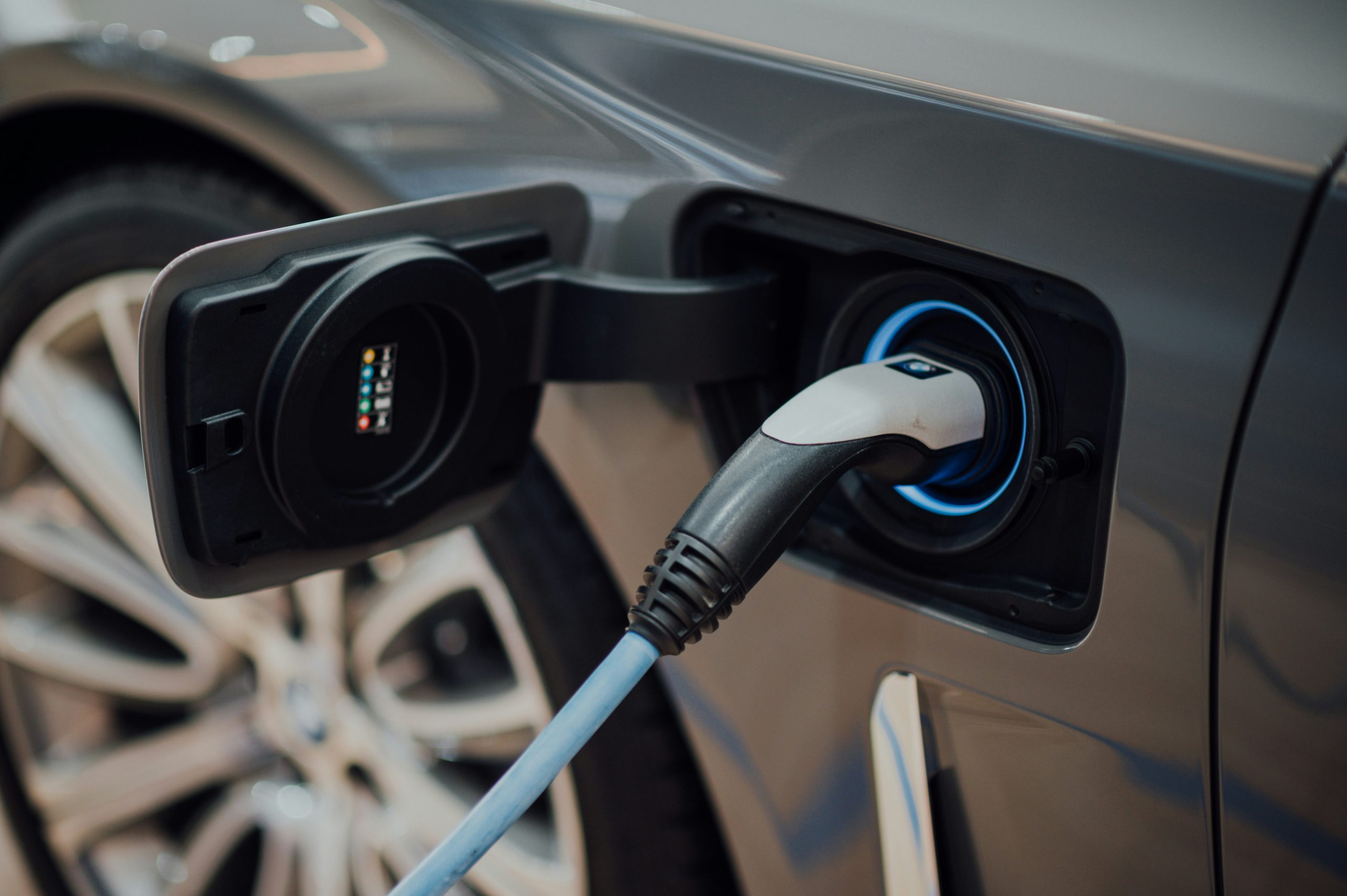
Factors affecting electricity consumption
How much electricity an electric car "eats" is not a fixed figure. It's not like you read 15 kWh per 100 km somewhere and now it will be the same in all situations. In fact, it all depends on a few fairly simple but important things.
First, it's the type of car. A lightweight city hatchback like the Nissan Leaf will consume less energy than a large electric crossover like the Audi e-tron. Each car has its own weight, aerodynamics, battery type, and all of this affects energy consumption. In a very simplified way, a small electric car in the city can consume about 13-15 kWh per 100 km, while a large one is closer to 20-25 kWh.
Secondly, your driving style. Driving calmly with smooth acceleration and using regeneration (i.e. when you slow down and the car charges back up a little) can reduce consumption. If you step on the gas hard, accelerate and brake constantly, or drive at high speed on the motorway, consumption will increase significantly.
Another important factor is the air temperature. In cold weather, electric vehicles consume more fuel because they need to not only drive but also heat the battery and the interior. Sometimes in winter, costs increase by 20% or even more. And in summer, especially if you use the air conditioning frequently, the costs also go up a little.
Don't forget about the load. A full car with luggage, passengers or a roof rack consumes more than the same car but empty. It's the same with the terrain: on a flat road, consumption will be lower than in the mountains or when driving up and down.
How much electricity does an electric car consume on average
Generally speaking, the average electricity consumption for most electric vehicles in Ukraine ranges from 15-20 kWh per 100 km. But this is a conditional average. The actual value can be lower or higher, depending on the model, route and driving conditions.
For example, a typical city electric car that is driven mainly within the city at low speeds can easily manage 13-15 kWh per 100 km. But a large crossover driving on the highway at 120 km/h can easily consume 22-25 kWh, and even more in winter. That is, average consumption is always a compromise between real-world conditions and passport data.
In terms of monthly consumption, a driver who drives about 1000 km per month will consume 150-200 kWh of electricity. This is comparable to how much an average Ukrainian apartment uses over the same period.
Now imagine that you drive 12,000 km a year. Under such conditions, your car will consume approximately 1800-2400 kWh per year, which corresponds to the annual consumption of a refrigerator, boiler or air conditioner in one family.
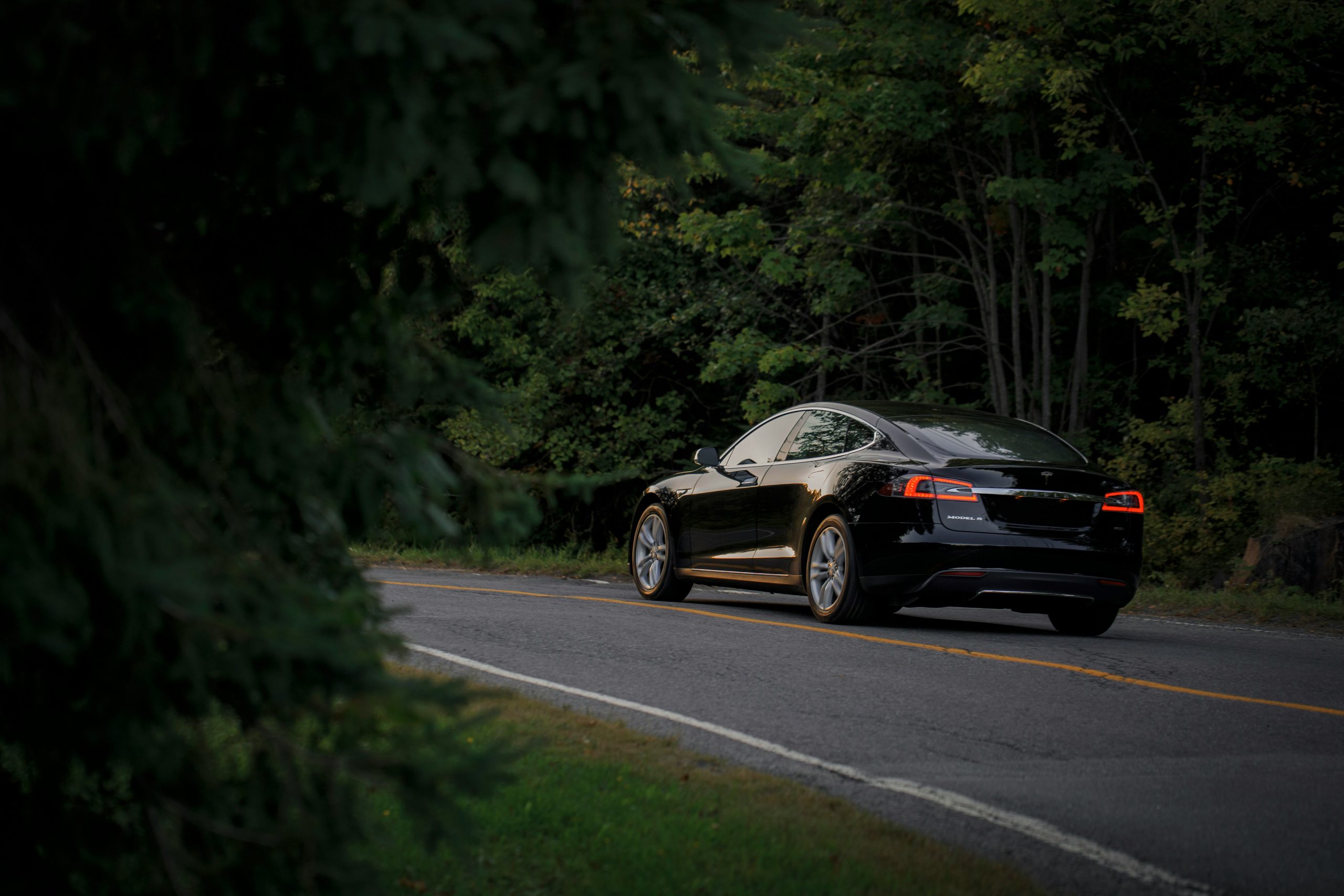
Electricity consumption by the most popular electric vehicles in Ukraine
To better understand how much electricity an electric vehicle consumes in real-world conditions, let's take a look at some of the most common models on Ukrainian roads. These figures are approximate, but they will help you get a general idea of typical consumption.
Nissan Leaf
This is, without exaggeration, the most popular electric car in Ukraine. Models with a 24 or 30 kWh battery are particularly popular. Newer versions have 40 or even 62 kWh batteries. In the city, the Leaf typically consumes 13-16 kWh per 100 km, while on the highway it consumes up to 18-20 kWh. A full charge of the basic version with a 40 kWh battery allows you to drive up to 240-280 km in quiet mode.
Tesla Model 3
This electric car has become a true symbol of the new wave of electric vehicles. It is becoming more and more popular in Ukraine, especially among drivers who value dynamics and range. The standard version has a 60-75 kWh battery and consumes about 15-18 kWh per 100 km in a mixed cycle. On the highway, if you push the pedal hard, the figure can rise to 22 or more.
Renault Zoe
A compact European electric car popular with those looking for a small car for the city. Equipped with 40 or 52 kWh batteries, it typically consumes 13-15 kWh per 100 km. Ideal for daily city driving or short trips.
Hyundai Kona Electric
An electric crossover with a good range. The 64 kWh battery allows you to drive up to 400 km at a relaxed pace. Average consumption is 14-17 kWh per 100 km, depending on the route. One of the most efficient crossovers on the market.
Volkswagen ID.4
It is a more spacious alternative for families or long journeys. On average, it consumes 16-20 kWh per 100 km and has a 77 kWh battery. It is suitable for those who often travel outside the city.
How much does it cost to charge an electric car in Ukraine
When you have figured out how much electricity an electric car consumes, the question naturally arises: how much does it cost in hryvnias? The answer depends on where you charge - at home, at a paid charging station, or perhaps at a free point, which can sometimes be found near shopping malls or office centres.
Charging at home is the cheapest option. If you have a nighttime tariff (and many people connect it specifically for this purpose), then the cost per kWh can be less than UAH 2. For comparison, a full charge of a Nissan Leaf with a 40 kWh battery will cost 70-80 UAH, which is enough for 250 km of driving. That is, a 100 km journey costs about UAH 30. This is cheaper than public transport in some cities.
Charging at public stations is more expensive. On average, the cost of one kWh at such stations is UAH 8-14, depending on the speed, operator, and location. For example, fast charging a Tesla Model 3 (75 kWh) can cost UAH 600-1000 for a full session. However, most drivers do not charge from zero to one hundred, but partially, for example, a 20 kWh charge can cost up to UAH 300, which is enough for several days of city trips.
For the majority of Ukrainian drivers who charge at home or combine home charging with public charging, the monthly cost of charging an electric car is approximately UAH 400-800 for a mileage of 1000-1500 km. This is significantly less than the cost of petrol or diesel, which easily exceeds UAH 2,000 for the same mileage.
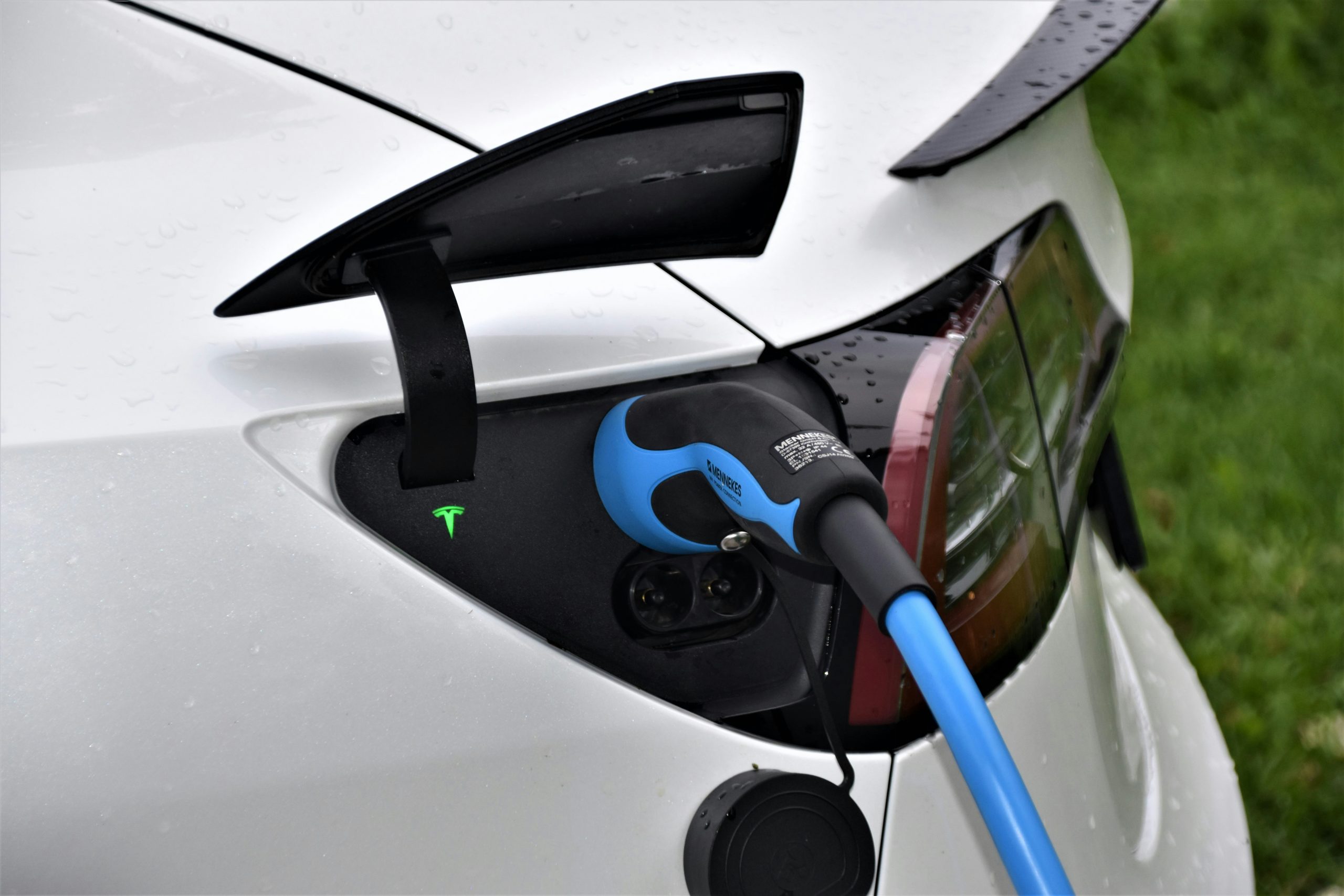
Tips on how to reduce electricity consumption in an electric car
Even the most efficient electric car can be made even more economical if you know a few simple things. It's not magic, just habits that help you use fewer kilowatts and look for a charge less often. This is especially true for those who travel frequently or don't have the opportunity to charge at home.
1. drive smoothly
Abrupt starts, last-minute braking and "throttle to the floor" are the enemies of economy. An electric car feels best when you drive calmly and pick up speed gradually. Also, make active use of recuperation, which allows you to return a little energy back to the battery.
2. Prepare your car for a trip while it is still charging
Most electric cars have a climate pre-start function. If you turn on the heating or cooling of the cabin while the car is still connected to the mains, the battery will not consume energy while you are driving. This is very noticeable in winter, when every kilometre counts.
3. Do not carry too much
It sounds trite, but an extra 50kg of cargo is an extra strain on the battery. Check the trunk: maybe there is something stored there that you should have dismantled a long time ago? And one more thing - roof boxes, even when empty, significantly worsen aerodynamics.
4. Check the tyre pressure
Low tyre pressure increases rolling resistance and therefore energy consumption. Check every two weeks to see if everything is in order. Even a small deviation has an impact on consumption.
5. Plan your route
A longer journey is not always worse. Sometimes it's better to go around the city on the highway than to stand in traffic and brake at every traffic light. Some navigation apps even have special "eco-routes" - use them if they are available.
6. Service your car on time
Yes, an electric car has fewer components than an internal combustion engine, but that doesn't mean you can forget about maintenance. A clean cooling system, good contacts, and software updates all contribute to the overall efficiency of the car.
Short recharges: how it works and why it's convenient
You don't have to wait until the battery drops to 5% to find a quick charge for an hour and a half. More and more electric car owners in Ukraine are taking a different approach - short recharges during stops throughout the day. It can be 15-30 minutes at the supermarket, in the car park near the office, or even at home while you're cooking dinner.
This approach has several obvious advantages. Firstly, you are less likely to find yourself in a situation where you urgently need a full charge and there are no free stations. Secondly, the battery is more often in a comfortable charge range - from about 30% to 80%, which has a positive effect on its durability. Thirdly, you don't have to spend separate time just charging, because it happens "in parallel" with your business.
Some shopping malls, coffee shops, or business centres even offer free or reduced rates. So, if you don't ignore such opportunities, you can save a lot of money in a month without losing convenience.
For Ukrainian conditions, where it is not always easy to find a fast charger nearby, partial recharging during the day is a practical and reasonable solution. The main thing is to make sure that you have a range in case of an unexpected trip.

ECOFACTOR: charging stations, an app and everything you need to control how much your electric car consumes
At ECOFACTOR, we have been working with electric mobility in Ukraine for many years, and the question "how much electricity does an electric car consume?" is not theoretical for us - we see this data every day, in real time. Millions of kWh pass through our platform, and our customers are drivers, station operators, companies and business owners who charge electric vehicles across the country every day.
Our infrastructure covers AC and DC network charging stationsWe provide a comprehensive range of charging stations, mobile chargers, and a management platform that allows you to see consumption, manage tariffs, track dynamics on a map of charging stations, and easily connect new points. We provide comprehensive solutions for businesses and individuals - from hardware to software.
We have also developed an app for drivers, available on iOS and Androidwhere possible:
- find the nearest charging station on an interactive map
- calculate the cost of a trip taking into account the route
- View your charging and consumption history
- pay for charging online immediately
And if you are looking for high-quality equipment charges, cables and adaptersWhether it's fasteners or RFID cards - we have it all online shop with a full catalogue of accessories for electric vehicles. We also manufacture equipment in Ukraine - all our charging stations are designed and assembled locally, which allows us to quickly update technical solutions and take into account the specifics of Ukrainian conditions.
We help people and companies see the full picture of how, where and how much electricity an electric vehicle consumes. And it is this transparency, clarity and control that makes electric mobility in Ukraine and beyond truly convenient.
Conclusions.
As you can see, an electric car does not consume any fixed amount of electricity - it all depends on the car, driving style, season, charging location, and even how often you clean the trunk. But in general, these are quite predictable costs that can be easily controlled and optimised. Calculations show quite clearly that charging an electric car costs significantly less than fuel for a petrol or diesel car. And if you also charge at home at night, it's just a pittance.
Just as we are used to knowing how many litres our car consumes, it is also easy to learn how to navigate kilowatts. The main thing is to pay a little attention to how, where and when you drive, and the rest is a matter of habit. And one more thing: if you have already switched to electricity, use it wisely. Both for yourself and for the planet.
Frequently asked questions
Is it really cheaper to drive an electric car than a petrol car?
Yes, it is usually much cheaper. If you charge at home, 100 km of mileage can cost less than 40 UAH. Even at a paid charging station, it's still more profitable than a full tank of petrol or diesel.
How much electricity does it take to fully charge an electric car?
It depends on the battery capacity. For example, for a Leaf with a 40 kWh battery, this is exactly how much it takes to charge it from zero to full. But in practice, it's rare for someone to "put the battery to zero" - they usually charge it partially.
What is the electricity consumption of electric cars in winter?
In winter, consumption increases by about 15-25% because the battery needs to be heated, plus the interior heating is running. Some models have heat pumps to help reduce consumption in cold weather.
Does driving speed matter for energy consumption?
Definitely. Driving at 120 km/h on the motorway consumes more than just driving around the city. The most economical way is to drive at 70-90 km/h. But an aggressive style with sharp accelerations is a direct way to unnecessary expenses.
How many kilowatts are consumed per 100 km on average?
Most electric vehicles consume between 13 and 20 kWh per 100 km, depending on the conditions. Compact models consume less, while large crossovers consume more. In the city, the figures are always slightly better than on the highway.


