





How to charge the Nissan Leaf: A complete guide
The Nissan Leaf is one of the most popular electric vehicles among drivers looking to reduce their environmental impact. However, as with any electric vehicle, it is important to understand how to charge your car properly to ensure optimal performance. In this article, we'll look at how to charge a Nissan Leaf, what types of chargers are available, and [...]
Content:
The Nissan Leaf is one of the most popular electric vehicles among drivers looking to reduce their environmental impact. However, as with any electric vehicle, it is important to understand how to charge your car properly to ensure optimal performance. In this article, we'll take a look at how to charge your Nissan Leaf, what types of chargers are available, and tips to help you save time and money when charging.
We remind you that you can purchase home and commercial charging stations in our online storeand also use the public charging stations ECOFACTORcharging points located throughout Ukraine. For convenient access to charging infrastructure, we recommend using our mobile applicationwhich is available on iOS and Android.
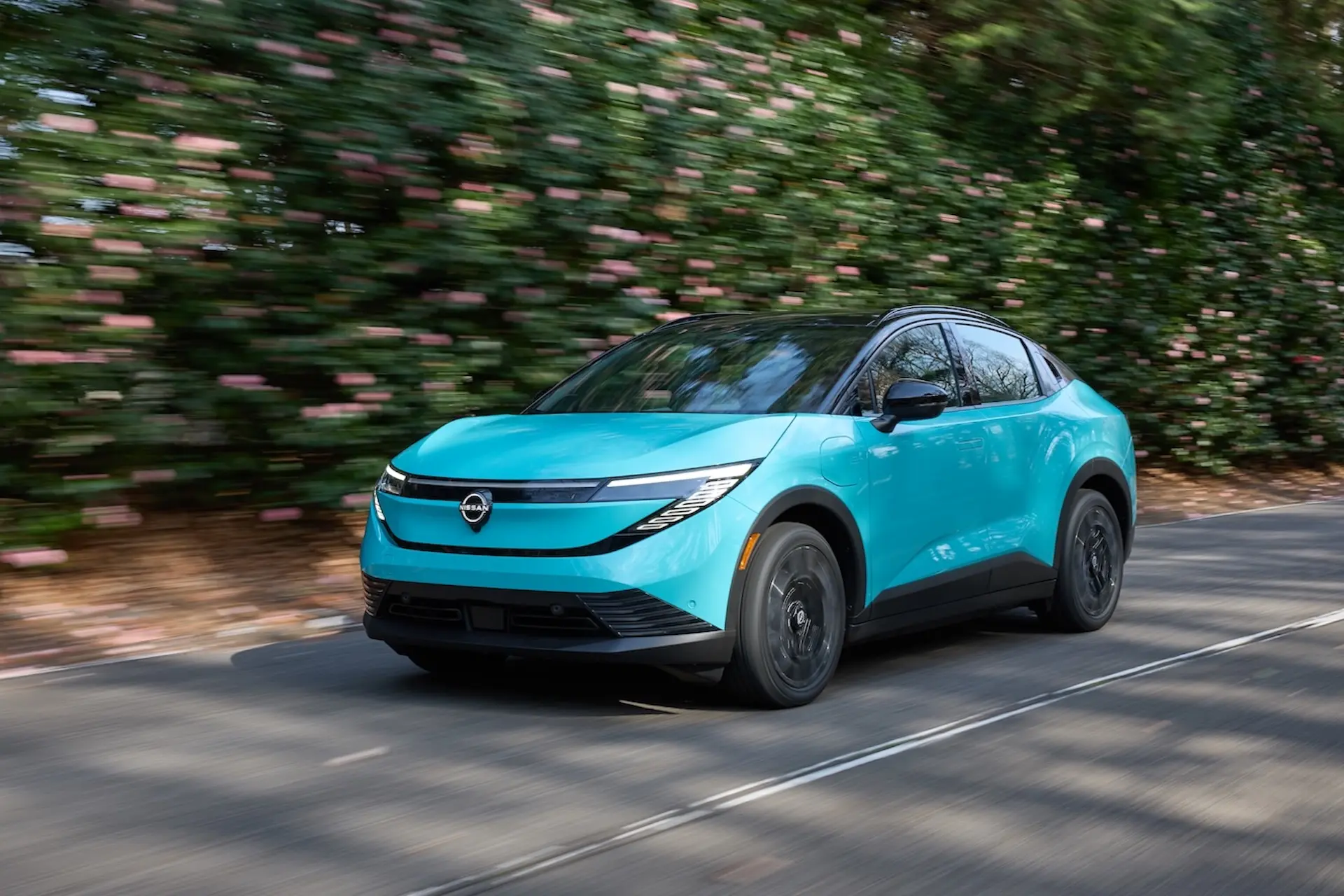
Charging the Nissan Leaf: The basics
The infrastructure for charging electric vehicles is important. Depending on where and what kind of charger you use, charging times and costs can vary significantly. Let's look at the three main types of chargers:
- Level 1 charging: This is the slowest charging method, which is done through a standard socket in the home. It is convenient for charging at night if you have enough time or access to another charger.
- Level 2 charging: More efficient charging that can be installed at home or found at public charging stations. It is significantly faster than charging via a standard wall socket and is ideal for charging at night or for recharging during the day.
- Fast charging (DC): If you are in a hurry, fast charging is the best option. It allows you to recharge your vehicle quickly, which is especially useful when travelling.
How to charge your Nissan Leaf
Charging your Nissan Leaf is a simple and convenient process when you know where to start. Whether you're charging at home or using a public charging station, following a few simple steps will keep your vehicle running at all times. Here is a step-by-step guide to help you.
Step 1: Locate and open the Nissan Leaf charging port
The Nissan Leaf charging port is conveniently located at the front of the vehicle, behind a small cover on the grille. To open the port:
- Press the button on the key fob or use the opening handle inside the car.
- Once opened, you will see two ports: one for standard charging (level 1 and level 2) and the other for fast charging the Nissan Leaf (DC fast charging).
If you are not sure how to open the charging port, you can either use the button on the instrument panel near the steering wheel or open it manually by pressing the latch on the charging port cover.
Step 2: Charging at home
If you're charging your car at home, you'll most likely be using a Level 1 or Level 2 charger. Here's what you need to do:
- Take the charging cable and connect it to the port that corresponds:
- Small port: for level 1 and 2 charging.
- A larger port: for fast DC charging.
- If you're using Level 1 charging, simply plug the cable into a standard home outlet.
- For Level 2 charging, you need a special charging station that you can install at home, or you can use a public charging station. Plug the charging cable into a power outlet or station.
- Once connected, the indicator light on the Nissan Leaf's dashboard will illuminate to confirm that charging has started.
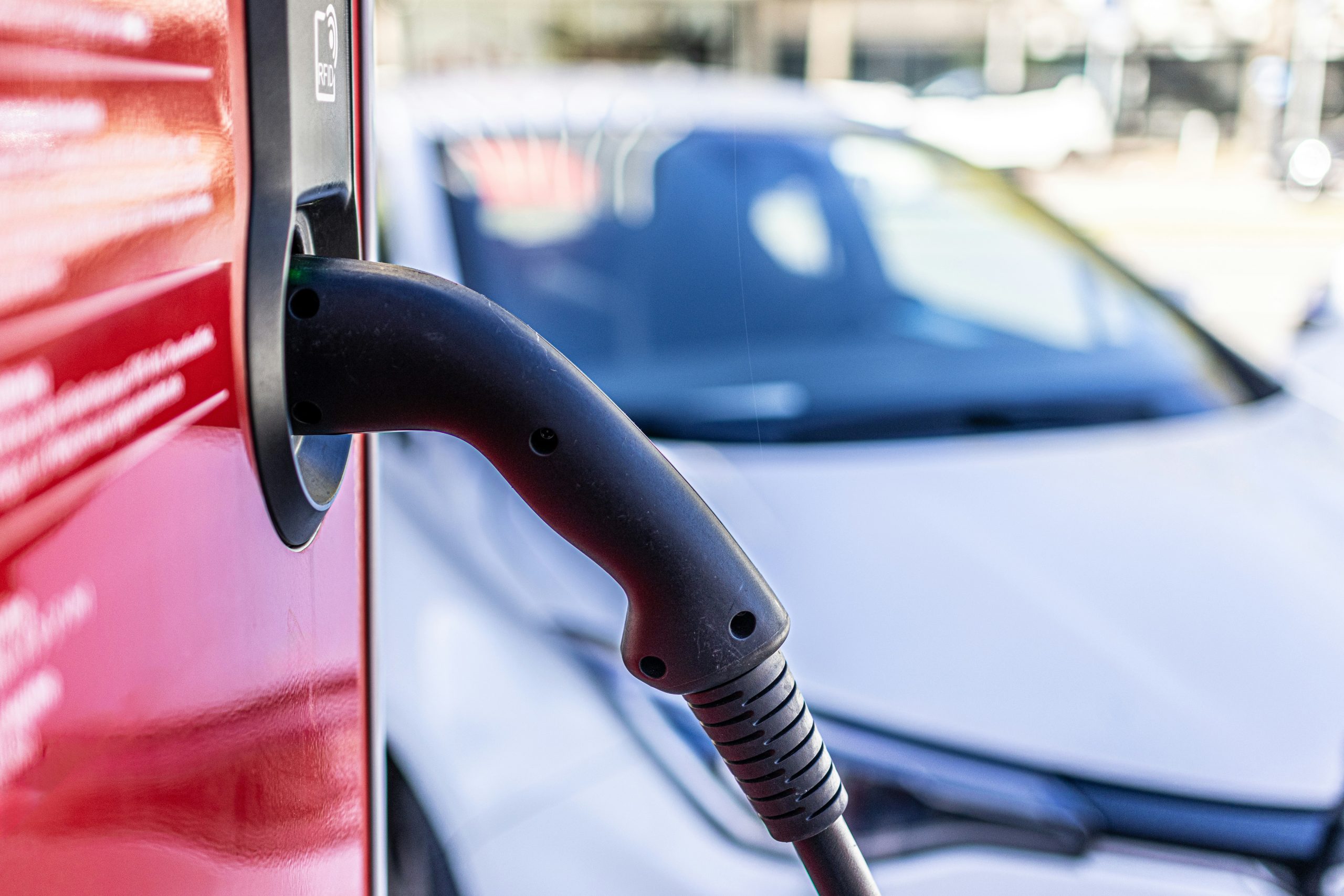
Step 3: Charging at public stations
When you're on the go, public charging stations are a convenient way to recharge your Leaf's battery. There are already many charging stations in Ukraine, and you can use apps to easily find the stations that suit your needs.
Here's how to charge at public stations:
- Use the ECOFACTOR EV Charging app to find the nearest Nissan Leaf charging station.
- Once you arrive at the station, park your car and open the port.
- Select the appropriate charger depending on the station (level 2 or DC fast charging).
- Plug the cable into the Nissan Leaf charging port and follow the instructions on the station to start charging.
You can also track the charging process through the app, which provides real-time data on charging status and station availability.
Nissan Leaf charging port security
Nissan has developed several safety features to ensure safe and reliable charging:
- Port water resistance: You don't have to worry about rain or dust as the port is protected from the weather.
- Protection against unauthorised movement: The vehicle cannot be started when it is connected to the charger, which prevents any accidental movement during charging.
- Locking mechanism: The charging cable has a locking mechanism that holds it in the port, preventing it from disconnecting. This ensures that no one can remove the cable until charging is complete.
Charging your Nissan Leaf is a simple and safe procedure that allows you to stay on the move at all times. From charging at home to fast charging at public stations, you can choose the best option to suit your lifestyle.
How long does it take to charge a Nissan Leaf?
One of the first questions that comes to mind for owners of electric cars like the Nissan Leaf is: "How long does it take to charge?" The answer depends on the different charging methods and several other factors.
Charging time by charger type
| Charging type | Charging time |
| Level 1 charging (standard household outlet) | Approx. 20 hours for a full charge from scratch |
| Level 2 charging (home or public charging stations) | 6-8 hours from a 240V socket |
| DC fast charging (public fast charging stations) | 40-60 minutes to charge up to 80% |
Factors that affect charging time
While the type of charger plays an important role in charging time, other factors can also affect the process:
- The size of the battery:The larger the battery, the longer it takes to charge. Most Nissan Leafs are equipped with 40 kWh or 62 kWh batteries. A larger battery takes longer to fully charge, especially if you use a slow charger.
- The charge level at the start of charging:The lower the charge level at the start, the longer it takes to fully charge. For example, charging from 20% to 100% will take less time than charging from 0% to 100%.
For more information on how battery life affects charging and longevity, please refer to the supplementary guide How long do Nissan Leaf batteries last. This will help you keep your battery in good condition and extend its life.
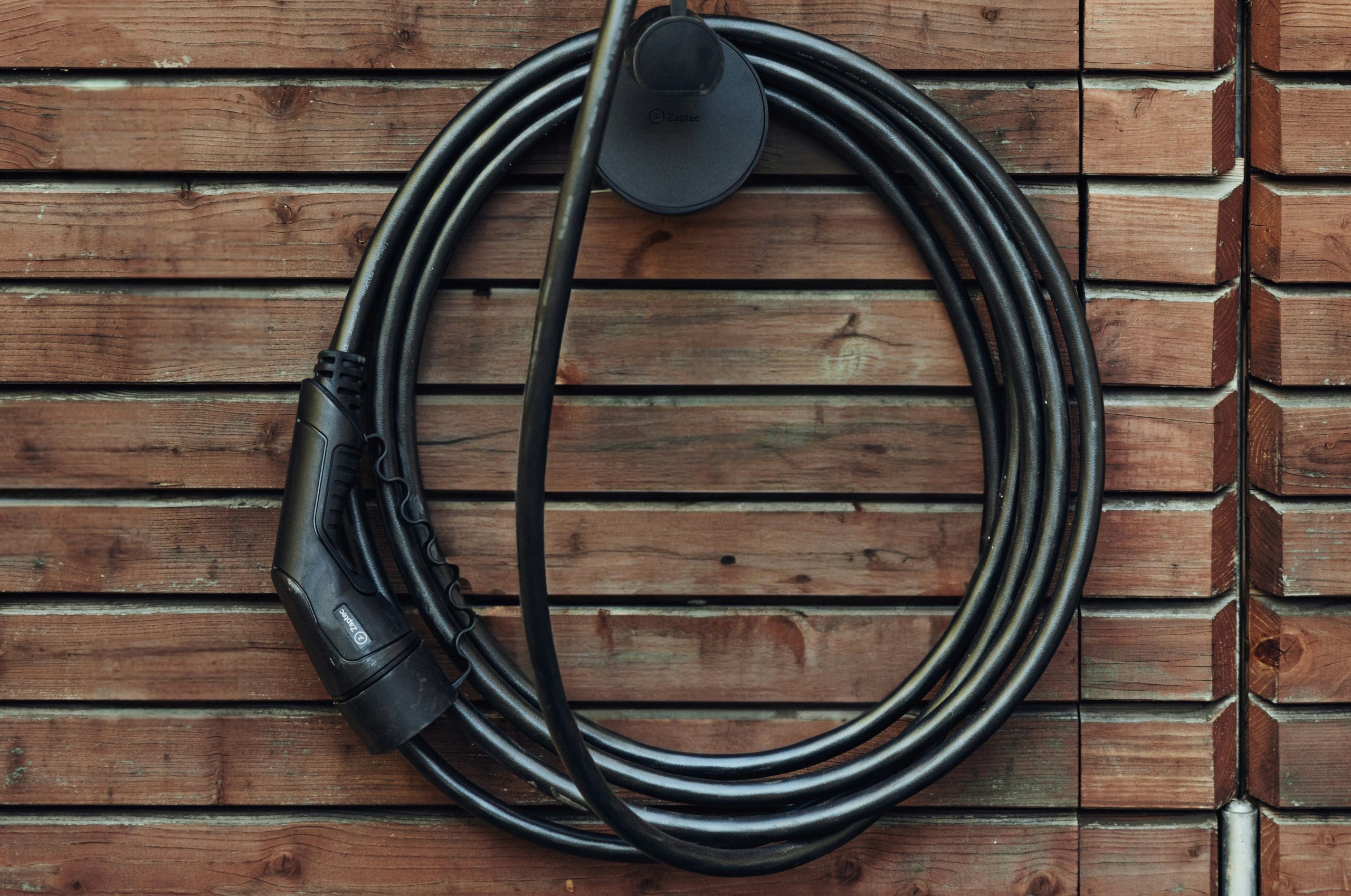
Purchase and installation of home charging equipment
Ready to set up a home charger? Here are some important things to consider:
- Choosing the right device: There are many Level 2 chargers on the market, so it is important to choose one that is suitable for your Nissan Leaf and meets your charging requirements. Typically, Level 2 charging stations have a capacity of 30-40 amps, which is optimal for charging your Nissan Leaf. Some charging stations have a Wi-Fi connection or the ability to be monitored via a mobile app, which allows you to track the charging process in real time.
- Installing a charging station: To install a Level 2 charger, you need to contact a licensed electrician who can carry out the installation of a dedicated 240V outlet in your garage or yard. The cost of installation may vary depending on the complexity, but it will save you time and money in the long run.
- Accessories: To enhance your charging experience at home, it's worth investing in some useful accessories. For example, cable organisers to help keep your charger cables tidy and outdoor charging station covers to help protect your equipment from weather conditions such as rain and dust.
These accessories will help you make the charging process more convenient and safe.
Maximise the benefits of fast charging
Fast charging is a very convenient option for those on the go, but there are some practical tips to help you make the most of it.
- Use fast charging whenever you need to: While fast charging is ideal for travelling or urgent recharging, you should not rely on it for your daily needs. Continuous use of fast charging can put extra strain on the battery, so it is best to use it only when you need to recharge your device urgently and use level 2 charging for normal daily charging.
- Plan ahead: Fast charging stations are available at many public stations, but it is useful to plan your route in advance using charging station locator apps. In Ukraine and Europe, fast charging is becoming increasingly available, making it easier to find a charger on the go.
- Keep your battery in optimal condition: To maintain the health of the battery, try to charge it when the charge level is between 20-30% and stop charging at 80% during fast charging. This will help reduce wear and tear on the battery and ensure its longevity.
For more information on comparing different electric car models, you can read our other articles to help you better understand how both models handle fast charging.
Advantages of public charging vs charging at home
For many Nissan Leaf owners, a combination of public and home charging is the best strategy to ensure a complete charging experience. Here's a breakdown of the benefits of each option:
| Public charging | Charging at home |
| Fast charging can charge up to 80% in 40-60 minutes. Ideal for emergency recharges during the day or when you're on the go. | Charging takes longer, but you can charge at any time. |
| Public charging is usually more expensive than home charging. | Charging at home is cheaper, especially if you charge at night at nighttime electricity rates. |
| Public charging stations allow you to make long journeys without fear of running out of power. | You need to plan your trips with the availability of charging stations along the route in mind. |
| Convenient for urgent recharges, but requires searching for stations and there may be a queue from time to time. | You can connect your car to the charger at any time convenient for you without queuing. |
| Public charging stations are available in cities, shopping malls, and offices. | The need for an external outlet or charging station at home. |
| Frequent use of fast charging may cause the battery to wear out. | Level 2 charging at home puts less strain on the battery and helps keep it in good condition. |
| You can charge while doing other things, such as shopping or eating lunch. | Charging is available at any time according to your schedule, without the need to find a station. |
| Sometimes you need to wait for other users to finish charging. | You are the only one at home who uses the charger, so there are no queues. |
The final choice between public and home charging depends on your lifestyle and driving habits. Many Nissan Leaf owners in Ukraine find that a combination of both methods strikes the best balance between convenience, economy and flexibility.

How ECOFACTOR can help with charging your Nissan Leaf
At ECOFACTOR, we specialise in providing complete solutions for charging electric vehicles, including the selection and installation of charging stationsWe offer a wide range of accessories, cables and adapters, as well as support via our app. Designed and manufactured in Ukraine, our products comply with industry standards and provide an effective and safe solution for your Nissan Leaf.
Charging stations for your Nissan Leaf
Whether you need charging at home or in the workplace, we offer a variety of charging stations of different types, including AC stations up to 44 kW and DC stations up to 420 kW. If you're looking for a charging station for your Nissan Leaf, we can help you find the best solution for your needs and operating conditions.
Charging accessories
In addition to the charging stations themselves, we also offer charging accessories such as cables and adapterswhich allow chargers to be adapted to different types of connectors. In our online store you will find everything you need to charge your car comfortably.
A mobile application for finding stations.
Using our app, available for iOS and Android, you can easily find the nearest charging stations on the map. It helps you quickly find a place to charge your Nissan Leaf anytime, anywhere. The app also allows you to track your charging status, view available stations and their characteristics.
Map of charging stations
Our app also includes a map of charging stations, which allows you to plan your journeys and find chargers along the way. The map is constantly updated and provides up-to-date information on available stations in Ukraine.
If you're looking for a charging solution for your Nissan Leaf, ECOFACTOR will not only help you choose the right charging station, but also provide convenient access to accessories and services to make the charging process as convenient and cost-effective as possible.
Conclusion.
Charging your Nissan Leaf is a simple and convenient process that can be adapted to suit different needs. With a range of charging stations and accessories available, you can always choose the best charging method for your vehicle. Whether it's charging at home via a standard wall outlet or fast charging at public stations, it's important to organise the process properly to ensure efficiency and convenience. As the infrastructure of charging stations in Ukraine is constantly evolving, you can be sure that you will always find the best solution for your Nissan Leaf.
Frequently asked questions
What type of charger is suitable for the Nissan Leaf?
For the Nissan Leaf, you can use Level 1 and Level 2 chargers for home use, as well as fast charging stations (DC) at public stations for quick recharging.
How long does it take to charge the Nissan Leaf?
Charging time depends on the type of charger. Charging via a standard wall socket (Level 1) takes up to 20 hours, Level 2 takes 6-8 hours, and fast charging (DC) takes 40-60 minutes to reach 80%.
How do I choose the right charging station for my Nissan Leaf?
The charging station you choose depends on your location and needs. If you plan to charge at home, Level 2 stations are ideal. For quick recharges when travelling, use DC stations at public charging stations.
Can I charge my Nissan Leaf at any charging station?
For example, the Nissan Leaf supports Type 2 connectors for Level 2 charging and CHAdeMO for fast charging at public stations.
How long does the Nissan Leaf battery last?
The Nissan Leaf battery can last for many years with proper charging and regular maintenance. To extend battery life, we recommend avoiding frequent use of fast charging stations.
Can I charge the Nissan Leaf at home?
For example, you can charge your Nissan Leaf at home using a standard socket or a special Level 2 charging station for faster charging.


