





How do I charge the Nissan Leaf from a power outlet?
Electric cars are becoming more and more popular today, and the Nissan Leaf is one of the leaders among affordable electric cars. One of the main questions that owners of such cars have is the issue of charging. This is especially true for those who plan to charge their Nissan Leaf from a regular home outlet. In this article, we will look at all aspects of the charging process that [...]
Content:
Electric cars are becoming more and more popular today, and the Nissan Leaf is one of the leaders among affordable electric cars. One of the main questions that owners of such cars have is the issue of charging. This is especially true for those who plan to charge their Nissan Leaf from a regular home outlet. In this article, we'll look at all aspects of the charging process to help you properly charge your electric car at home.
We remind you that in our online store you can purchase charging stations for home and business. Also, take advantage of the opportunity to charge your car at our public charging stations ECOFACTOR across the country with the help of applicationavailable for iOS and Android.
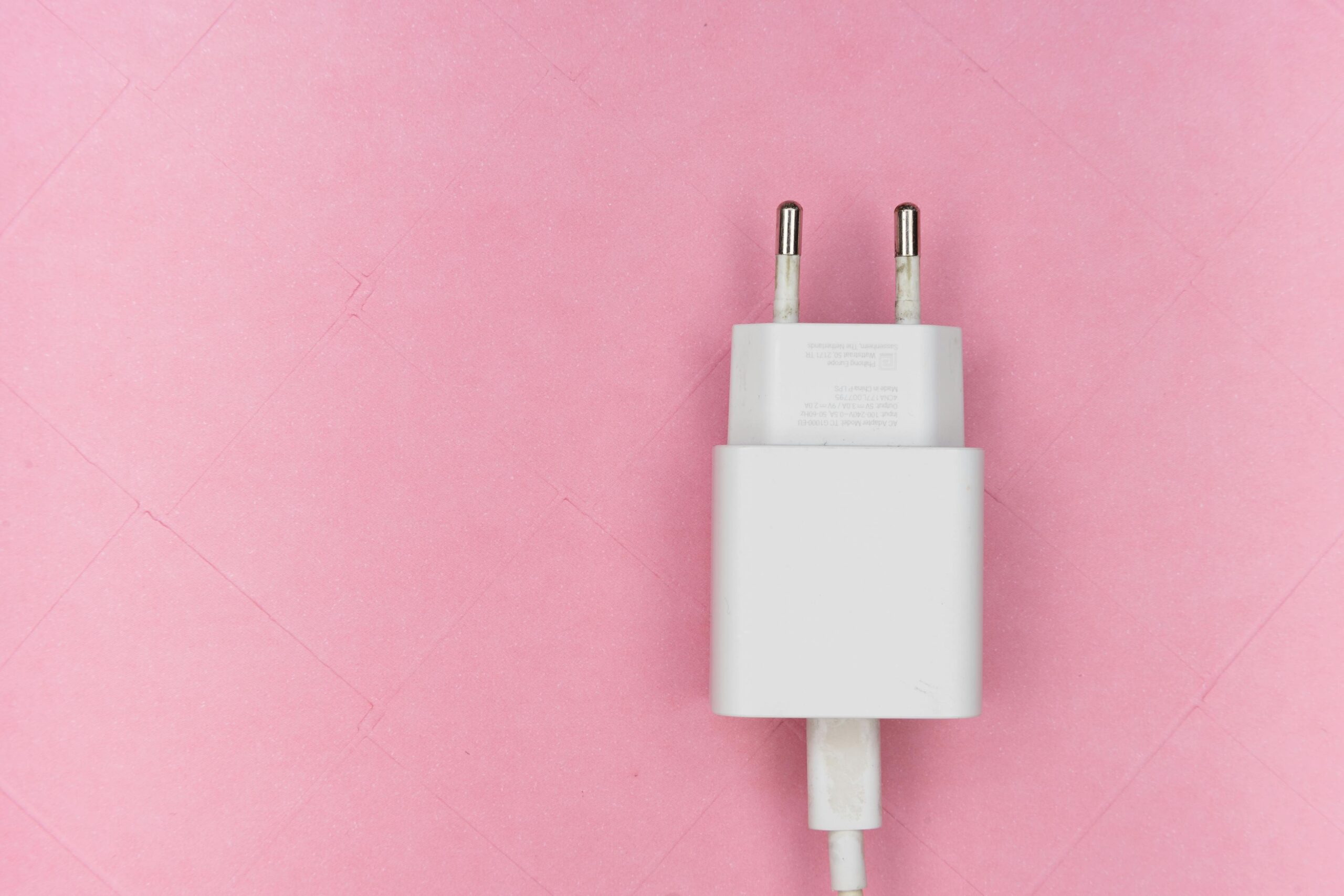
What you need to know about charging your Nissan Leaf from a power outlet
Charging an electric vehicle such as the Nissan Leaf from a wall outlet is one of the most affordable ways to top up your battery, especially if you don't have access to fast charging stations. However, there are a few important things to consider in order to charge your Nissan Leaf correctly and safely from a standard outlet.
Nissan Leaf mobile connector
To charge your Nissan Leaf from a standard wall socket, you will use the mobile connector that is supplied with your vehicle. This device allows you to connect your vehicle to a conventional plug-in electrical outlet (e.g. 220 V, 10 or 16 A).
The mobile connector has an adapter for connecting to standard household sockets, which allows you to charge your car at home or at work. However, it is important to note that for efficient and safe charging, the outlet must be earthed. If the outlet is not earthed, you risk not only increasing the charging time, but also compromising safety.
Grounding and socket requirements
To ensure that your Nissan Leaf is charged safely, it is important that the socket to which you connect the mobile phone connector is earthed. This reduces the risk of short circuits and prevents potentially dangerous situations. If the outlet does not have a ground connection, it may affect proper charging and safety. For optimised charging and additional safety, you can turn to the experts at ECOFACTOR, who specialise in providing efficient solutions for electric vehicle charging systems. They provide advice and help with the selection of suitable chargers adapted to the specific conditions.

Charging time
It takes longer to charge the Nissan Leaf from a wall outlet than using special fast charging stations. This is due to the limited power of a standard socket. Typically, a full charge can take 8 to 12 hours, depending on the state of the battery and the power of the outlet.
For many drivers, however, this is not a problem. If you put the car on charge overnight, you can wake up with a fully charged car, which is more than enough for normal daytime driving. In many cases, the 100% will charge the car overnight, saving you time on charging during the day.
Power sockets - red and blue
If you are able to plug your Nissan Leaf into a more powerful outlet, such as a red or blue power socket, this will significantly reduce the charging time. The power socket can deliver more power, so charging will be faster.
- Red power socket (16-32 A) provides a high charging speed. It can reduce charging time to 5-7 hours.
- Blue power socket (16 A) also has a higher power output, which allows you to charge your car faster than with a standard socket.
If you are able to install one of these sockets, you will significantly reduce the charging time, which is especially important if you need to charge your car faster.
Charging via the Nissan Leaf mobile connector
One of the most convenient and common ways to charge the Nissan Leaf is with the use of a mobile connector. This device allows owners to charge their vehicle from a standard household outlet without the need to install a specialised charging station. However, in order for charging to be effective and safe, it is important to understand the principle of operation of the mobile connector, its features and requirements. ECOFACTOR specialises in supplying high-quality charging solutions, particularly for electric vehicles, offering solutions that facilitate the charging process and increase user safety.
What is a mobile connector and how does it work?
The Mobile Connector is a special cable supplied with the Nissan Leaf that allows you to connect the vehicle to a standard electrical outlet. It includes an adapter for connecting to plug-in sockets (220 V). This means that you don't need to install expensive and complex charging stations for charging - a regular household outlet is enough. The connector has special contacts for connecting to the car's charging port, as well as an integrated safety system that controls the electric flow and allows you to adjust the charging speed depending on the power of the network. It is worth noting that ECOFACTOR offers modern chargers with built-in safety systems that help to avoid any malfunctions.
How do I connect the mobile connector to a power outlet?
To charge your Nissan Leaf via the mobile connector, you need to follow a few simple steps:
- Check the socket: Make sure that the outlet you plan to connect the mobile connector to is working and has the correct grounding. This is important for safety, as charging without a ground connection can lead to dangerous situations. If the outlet is not earthed, it is best to contact a professional to install a grounded outlet.
- Connect the cable to the vehicle: Once you have checked the condition of the power outlet, connect the mobile phone connector cable to the Nissan Leaf's charging port. The charging port is located on the left-hand side of the vehicle (depending on the model), next to the rear wing. Simply insert the connector into the port and you will hear a distinctive sound confirming that the connection is successful.
- Connect to a power outlet: Now plug the other end of the mobile connector into a standard household socket. It must be of appropriate power (220 V) and its components must be in good condition.
- Checking the charge: After connecting the charger to the socket, a charging indicator will appear on the vehicle screen to confirm that the charging process has started. This is usually accompanied by signals or lights on the connector itself.
Advantages of charging via a mobile connector
Charging the Nissan Leaf via a mobile connector has several significant advantages:
- Convenience: The mobile connector allows you to charge your car almost anywhere there is a standard socket. This is especially convenient for those who are often on the go or have limited access to fast charging stations.
- Cost: The use of a mobile connector is cost-effective because it does not require the installation of a specialised charging station, which can be a costly and time-consuming process.
- Security: The mobile connector is equipped with built-in safety systems that monitor the electrical flow and protect against overheating or short circuits. This provides additional safety during charging.
- Included in the package: Since the mobile connector is included with the car, owners do not have to spend extra money on its purchase. This makes Nissan Leaf charging accessible to everyone.
Charging time via mobile connector
One of the biggest disadvantages of charging via a mobile connector is the long charging time. Since a standard household outlet cannot provide the same power as fast charging stations, it can take a considerable amount of time to charge your car.
On average, it will take between 8 and 12 hours to fully charge the Nissan Leaf from a standard socket, depending on the condition of the battery and its current charge. However, this is not a problem for many owners, as charging can be done at night when the car is not in use and you can get a fully charged vehicle in the morning.
Safety when charging via a mobile connector
Charging via a mobile connector is safe, but it is important to follow certain rules:
- Grounding: As already mentioned, the socket must be earthed. This prevents possible accidents caused by short circuits or overheating.
- Network overload: When charging, make sure that the socket is not used for other high loads (e.g. to connect powerful household appliances). Overloading may cause the cable or socket to overheat.
- Regular inspection of equipment: Check cables and adapters regularly for damage or wear and tear. Faulty equipment may cause charging problems or even lead to an accident.
How long does it take to charge the Nissan Leaf?
One of the most important issues for electric car owners is the time it takes to fully charge the battery. In the case of the Nissan Leaf, the charging time depends on several factors, including the type of charger, the power of the outlet, and the condition of the battery. Let's take a closer look at how different charging options affect the time it takes to replenish the energy in the battery. In addition, ECOFACTOR offers charging solutions for electric vehicles that optimise charging times and increase the efficiency of charging stations.
Charging from a household outlet (mobile connector)
Charging the Nissan Leaf via a mobile connector from a standard household outlet (220 V) is the slowest method, but also the most affordable. This method is often used by owners who do not install a specialised charging station at home, or when there is no access to high-speed charging infrastructure. ECOFACTOR offers innovative chargers that allow you to charge your car faster, even through household sockets, while maintaining safety and convenience.
1. Charging time: On average, it takes between 8 and 12 hours to fully charge a Nissan Leaf 0% to 100% battery via a standard household outlet. This depends on several factors, such as the current charge level, battery condition, and the total power of the outlet.
2. Factors affecting charging time:
- Power of the outlet: If your power outlet does not provide consistent power or there is a problem with the power grid, the charging process may take longer.
- Ambient temperature: At low temperatures, charging times may increase as lithium batteries charge more efficiently at certain temperatures.
- Battery condition: If the battery in the Nissan Leaf is not new, charging times may increase due to reduced battery efficiency.
However, this method is suitable for users who can leave their car to charge overnight. In this case, you don't have to worry about the duration of the process, as the battery will be fully charged overnight.
Charging from a specialised charging station (7-22 kW charging station)
If you have access to a charging station at home or on a public charging infrastructure, this method can significantly reduce charging time. Charging stations typically have a power output of 7 to 22 kW, which allows you to charge your car much faster than using a household outlet.
- Charging time: With a medium power charger (7-11 kW), a full charge takes approximately 4-6 hours. This allows you to efficiently charge your Nissan Leaf overnight or over a few hours during the day if you only use the vehicle for short journeys.
- Charging with a fast charging station (22 kW or more): Charging stations with higher power (22 kW and above) can significantly reduce charging times. For example, a Nissan Leaf battery from 0% to 80% can be charged in just 1.5-2 hours at 22 kW stations. This allows you to charge your car even during a long break in your journey, such as during lunch.
Fast charging at specialised stations (DC fast charging)
The fastest charging method for the Nissan Leaf is to use DC fast charging stations. These stations operate on the basis of direct current, which allows the battery to be charged faster.
- Charging time: Fast charging at DC stations can recharge the 80% in 30-40 minutes. This is especially useful for those who are often on the go and need a quick charge between trips. However, it is important to note that a full charge (100%) will take longer and may exceed an hour as charging slows down after reaching 80%.
Charging time depending on charger power
Charging time depends on the power of the charger, so it is important to understand what type of charger you are using. Different types of chargers provide different power outputs:
- Type 1 (220 V household socket): Charging time may vary from 8 to 12 hours depending on the power of the outlet and the condition of the battery.
- Type 2 (7-22 kW): Charging from a specialised charging station provides more power, allowing the battery to be recharged in 4-6 hours.
- Type 3 (fast charging with a DC current of 50 kW or more): The fastest charging option that allows you to top up the 80% in just 30-40 minutes.

Factors affecting charging time
In addition to the type of charger, there are several factors that can affect the charging time of your Nissan Leaf:
- Temperature: Summer temperatures generally favour faster charging, while cold weather can increase charging times as lithium batteries charge more slowly in cold temperatures.
- The age of the battery: If your Nissan Leaf has an older battery, charging times may be slightly longer due to the battery's reduced efficiency over time.
- Network loading: If you have access to a charging station, but it is connected to a network that is already loaded with other users, this may affect the charging speed.
Should I use fast charging?
Fast charging has many advantages, especially if you are travelling or need to top up quickly. However, you should keep in mind that using fast charging can cause more wear and tear on the battery. According to the manufacturer's recommendations, you should not use fast charging too often to avoid compromising battery life.
Using a power socket to charge your Nissan Leaf faster
One effective way to significantly reduce the charging time of your Nissan Leaf is to use a power socket, such as a red or blue one, to provide higher power input. This method is an alternative to charging via a standard household outlet and can significantly reduce the time required to charge the battery. Let's take a closer look at how this process works, what advantages it has, and what to consider when using power sockets. ECOFACTOR offers innovative solutions for charging electric vehicles that allow users to effectively use power sockets for accelerated charging, ensuring maximum safety and reliability.
What is a power socket?
A power strip is a specialised outlet that is capable of delivering significantly more power than standard household outlets. There are several types of power sockets, the most common of which are red and blue sockets, which are used to connect powerful electrical devices. ECOFACTOR offers chargers that maximise the potential of power sockets to charge your electric vehicle quickly and efficiently.
- Red power socket (32 A): This socket allows you to connect a charger with a power output of up to 7.5 kW (380 V), which allows you to charge your car much faster than through a standard household socket.
- Blue power socket (16 A): The 16A socket allows you to connect a charger that delivers up to 3.7 kW of power. This option is also significantly faster than the standard socket, but does not reach the same speed as the red socket.
How do I charge via a power outlet?
To charge the Nissan Leaf via a power outlet, you need a special charging cable or adapter that allows you to connect the vehicle to a power outlet. In most cases, mobile connectors or specialised charging cables are used to provide the required power.
- Mobile connector: Some Nissan Leaf models are equipped with mobile connectors that allow you to connect your vehicle to power outlets. This is a convenient and portable way of charging, allowing you to plug your vehicle into a power outlet even if there is no stationary charging station available.
- Adapters for power sockets: For charging via a red or blue power outlet, you can use special adapters that allow you to connect your vehicle to a power outlet using a standard charging cable. These adapters may have different connection options depending on the type of outlet used.
Charging time via a power socket
Charging the Nissan Leaf via a power socket is significantly faster than a standard household socket, but still not as fast as charging via dedicated charging stations. Here's what you need to know about charging times:
- Charging time via the blue power socket (16 A): When charging the Nissan Leaf via the 3.7 kW blue power socket, it takes approximately 7-10 hours to fully charge the 0% to 100% battery. This is several hours faster than using a standard power socket, making this method attractive for those who want to save time on charging but do not have access to specialised charging stations.
- Charging time via the red power socket (32 A): If you use a red 7.5 kW power socket, it can take between 4 and 6 hours to fully charge the Nissan Leaf battery. This is the most efficient option for charging at home, as it significantly reduces waiting time, allowing you to quickly charge your vehicle even in a few hours.
Advantages of using power sockets for charging
Charging via a power outlet has several significant advantages that make this method convenient and efficient:
- Fast charging: As already mentioned, charging via a power outlet allows for shorter charging times compared to a household outlet. This makes it easier to plan your trips and get a full charge faster.
- Accessibility: Power sockets can be found in many places, including holiday homes, garages, car parks and other private areas. This means you can benefit from a faster charging method even without access to specialised charging infrastructure.
- Saving on the installation of specialised charging stations: If you don't want to spend money on installing an expensive charging station at home, using power sockets can be a good alternative. This allows you to save money on the installation and connection of the charging station, while still getting faster charging.
Disadvantages of using power sockets
Despite its advantages, using power sockets also has some disadvantages:
- The need for special equipment: To charge via a power outlet, you may need a special adapter or charging cable, which may require additional costs or effort to connect.
- The need for grounding: To use a red power outlet, as with any other high-power outlet, it is essential that the outlet is earthed. This is an important safety consideration, as improper grounding can lead to serious problems such as overheating or even short circuits.
- Mobility: If you travel frequently, charging via a power outlet may be less convenient than charging at public charging stations, where you don't need to carry adapters or connectors.
How to choose a power outlet for charging the Nissan Leaf?
There are several factors to consider when choosing a charging socket:
- Power of the socket: The higher the power of the outlet, the faster the charging process. For fast charging, it is best to choose a red power socket (32 A), which allows you to charge the Nissan Leaf at 7.5 kW.
- Quality and safety: It is important to choose high quality sockets that meet safety standards. To do this, check the certification and specifications of the equipment before using it.
- Accessibility: Consider whether your garage or car park has the necessary infrastructure to connect power outlets.
ECOFACTOR: The leader in electric vehicle charging in Ukraine
ECOFACTOR - is a leading manufacturer of charging stations in Ukraine, which is actively working to expand the country's electric vehicle charging infrastructure. We offer a wide range of solutions that meet the needs of both private users and large businesses. Our portfolio includes mobile chargers, commercial DC and AC stations, and specialised software for monitoring and managing charging infrastructure. All this helps to ensure fast and safe charging for all types of electric vehicles.
We actively promote the development of green energy and electric transport in Ukraine. Our goal is to make charging electric vehicles affordable and convenient for every driver, while supporting the innovative development of the electric mobility industry. Our solutions make charging easier and more convenient. Our ECOFACTOR charging stations are operating across Ukraine, and we are constantly expanding our network of public charging points to meet the growing demand for electric transport.
High-quality charging solutions from ECOFACTOR
All of our charging stations are manufactured in Ukraine and meet the most advanced European quality standards. We offer solutions suitable for different environments: from mobile stations for home use to powerful commercial stations for business. Our range also includes a variety of cables and adaptersThe range includes adapters for single-phase to three-phase power outlets, which allow you to charge your vehicles conveniently in any environment.
We pay great attention to the reliability and safety of our products. All devices are weatherproof, which ensures their stable operation even in extreme temperatures or rainy weather. In addition, all our devices are covered by a warranty service, which allows our customers to be confident in the long-term security of their investment.
Ease of use thanks to the mobile app
For maximum driver comfort, we have developed ECOFACTOR mobile application, available for iOS and Android. With this app, users can quickly locate ECOFACTOR charging stations across the country, view their characteristics and plan routes with the necessary charging stops. This makes it easy to plan journeys and makes the most of the charging infrastructure.
Thanks to the support of various connector types, our products are suitable for most electric vehicles, including models that use Type 2, CCS2 and even CHADEMO connectors. This allows owners of any electric car to use our charging stations without restrictions, making our network as versatile and accessible as possible to a wide range of users.
Supporting innovation in the field of electric mobility
We believe that electric transport is the future. That is why our company is actively working to improve the charging infrastructure in Ukraine, which contributes to the development of electric mobility in our country. All of our solutions are aimed at making charging electric vehicles even more convenient, fast and affordable. We strive to be at the forefront of technological progress by supporting innovative developments in the field of green technologies and electricity.
Thanks to our company, users can be sure that they are using state-of-the-art chargers that meet the requirements of environmental friendliness and efficiency. We understand that the development of electric mobility requires access to convenient and fast charging solutions, so we continue to do our best to improve the charging infrastructure across Ukraine.
How to avoid problems when charging your Nissan Leaf from the mains
Charging an electric vehicle from a wall outlet is a convenient and affordable way to maintain the battery level. However, as with any technical process, problems can arise if you do it incorrectly. In this section, we will look at the main points that will allow you to avoid the most common problems when charging your Nissan Leaf from a power outlet. ECOFACTOR offers its customers state-of-the-art charging solutions that allow them to charge electric vehicles efficiently, minimising possible technical problems and increasing the safety of the charging process.
Checking the electrical network.
Before you start charging, it is important to check that your home network is properly grounded. You can use special socket testers or contact an electrician to do this. Electric vehicle chargers usually require a ground connection for safety. A lack of grounding can lead to dangerous situations such as short circuits or overheating. ECOFACTOR recommends installing innovative chargers that have built-in protection systems to provide additional safety when charging your Nissan Leaf.
Using the correct sockets
If you are using a normal household outlet to charge your Nissan Leaf, please note that charging will be significantly slower compared to a charging station or power socket. It usually takes several hours or even overnight. For safety reasons, it is important not to overload the outlet or use it to connect other powerful appliances while charging.
Also, if you plan to use a power outlet for faster charging, make sure it meets the required standards and has the appropriate power. Red and blue power sockets usually provide higher power, which can reduce charging time.

Avoiding overheating
Overheating can be one of the most common problems during charging. To avoid overheating, do not place the charger on hot surfaces or leave it in direct sunlight. If you notice that charging starts to go slowly or the charger becomes very hot, this may be a sign that the device is overheating. In this case, it is best to stop the charging process, let the device cool down, and then try again.
It is also important to pay attention to the charging time if you are using an outlet without special protection against overheating or voltage surges. Installing a protection system can significantly improve the safety of the process.
Choosing the right charger
Not all chargers are suitable for every electric vehicle model. For the Nissan Leaf, it is important to use a compatible mobile connector or charging station that supports the correct connector type (e.g. Type 1 or Type 2). Make sure that the cable and the vehicle connection adapter are working properly and are not damaged.
It is particularly important to consider the power of the charger: if you want to speed up the charging process, choose models with higher power, but make sure that your electrical network can handle it. Sometimes, using a low-quality or incompatible charger can damage your car's battery.
Software updates
Modern electric vehicles, including the Nissan Leaf, are often equipped with charging monitoring and management systems via a mobile app. Check for software updates for your vehicle, as newer versions may include improvements to charging functions and efficiency. Regular software updates can help avoid many charging issues and maintain optimal performance.
Adherence to the manufacturer's recommendations
It is important to follow the manufacturer's recommendations regarding the charging process. For example, the Nissan Leaf has specific rules regarding minimum and maximum battery levels to help preserve battery life. Never allow the battery to be completely discharged to 0% and do not charge it to 100% for a long time if it is not necessary. It is best to keep the charge level between 20-80%. These recommendations will help keep the battery in good condition and ensure a long service life for your electric vehicle.
Charge level control
Consider the needs of your daily vehicle use. Charging from a wall outlet is usually not a quick process, so it is best to charge your vehicle overnight for convenience. Note that interruptions in charging can have a negative impact on energy efficiency. It is best to charge the vehicle gradually, not to reach 0% or 100%, but to maintain an average charge level throughout the day.
Checking for external factors
The charging process can also be affected by external factors such as weather conditions or temporary technical problems with the charging infrastructure. If the charger is not working properly, you should contact technical support. In the event of heavy rain or snowfall, the charger may block the process through its protection system. Taking care of any problems that may arise from a technical or external point of view will avoid many troubles during charging.
Conclusion.
Charging your Nissan Leaf from a wall outlet is a convenient and affordable way for those who cannot install a dedicated charging station. Thanks to the mobile connector and third-party chargers from ECOFACTOR, you can easily charge your vehicle even without a ground connection. However, it is worth remembering that the charging time will be longer, but with proper connection to power sockets, this process can be significantly accelerated.
Remember that for maximum safety and efficiency of charging, you can always contact our managers for advice. They will help you choose the best charger and connect it without risk to your car and the power grid.
FAQ
Can I charge the Nissan Leaf from a regular wall outlet?
Yes, the Nissan Leaf can be charged from a regular household outlet using the mobile connector included with the vehicle. However, this process takes longer compared to using specialised charging stations.
2. Why does it take so long to charge from a power outlet?
Charging from a household outlet usually has a lower power (230 V), so the process takes longer than when using more powerful charging stations or special power outlets.
3. Can I use non-grounded sockets to charge my Nissan Leaf?
For safe charging, the outlet must be earthed. If the outlet is not earthed, third-party chargers can be used to bypass the lack of grounding, but it is recommended that you ensure proper grounding for safety.
4. Which socket is suitable for fast charging the Nissan Leaf?
For faster charging, it is recommended to use a red or blue power socket, which have a higher power rating than standard household sockets. This significantly reduces the charging time.
5. Do I need to monitor the charger during charging?
Yes, it is important to check the charger regularly during operation to avoid overheating or malfunctions. The charger should not overheat or give off a burning smell.
6. How can I optimise the charging time of my Nissan Leaf?
To reduce the charging time, we recommend using more powerful chargers, such as high power charging stations or power sockets that provide faster charging speeds. Also, charging at night allows you to make efficient use of the time when electricity consumption is low.
7. How do I ensure battery life when charging from an outlet?
To extend battery life, it is recommended that the battery not be fully discharged to 0% and not be charged to 100% for extended periods of time. It is best to keep the charge level between 20-80%.
8. Are there any alternatives to charging from a power outlet for the Nissan Leaf?
Yes, there are several alternative charging methods, including specialised DC or AC charging stations that significantly reduce charging time compared to household sockets. Using such stations is the best option for fast charging of an electric vehicle.


