





What to do if the battery in an electric car is dead
Electric cars are becoming increasingly popular in Ukraine. They are more economical and environmentally friendly, but along with these advantages come new challenges for drivers. One of them is the possibility that the battery will run out during a trip. Modern electric cars have a long range, but the charging infrastructure is not yet perfect, and even experienced drivers can [...]
Content:
Electric cars are becoming increasingly popular in Ukraine. They are more economical and environmentally friendly, but along with these advantages come new challenges for drivers. One of them is the possibility that the battery will run out during a trip. Modern electric cars have a long range, but the charging infrastructure is not yet perfect, and even experienced drivers can find themselves running out of power.
In this article, we will discuss how to avoid such situations, as well as what to do if your train is still without power.
We remind you that you can purchase home and commercial charging stations in our online storeand also use the public charging stations ECOFACTORcharging points located throughout Ukraine. For convenient access to charging infrastructure, we recommend using our mobile applicationwhich is available on iOS and Android.
What is Range Anxiety?
Range anxiety is the fear that an electric vehicle will not be able to reach its destination due to insufficient battery power. This has been one of the main barriers to mass adoption of electric vehicles, but as technology and charging infrastructure advance, this fear is becoming less relevant.
How does this work in Ukraine?
In Ukraine, the number of charging stations for electric vehicles is gradually increasing, although there are still problems with accessibility in remote areas. However, in major cities such as Kyiv, Kharkiv, Lviv, and Odesa, there are already enough charging stations to allow you to plan your trips without any difficulties. Of course, for the convenience of travelling, it is always worth planning your routes with the available charging points in mind.
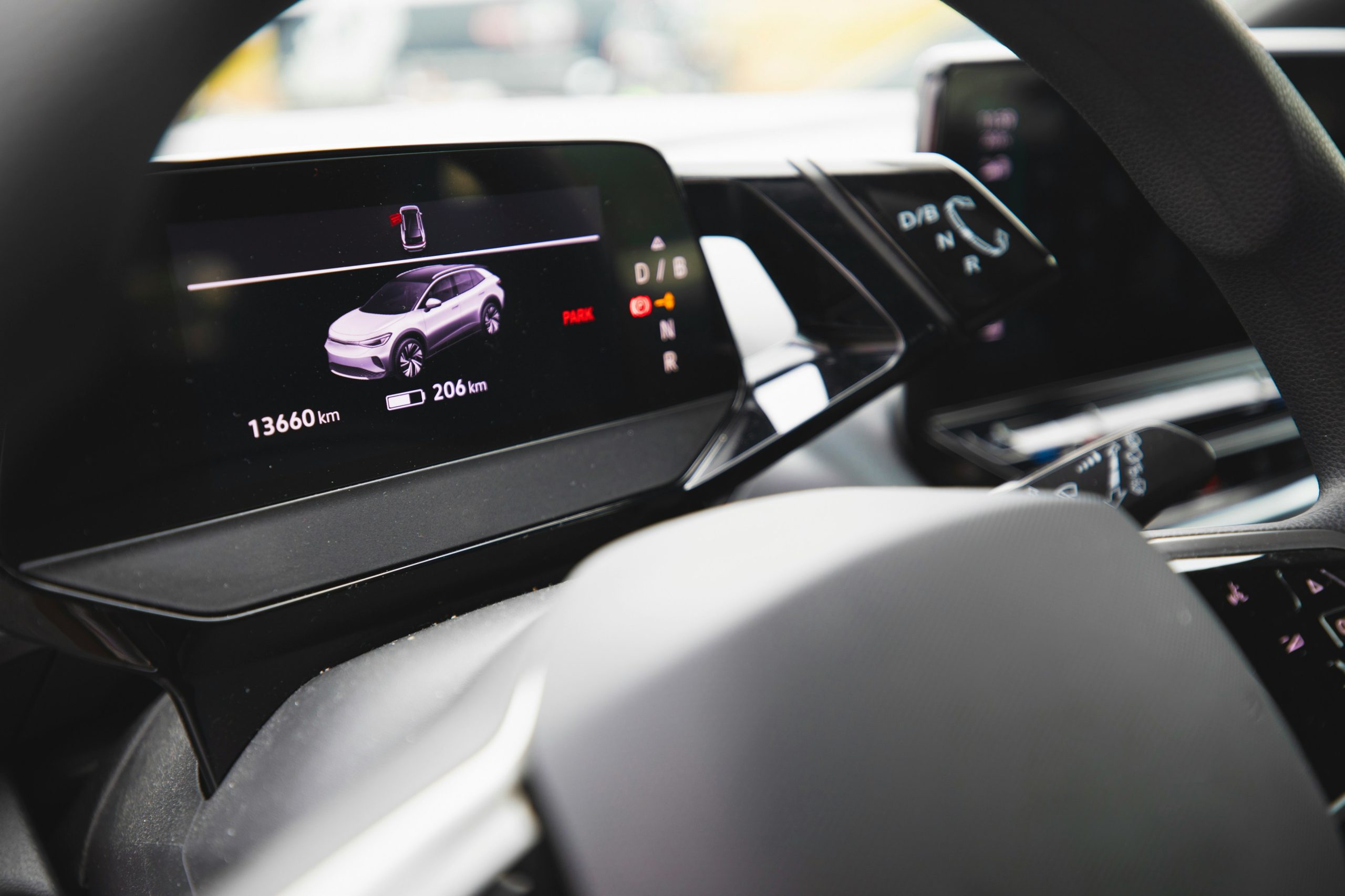
How to avoid battery drain
The best way to avoid having your electric car's battery run out on the road is to always be prepared for your journey. Thanks to the advanced technology in modern electric cars, this is no longer as much of a problem as it used to be. However, planning and preparation are still essential.
It is important not to charge your electric vehicle to 100% too frequently as this can damage the battery, reducing its life and range. Likewise, do not allow the battery to discharge to 0%, as this will also negatively affect its performance.
Planning long journeys
Electric cars are most likely to run out of power during long journeys if the route was not planned in advance or you did not take into account charging stations along the way.
Before you set off on your journey, carefully plan your charging stops. This will allow you to stop at charging stations along the way and not worry about running out of battery power. Using route planners such as PlugShare or ChargeMap will help you pinpoint the nearest charging stations along the way.
It may seem obvious, but it's worth charging your car to the maximum before a long journey. If you calculate the distance to your destination in advance and compare it with the range of your electric car, you can avoid the need for additional charging.
How to extend the range of an electric car
There's no way to directly extend the range of your electric car, but you can employ several strategies to maximise your driving time. It might not add hundreds of kilometres to your range, but it might give you enough energy to get to the nearest charging station.
To do this, use regenerative braking, slow acceleration and plan your route carefully, avoid steep hills and reduce speed. Switching off auxiliary functions such as the air conditioning or heater can also help save energy. Be aware of the air temperature as it can also affect the range. Limiting the weight of the vehicle is also an important factor, as the heavier the vehicle, the more energy it requires to move.
Reducing your speed will significantly reduce energy consumption. It is important to avoid high-speed sections of road, such as motorways, and to drive steadily to maximise the range.
Find charging stations
The infrastructure for charging electric cars is now rapidly developing in many countries, including Ukraine, and you will almost always find a charging station nearby. Ukrainian cities such as Kyiv, Lviv, Kharkiv and Odesa already have a fairly large number of charging stations.
In Ukraine, charging stations are appearing not only in cities, but also on major highways, which helps reduce the level of anxiety about the range. If your electric car signals a low battery, quickly use the app to find the nearest charging stations to get to them without any problems.

Use the ECOFACTOR app
At ECOFACTOR, we offer a handy app that will help you easily find the nearest charging stations throughout Ukraine. The app is available for iOS and Androidso you can plan your journeys and charge your car without worrying. Thanks to our map of charging stationsYou'll always know where the nearest charging points are, making your journeys more convenient and safe.
In addition, through our online shop you can buy the necessary accessories for electric cars, such as charging stations, cables, adapters and other accessories. All of our products meet high quality standards and provide you with the opportunity to charge your car conveniently and safely at home or on the road.
With the ECOFACTOR app, you can not only find charging stations, but also control the charging process, which will help you avoid unforeseen situations and make your trip even more comfortable.
How your electric car signals low battery level
Modern electric cars always warn you when the battery level is starting to drop and you should start looking for a charging station. Although the large range of modern electric cars reduces the risk of a complete discharge to a minimum, it can still happen.
Electric cars have different warning systems, but they all have some common signs that indicate a low battery.
- The battery indicator on the vehicle screen will alert you when the battery level is low.
- When the battery level drops below 5%, the vehicle's navigation system will find and direct you to the nearest charging station.
- Your electric vehicle will also show you the estimated range you can travel on the remaining charge.
- When the charge level reaches 0%, the system will switch to reserve mode. The backup energy will allow you to drive about 5-10 km more, which you need to use to get to the nearest charging station.
- Once the backup energy is used up, your electric vehicle will enter turtle mode. In this mode, your car will only be able to drive at speeds up to 30 km/h, and all additional functions except for the basic ones will be disabled. Hopefully, you'll be very close to a charging station at this point, as the turtle mode doesn't last long.
- After you have driven a few hundred metres in turtle mode, your vehicle will stop. However, even then, the 12-volt battery will still be working, allowing you to use the hazard warning lights and other basic safety features.
These warnings help you stay safe and find a charging station in a timely manner, significantly reducing the risk of being stranded in an unwanted location.
What to do if your electric car is left without a charge
If your electric vehicle runs out of power on the road, first of all, do not panic. Quickly pull over to the safe side of the road, where possible, and make sure the ground is level. Turn the wheels of your car off the road and apply the parking brake.
Once you have secured a vehicle, switch on your hazard lights to alert other drivers to your situation and avoid accidents. Use your phone or navigation device to pinpoint your location and record it for future reference.
Contact your roadside assistance service to report that you are out of charge and follow their instructions. You can also let friends or family know that your car has broken down and needs help.
What kind of assistance is provided on the road?
The type of assistance you receive and instructions may vary depending on your subscription to the respective emergency assistance company. Companies such as AutoExpert or Roadside Assistance offer towing services or provide enough charge to enable you to get to the nearest charging station on your own. In most cases, the assistance includes transporting your car from the accident site to the nearest charging station, where you can either fully charge the car or recharge it to a sufficient level to drive home.
Some companies do not transport the car, but provide enough charge to allow you to drive to the nearest charging station on your own.
Mobile chargers for electric cars
If you often find yourself in situations where there are no charging stations nearby, you may want to consider purchasing a mobile charger for your electric car.
These chargers are quite large and cost a lot - almost as much as a car battery - but for those who frequently travel long distances or in areas with less charging stations, it can be a very useful investment. If you use your mobile charger frequently, it can be a good investment, significantly reducing the time you have to wait for help on the road.
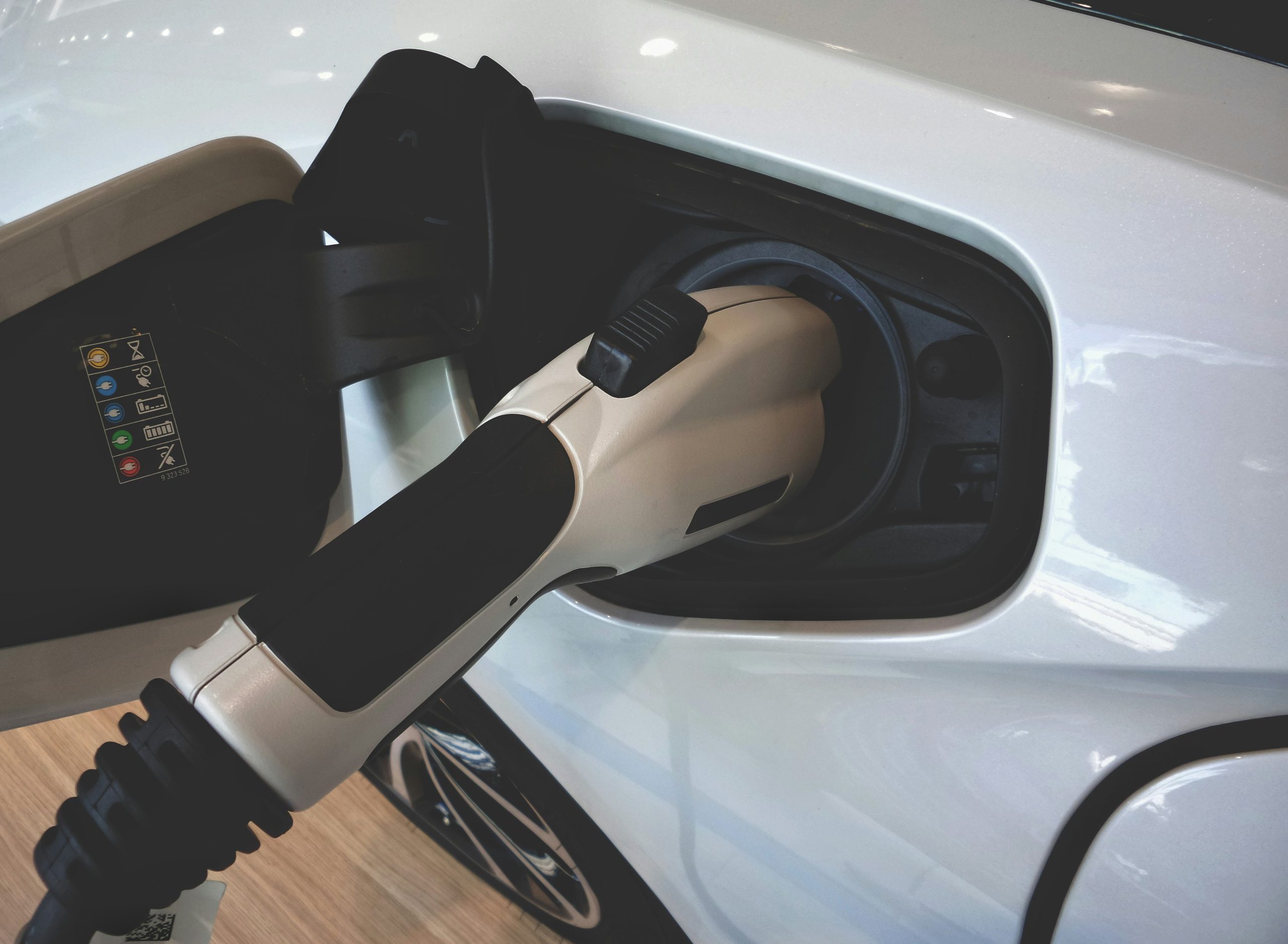
Is it possible to "recharge" an electric car with another car?
Yes, electric cars can be recharged from another vehicle, but this only applies to the 12-volt battery that is responsible for powering auxiliary functions such as the radio, windscreen wipers and seat heaters. This does not apply to the main lithium-ion battery, which keeps the car moving.
The 12-volt battery is used for non-driving functions and can be recharged using a traditional petrol or diesel vehicle. It is important to pay attention to the correct wiring and to read your vehicle's manual for the location of the batteries and how to connect the wires.
However, caution is advised as you should not charge an electric vehicle from another electric vehicle, nor should you charge petrol or diesel vehicles from electric vehicles. Doing so could seriously damage the 12-volt battery and cause other unpredictable damage.
Can I tow an electric car?
In general, electric cars cannot be towed because they do not have a neutral position in the transmission and the wheels are directly connected to the motors, so they rotate with the motors while driving.
If your car has no charge and you try to turn the wheels while towing it, the motors may overheat and cause serious damage. Typically, an electric car tow truck is used to tow electric cars, where the car is transported on a platform to avoid damage.
However, there are some models of electric cars, such as the Nissan Leaf, where only the front wheels can be raised, allowing the car to be towed without damaging the transmission. In such cases, towing is possible without any problems if the front wheels are raised and do not interact with the motors.
Never run out of power with ECOFACTOR
To avoid finding yourself in a situation where your electric car is left without a charge, it is important to prepare for your trips in advance and plan your routes with charging stations in mind. However, with the large number of charging stations and the constant development of infrastructure, the chance of being left without power is reduced if you plan your journeys properly.
If you pay close attention to your electric car's warnings, you don't need to worry about range anxiety. When your electric vehicle alerts you to a low charge, simply head to the nearest charging station.
If you don't know where the nearest charging point is, download the ECOFACTOR app, which gives you access to thousands of charging stations across Ukraine. With our app, you'll always know where to find the nearest charging point, so you can plan your trips without worrying.
Forget the stress of charging and download ECOFACTOR today!
Conclusion.
Electric cars continue to become more and more popular in Ukraine due to their environmental friendliness, efficiency and convenience. However, as with any other vehicle, it is important to plan your trips properly, especially when it comes to battery life. In this article, we've taken a closer look at how to avoid situations where your electric car's battery runs out, what to do if it does, and how to make the most of available charging stations.
Remember that planning your route and making the right use of your resources will help you avoid range anxiety. It is also important to be prepared for unexpected situations, have access to roadside assistance and know where the nearest charging stations are.
Frequently asked questions
How long can I drive an electric car after the battery level reaches 0%?
Once the charge level reaches 0%, most electric cars switch to backup mode, which allows you to cover another 5-10 km. After that, the system switches to turtle mode and the speed is limited to 30 km/h until you reach the nearest charging station.
Can I use a charging station from another car to recharge my electric car?
Recharging an electric vehicle from another vehicle is only possible for the 12-volt battery that supplies the vehicle's auxiliary systems, such as the radio and windscreen wipers. The main battery that powers the vehicle cannot be recharged in this way.
Can I tow an electric car?
In general, electric cars cannot be towed due to their drivetrain, but some models, such as the Nissan Leaf, allow the front wheels to be raised, allowing them to be towed without damage.
How can I find the nearest charging station?
Using the ECOFACTOR app, you can find the nearest charging stations across Ukraine. Our app gives you access to up-to-date information about the stations and allows you to plan your trips without stress.
3. How often do you need to charge an electric car?
It is best to charge an electric vehicle when the charge level drops to 20-30% to avoid damage to the battery that can occur when it is completely discharged to 0% or frequently charged to 100%.


