Table of contents:
Choosing an electric car today is rarely just about the numbers in the specifications. It is much more important to understand how the car behaves in real life: whether it is convenient to drive every day, how often you have to charge it, whether it does not create unnecessary minor hassles. This is exactly what the choice between the Xpeng G6 and the Tesla Model 3 looks like. On the one hand, there is a modern electric crossover with an emphasis on […]
This is what the choice between the Xpeng G6 and the Tesla Model 3 looks like. On the one hand, there is a modern electric crossover with an emphasis on comfort and space. On the other hand, there is a time-tested electric sedan that has long been a benchmark for many drivers. Both cars are electric, but they feel different and suit different lifestyles.
In this article, we will compare the Xpeng G6 and Tesla Model 3 without complicated terms and dry tables. Let’s talk about the range, charging, and overall experience as it looks like every day, not just on paper.
We remind you that you can purchase home and commercial
Car body and format: crossover versus sedan
Перше, що впадає в око – це різний формат cars. Xpeng G6 і Tesla Model 3 орієнтовані на різні сценарії використання, і це відчувається вже з перших поїздок.
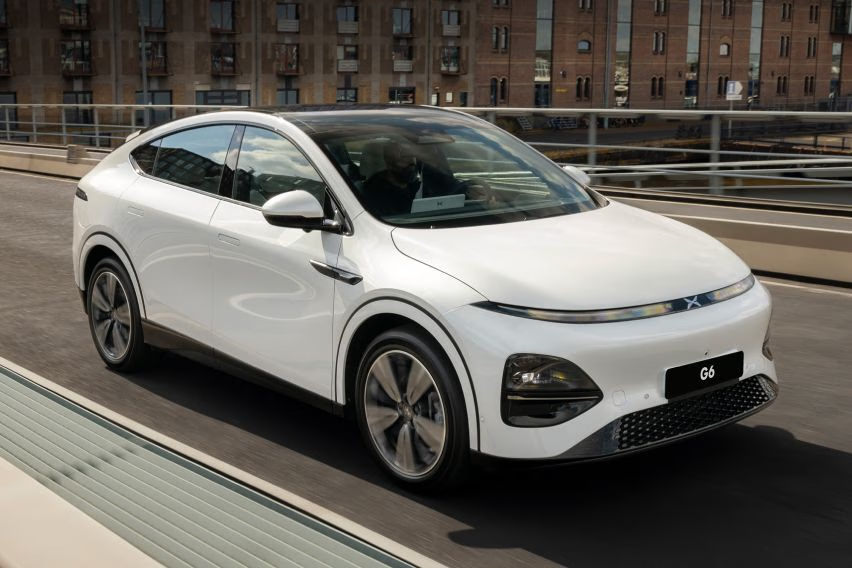
Xpeng G6 – електричний кросовер:
- higher seating position and better road visibility
- It is more convenient to get in and out of the car
- easier to drive on curbs and car parks
- more space in the cabin
- A more practical luggage compartment for family trips
Tesla Model 3 – електричний седан:
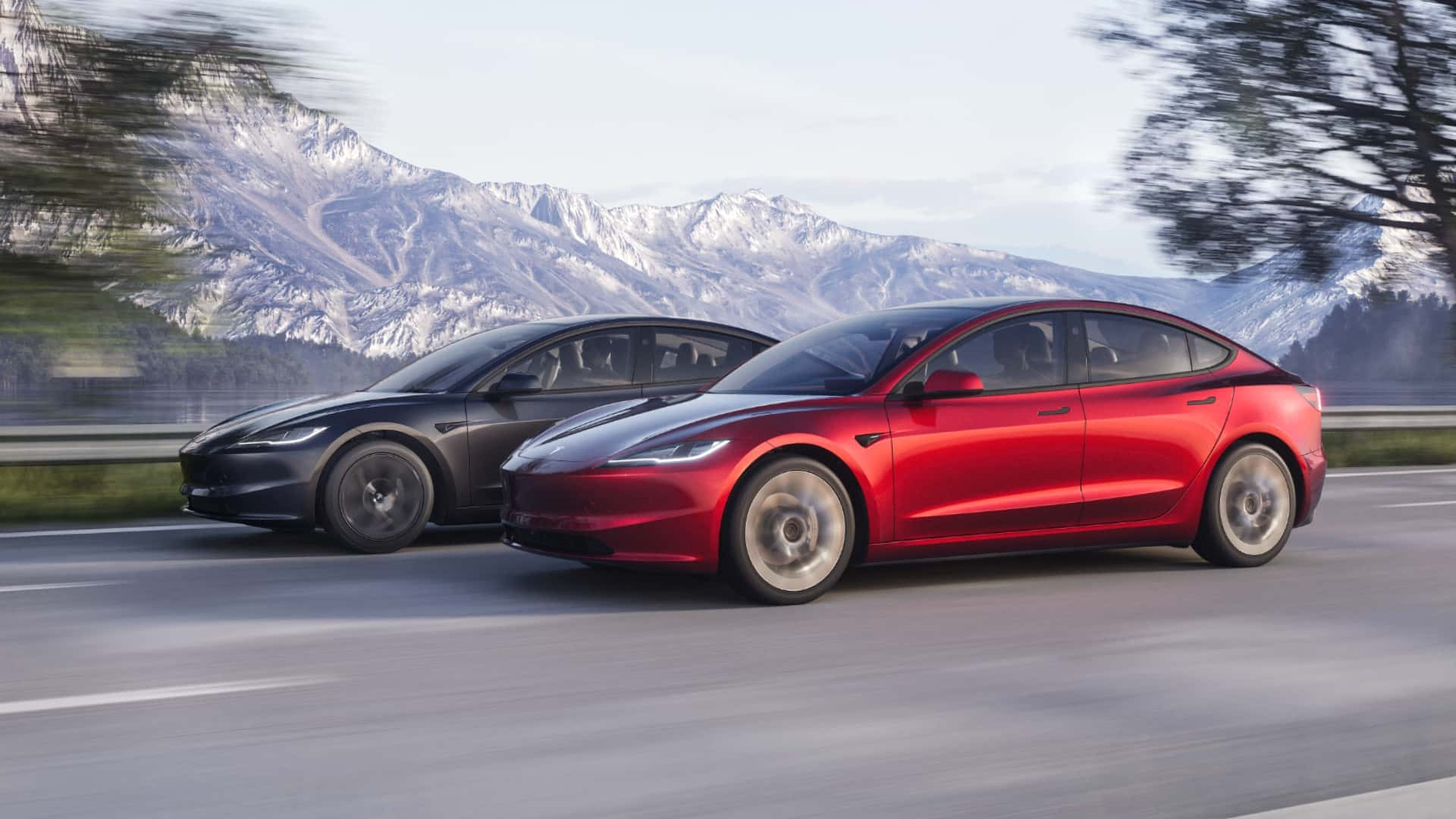
- Lower stance and more composed driving feel
- more compact dimensions for urban traffic
- easier to manoeuvre and park
- better suited for those who are used to passenger cars
- significantly less interior space compared to a crossover
The Xpeng G6 is larger and heavier, which gives it an advantage in terms of space and versatility. The Tesla Model 3, on the other hand, wins in terms of compactness, but is inferior in terms of space, especially for passengers in the second row.
Power reserve in real life
One of the main criteria for choosing an electric vehicle is the range. But it’s important to look at real-world conditions rather than official figures.
The Tesla Model 3 Standard Range Plus has a realistic range of about 350 km in mixed mode. In mild weather and a relaxed driving style, this figure can be higher, but in winter or on the highway it decreases significantly. At speeds of around 110 km/h in cold weather, the range can drop to around 250 km.
The Xpeng G6 RWD Standard Range in real life shows a range of around 225 miles, which is equivalent to around 360 km. In mild weather in the city, this figure can increase, but on the highway and in winter it also decreases. In cold conditions and at high speeds, the range can be closer to 260-300 km.
In the end, the difference between the models is not dramatic. Tesla wins slightly in efficiency, while Xpeng wins in battery size. In everyday use, both cars allow you to drive for several days without charging in city mode.
Efficiency and energy consumption
Tesla Model 3: minimal costs for daily trips
Tesla Model 3 is traditionally considered one of the most efficient electric vehicles. In real life, its average consumption is about 146 Wh per kilometre. In the city in mild weather, this figure can be even lower, while on the highway or in winter, consumption increases significantly.
Xpeng G6: higher costs due to crossover format
The Xpeng G6 consumes more energy. Its average consumption in mixed mode is around 290 Wh per mile. This is to be expected given the higher weight and crossover format. When driving on the highway at high speeds, energy consumption increases even more.
What it means in practice
In actual use, the Tesla Model 3 will be slightly cheaper to operate in terms of electricity consumption. At the same time, the difference is not critical, especially if you charge the car at home or use nighttime tariffs.
Charging at home and on the go
Charging Tesla Model 3 at home
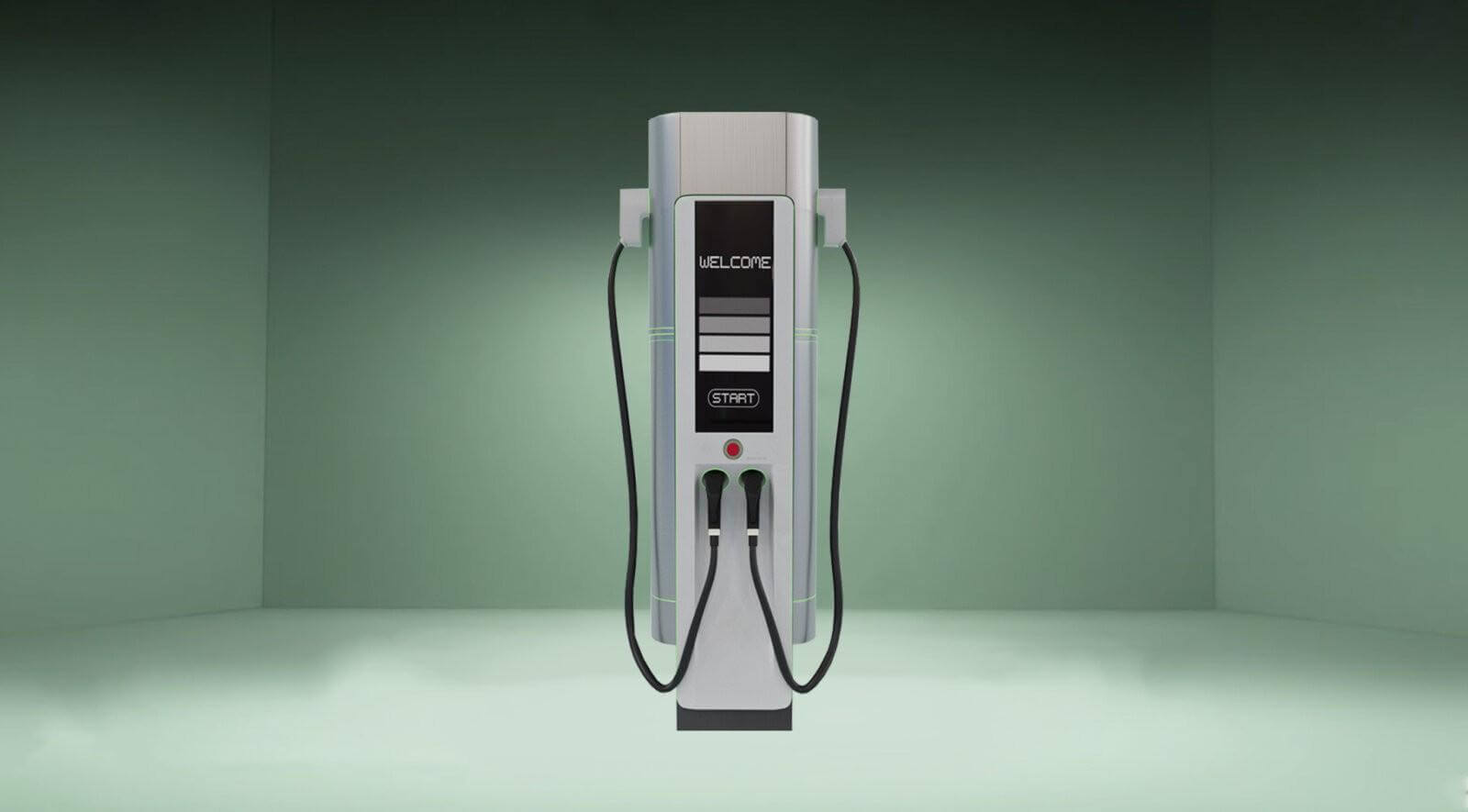
For everyday life, charging at home is often more important than fast charging stations. The Tesla Model 3 supports AC charging with a capacity of up to 11 kW. With a three-phase connection, the battery can be charged from zero to full in about 5.5 hours. This is convenient for overnight charging when the car is just parked.
Under normal conditions, when using a standard socket or single-phase connection, the process is delayed. A full charge can take more than a day, so it is advisable to have at least a wall charging station for comfortable use. In city mode, this is usually enough, as daily driving rarely depletes the battery completely.
Зарядка Xpeng G6 вдома: більше ємності – більше часу
The Xpeng G6 also supports AC charging up to 11 kW, but due to the larger battery capacity, a full charge takes around 7 hours with a three-phase connection. In real life, this means that the car can be charged overnight without any problems, provided there is the right infrastructure.
However, most home connections operate at 7.4 kW. In this mode, the charging time increases to 10 hours or more. This is not a problem in daily use, but it does require a little more planning, especially if the car is used daily and with high mileage.
Fast charging on the go: stop without delay
When travelling long distances, fast charging is essential. This is where the Xpeng G6 has a slight technical advantage. The maximum fast charging power reaches 215 kW, which allows you to charge the battery from 10 to 80 percent in about 20-25 minutes. During this time, you can grab a snack or drink coffee without feeling like a long pause.
The Tesla Model 3 supports fast charging with a maximum power output of around 170 kW. The charging time from 10 to 80 percent is also about 20-25 minutes. In practice, the difference between the models is hardly noticeable, as the charging speed depends not only on the car but also on the station, battery temperature and charge level.
What it looks like in everyday use
In real life, both cars are well adapted to daily driving. Home charging covers most of the needs, and fast charging stations allow you to plan long routes without stress. The difference between the Xpeng G6 and Tesla Model 3 is felt more in the format of the car than in the charging itself.
Both models do not make you think about the battery all the time, if the use is organised correctly. This is, in fact, the main indicator of the convenience of an electric vehicle.
Charging infrastructure for Xpeng G6 and Tesla Model 3 in Ukraine
When choosing an electric car, it is important to understand not only the characteristics, but also where and how to charge it every day. For owners of Xpeng G6 and Tesla Model 3, this issue is equally relevant, which is why ECOFACTOR is developing a charging infrastructure that is convenient for home, city and travel.
Ours charging stations проходять complete цикл – from розробки до обслуговування. Ми пропонуємо AC-рішення потужністю up to 44 kW and DC stations up to 420 kW для швидкої зарядки в дорозі. Мережа ECOFACTOR вже об’єднує понад 3 500 зарядних портів по всій Україні, тож find найближчу точку зарядки стало значно простіше.
For drivers, the ECOFACTOR mobile app is available for
Works for home and business online shop ECOFACTOR, which contains chargers, as well as cables and adapters for different usage scenarios. It is easy to find a solution for your personal garage, office or corporate fleet.
As a result, ECOFACTOR offers not just charging stations, but a convenient ecosystem for Xpeng G6 and Tesla Model 3 owners that makes using an electric vehicle easier in everyday life.
Long-distance travel
When travelling, it’s not just the range that matters, but also the overall pace of movement.
Both models have a long-distance rating of 2.5 out of 5. This means they are suitable for travelling, but they are not record-breaking in this class.
The Tesla Model 3 usually wins due to better efficiency and stable navigation performance, taking into account the charges. One short charge allows you to drive enough to avoid feeling constant pressure through the battery.
The Xpeng G6 compensates for the lower efficiency with faster charging and a more comfortable fit. Over a long distance, this can be more important than a few extra kilometres of range.
Dynamics and feel behind the wheel
Tesla Model 3 feels faster from the first metres. Acceleration to 100 km/h takes about 5.6 seconds, but it’s not the number itself that matters, it’s the car’s response. The car instantly responds to the accelerator pedal, easily gains speed and feels confident both in city traffic and on the highway.
The low centre of gravity makes for more composed driving. The Tesla holds the road well, responds to the steering wheel clearly and gives you a sense of control even at high speed. For drivers who enjoy active driving and fast manoeuvres, this is a clear advantage.
The Xpeng G6 accelerates more slowly, in about 6.9 seconds to 100 km/h, but in real life this difference is almost not a problem. The crossover does not try to be sporty, its character is more calm and balanced. Acceleration is smooth, without jerks, which is good for everyday driving.
The Xpeng G6 feels softer behind the wheel. The suspension copes better with bumps, especially on bad roads. The car transmits less small vibrations to the cabin, so the ride seems more relaxed. This is important for those who spend a lot of time behind the wheel or often travel with passengers.
Ultimately, the choice depends on your driving style. If dynamics, clear reactions and a sense of lightness are important, the Tesla Model 3 will be more interesting. If comfort, smoothness, and a calm ride are in the forefront, the Xpeng G6 looks like a more logical option.
Comfort and space in the cabin
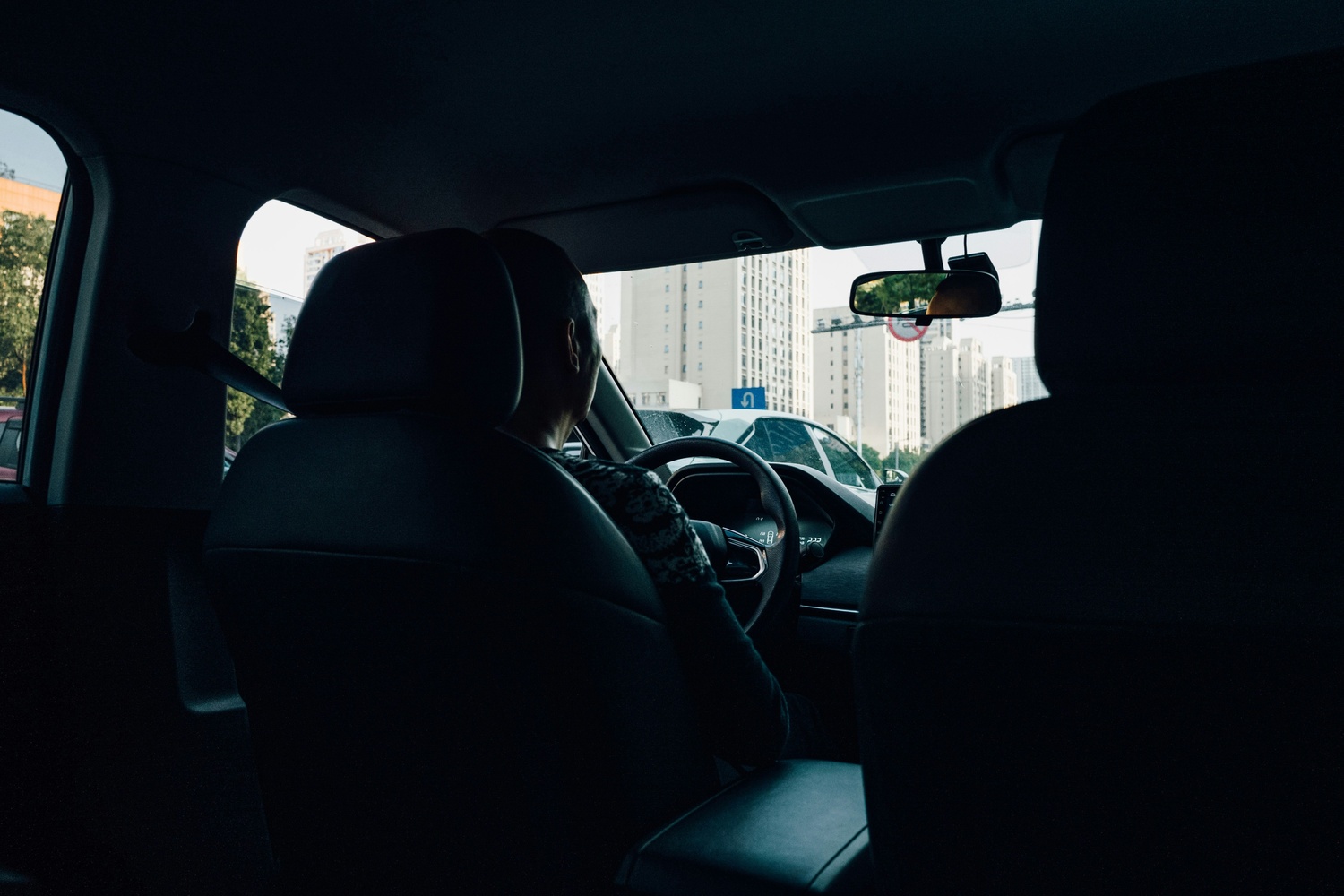
The Xpeng G6 is a clear winner in terms of spaciousness. The higher seating position creates more freedom for the driver and passengers, and the cabin feels brighter and more spacious. Even adult passengers are more comfortable in the second row, which is especially noticeable on long journeys.
The boot of the Xpeng G6 is larger and more practical. It is better suited for carrying suitcases, prams or shopping. For family use or an active lifestyle, this factor is of great importance.
Tesla Model 3 has a more minimalist and restrained interior. There is no feeling of excess space here, but it is quite enough for daily travel. The ride height is lower, which will appeal to those who are used to cars and appreciate a sportier feel.
But Tesla feels more compact and easier to drive. In the city, this makes it easier to park and manoeuvre in tight yards or on busy streets. For one or two passengers and daily commuting, this is often a plus.
Security.
Both cars have high safety ratings according to Euro NCAP. The Tesla Model 3 demonstrates very strong adult occupant protection and effective driver assistance systems. This gives you confidence when driving both in the city and on the highway.
The Xpeng G6 also performs well, particularly in the category of protecting vulnerable road users. The car is equipped with modern active safety systems that help avoid dangerous situations in everyday traffic.
In real life, this means that both cars offer a high level of protection for the driver and passengers. The difference between the two is not critical, and from a safety perspective, both can be considered reliable for everyday use.
For whom each model is suitable
Tesla Model 3 is suitable for those who:
- Drives around the city a lot
- Values efficiency and dynamics
- wants a compact and predictable car
- does not require large ground clearance and space
Xpeng G6 is suitable for those who:
- wants a crossover format
- appreciates comfort and space
- frequently travels with passengers or luggage
- plans to use the car for travelling and family trips
The comparison table below will allow you to quickly assess the key parameters and see how these differences look in practice.
| Parameters. | The Xpeng G6 RWD Standard Range is a mid-sized electric SUV. It is neither a compact city crossover nor a large family flagship. Its format is designed for universal use. | Tesla Model 3 Standard Range Plus |
| Body type | Crossover | Saloon |
| Landing. | High, comfortable to sit on | Lower, more sporty |
| Real power reserve | Approximately 360 km | About 350 km |
| Efficiency | Lower due to higher weight | Higher, more economical |
| Acceleration 0-100 km/h | Approx. 6.9 s | Approx. 5.6 s |
| Riding style | Smooth, calm | Dynamic, focused |
| Comfort on uneven roads | Best | Tougher |
| Space in the cabin | More space for passengers | Less space |
| Trunk | Bigger and more practical | Smaller |
| Home charging (AC) | Up to 11 kW | Up to 11 kW |
| Fast charging (DC) | Up to 215 kW | Up to 170 kW |
| Charging time 10-80% | 20-25 minutes | 20-25 minutes |
| Suitability for travel | Medium | Medium |
Conclusion
Xpeng G6 and Tesla Model 3 – це два різні підходи до electric vehicle. Tesla робить ставку на ефективність, динаміку і перевірені рішення. Xpeng пропонує більше простору, комфортнішу посадку і сучасний кросоверний формат.
In real life, none of the options is unequivocally better. It all depends on how you plan to use the car. If you need a versatile crossover for a family, the Xpeng G6 looks logical. If compactness, efficiency and drive are important, the Tesla Model 3 remains a strong choice.
Frequently asked questions
What is better to choose for the city: Xpeng G6 or Tesla Model 3?
For the city, the Tesla Model 3 will usually be more convenient. It’s more compact, easier to park, and feels better in heavy traffic. The Xpeng G6 is also suitable for city trips, but due to its larger dimensions, it may be less convenient in tight yards and narrow streets.
Which car is more comfortable for everyday use?
Xpeng G6 wins in terms of comfort. Higher seating position, softer suspension and more interior space make it more comfortable for relaxing trips and carrying passengers. The Tesla Model 3 feels stiffer but more composed behind the wheel.
Who has the best range in real life?
In real-world conditions, the difference is small. The Tesla Model 3 is slightly more efficient and can travel more on one kilowatt, and the Xpeng G6 compensates for this with a larger battery. In the city, both cars allow you to drive for several days without charging.
Which electric car charges faster?
At fast charging stations, the Xpeng G6 has a higher maximum charging capacity. However, in practice, the charging time from 10 to 80 per cent is almost the same for both models, at around 20-25 minutes. For daily use, the difference is minimal.
Are the Xpeng G6 and Tesla Model 3 suitable for long journeys?
Yes, both cars are suitable for travelling, but they don’t set any records. They have an average long-distance capability. Trips are stress-free, but with regular stops for charging.