

Table of contents:
The choice between an electric vehicle and a petrol car is becoming increasingly important, especially as fuel prices rise and environmental standards become more stringent. Some drivers choose electric cars because of their economy and environmental friendliness, while others remain loyal to traditional internal combustion engines because of their autonomy and developed infrastructure. In this article, we will compare the advantages and disadvantages of each type of car in detail to help you make the right choice. We remind you that you can buy both domestic and commercial vehicles charging stations in our online storeand use our public charging stations ECOFACTORlocated throughout Ukraine. For easy access to charging, you can use our applicationavailable for the following platforms iOS and Android.

Cost of purchase and operation
The cost of a car is not only the initial price, but also the costs of fuel or charging, maintenance, insurance and possible government subsidies. In this section, we will look at all the key aspects to assess the real economic benefits of electric cars and petrol cars.
The initial cost of the car
The price of electric vehicles
Electric cars are usually more expensive than petrol cars due to the high cost of batteries. For example, an average new electric car in 2025 will cost between $30,000 and $50,000, while a petrol equivalent can be purchased for $20,000 to $40,000.
However, some countries encourage the transition to electric transport by offering subsidies, tax breaks and free access to public charging stations. As a result, the final cost of an electric vehicle can be significantly reduced.
The price of petrol cars
Petrol cars have a lower starting price, especially when it comes to budget models. Also, the choice of used petrol cars is much wider, which allows you to find an option for much less money.
The initial price of petrol cars is lower, but subsidies for electric cars can make them more affordable.
Fuel and charging costs
Electricity costs
Charging an electric vehicle is cheaper than refuelling with petrol. For example, it costs about $6-10 to charge a 60 kWh battery (range of about 400 km), depending on electricity tariffs.
If the owner of an electric vehicle has solar panels or a night-time electricity tariff, costs can be further reduced.
Petrol costs
Середній витрата бензину – 6-10 літрів на 100 км, що при ціні 1,5 долара за літр означає 9-15 доларів на 100 км. У річному вимірі бензиновий автомобіль витрачає значно більше коштів, ніж електрокар.
Comparison of annual costs:
- Electric car: approximately $500-1000 for charging.
- Petrol car: from $1500 to $3000 for fuel.
In the long term, an electric car is much more cost-effective in terms of energy costs.

Maintenance and repair
Maintenance of electric vehicles
Electric vehicles have significantly fewer moving parts and therefore require less maintenance. They have no oil to change, spark plugs, timing belts or complex gearboxes. The main costs are:
- Change the brake fluid periodically.
- Check the chassis and battery cooling system.
- The battery can be replaced after 8-15 years of operation.
Maintenance of petrol cars
Petrol cars require regular maintenance, which includes:
- Change engine oil and filters (every 10,000-15,000 km).
- Replacement of spark plugs, timing belts, air filters.
- Maintenance of the gearbox.
A petrol car can cost $500-1500 per year to maintain, while an electric car can cost $100-500.
Electric vehicles are cheaper and easier to maintain because they have fewer wearing components.
Insurance and depreciation
The cost of insurance
Electric vehicles usually have a higher insured value because they are more expensive to repair, especially in the event of battery damage. However, as the market develops, insurance prices are gradually coming down.
Depreciation and amortisation
Electric cars have a better residual value as the used electric car market is growing. Petrol cars are losing value faster due to the growing demand for electric vehicles.
Insuring electric vehicles may be more expensive, but they retain their market value better.
From a financial point of view, electric cars are more profitable in the long run, although the initial price may be higher. Charging, maintenance and depreciation costs are significantly lower than for petrol cars. However, you should take into account the infrastructure of charging stations and the availability of subsidies in your area.
Environmental friendliness
One of the main arguments in favour of electric vehicles is their positive impact on the environment. However, the environmental friendliness of a vehicle depends not only on its emissions during use, but also on its production, disposal and environmental impact throughout its entire life cycle. Let’s look at all the key aspects.
Emissions during operation
Emissions from electric vehicles
Electric cars do not have an exhaust system, which means that they do not emit CO₂, NOₓ, SO₂ and other harmful substances that cause smog and acid rain. As a result, they reduce air pollution in cities.
However, it is important to consider the source of electricity used to charge the vehicle. If the electricity is generated using coal or fuel oil, indirect CO₂ emissions can still be significant. In countries where solar, wind, or hydroelectric power plants dominate, the environmental impact of electric vehicles is minimal.
Emissions from petrol cars
Petrol cars burn fuel, which leads to the formation of CO₂, nitrogen oxides (NOₓ), carbon monoxide (CO) and particulate matter (PM2.5, PM10). These substances not only contribute to the greenhouse effect, but also have a harmful effect on human health, causing respiratory diseases.
Emissions associated with oil production, transportation and refining should also be taken into account. Oil production is often accompanied by leaks that pollute oceans and ecosystems.
Electric vehicles are much cleaner to use, but their level of environmental friendliness depends on the source of electricity.
Car manufacturing
The impact of electric vehicle production
The biggest environmental challenge for electric vehicles is the production of batteries. Key issues:
- The extraction of lithium, cobalt and nickel for batteries causes the destruction of ecosystems, depletion of water resources and soil pollution.
- The carbon footprint of electric vehicles (especially due to batteries) is higher than that of petrol cars.
However, modern technologies are aimed at reducing the amount of rare earth metals in batteries and increasing their production efficiency.
Impact of petrol car production
The production of petrol cars is also associated with significant CO₂ emissions, but they are lower than those of electric cars at the production stage. However, the environmental costs of extracting, refining and transporting oil for fuel must be taken into account.
The production of electric vehicles has a larger initial environmental footprint due to the batteries, but their long-term operation compensates for this negative impact.
Disposal and recycling
Problems with battery recycling
Spent batteries contain toxic substances, and their improper disposal can lead to environmental pollution. However, battery recycling technologies are now being developed that allow for the reuse of lithium, cobalt and nickel.
There is also the practice of reusing batteries, for example, in energy storage systems for solar and wind power plants.
Disposal of petrol cars
Petrol cars have more mechanical parts that can be recycled (metal, plastic), but the main problem is waste oil, filters and toxic liquids. Their improper disposal causes soil and water pollution.
Recycling of electric vehicles is more difficult because of the batteries, but new technologies are gradually solving this problem.

Impact on the urban environment
Clean air and noise pollution
Electric vehicles not only reduce air pollution but also operate much quieter than petrol cars. This has a positive impact on the quality of life in cities by reducing noise levels.
Petrol cars and urbanism
Large cities are increasingly imposing restrictions on the entry of petrol cars into central areas due to their negative environmental impact.
Electric vehicles contribute to a cleaner and more comfortable urban environment.
Electric cars are more environmentally friendly than petrol cars, especially if the electricity comes from clean sources. Although they produce more emissions, they significantly reduce air pollution and noise levels in cities.
The main challenge is the extraction of resources for batteries and their disposal, but advances in technology are making electric vehicles more environmentally friendly. In the future, the shift to recyclable batteries and clean energy will make them an even more sustainable choice.
Ease of use
One of the key aspects of choosing between an electric vehicle and a petrol car is comfort and ease of use. Drivers evaluate vehicles not only on the basis of cost and environmental friendliness, but also on how convenient they are to use in everyday life. In this section, we will look at the advantages and disadvantages of each type of car in terms of comfort of use.
Refuelling and charging
Charging an electric vehicle
Основна відмінність electric vehiclesв – це спосіб їхнього поповнення енергії. Замість заправки на АЗС електрокар потрібно заряджати від електромережі. Існує кілька варіантів charges:
- Home exercise (the most convenient option, but requires the installation of a charging station).
- Public charging stations (available in major cities, but sometimes can be busy).
- Fast charging stations (allow you to charge a car up to 80% in 20-40 minutes, but there are fewer of them than usual).
Головний виклик – час charges. Навіть на швидкісній stations це займає значно більше часу, ніж заправка бензинового авто.
Refuelling a petrol car
Petrol cars have a significant advantage in the form of instant refuelling – the process takes 3-5 minutes. There are petrol stations everywhere, even in the most remote settlements.
Petrol cars have the advantage of being quicker to refuel, but the ability to charge an electric car at home makes it much easier to operate.
Range of travel
Range of electric vehicles
Modern electric vehicles have a range of 200 to 600 km on a single charge, depending on the model. However, actual mileage may vary due to:
- Air temperature (frost reduces battery efficiency).
- Speed of movement (at high speeds, the charge is consumed faster).
- Use of climate control and heating.
For long journeys, drivers need to plan their routes in advance, taking into account the availability of charging stations.
Range of petrol cars
Petrol cars have a range of 600-1000 km on a single tank, making them more convenient for long journeys. Petrol stations are also available in any region, reducing the risk of running out of fuel.
For short city trips, an electric car is ideal, but for long journeys, a petrol car is still the winner.
Service and maintenance
Maintenance of electric vehicles
Electric cars have fewer moving parts, which reduces the risk of breakdowns. Main advantages:
- No internal combustion engine (no need for oil, timing belts, etc.).
- No exhaust system (no need to change the catalyst or muffler).
- Less strain on the brakes (thanks to regenerative braking).
The main technical challenge is replacing the battery, but modern batteries are designed to last 8-15 years.
Maintenance of petrol cars
Petrol cars require regular maintenance, which includes:
- Change of engine oil, filters, belts.
- Exhaust system monitoring.
- Regularly check the gearbox.
These procedures can be costly and frequent, especially for used cars.
Electric vehicles require less maintenance, making them more convenient in the long run.
Comfort while driving
The feeling of driving an electric car
Electric cars provide smooth driving, instant torque and quiet operation. Thanks to the absence of a gearbox, there is no jerking when accelerating, and the accelerator pedal responds instantly.
Electric vehicles also have a low centre of gravity, which improves handling and stability on the road.
The feeling of driving a petrol car
Petrol cars have familiar handling, which can be important for conservative drivers. They offer longer range without refuelling and better endurance at high speeds.
However, such cars are noisier and require shifting gears (in the case of a manual transmission).
Electric vehicles benefit from smooth driving and quietness.
Availability of charging infrastructure
Charging stations for electric vehicles
In large cities, the number of charging stations is growing, but in smaller towns and rural areas, they may not be available. This creates certain limitations for electric car owners.
There are mobile chargers that allow you to charge your car from a regular outlet, but it takes longer.
Petrol stations for petrol cars
Petrol stations are available at every turn, making petrol cars more practical for travelling to remote regions.
The infrastructure for electric vehicles is developing rapidly, but petrol cars still have an advantage in terms of accessibility to petrol stations.
Electric vehicles are much more convenient to use on a daily basis thanks to their low maintenance, the ability to charge at home and smooth handling. They are ideal for urban environments and short trips.
However, petrol cars are still more practical for long journeys due to their long range and the availability of petrol stations. The development of charging infrastructure is gradually solving this problem, making electric cars more and more convenient.

ECOFACTOR – інноваційні рішення for charging electric vehiclesв
We are in ECOFACTOR We develop and implement modern solutions for charging electric vehicles to make electric transport even more convenient, affordable and efficient. Our mission is to promote the development of sustainable transport by providing drivers with reliable charging stations and intelligent energy management technologies. Our cables and adapters comply with the most advanced European quality standards, which guarantees safe, fast and efficient charging of your electric vehicles.
Our key advantages
- Smart charging stations – інтегровані IoT-рішення дозволяють контролювати зарядку through mobile application and оптимізувати витрати електроенергії. Ви маєте можливість стежити за станом заряджання through mobile application, available for iOS and AndroidThe system provides accurate data on charge level, charging speed and energy consumption.
- Fast charging – наші charging stations support high-speed charging standards, which significantly reduces the time it takes to replenish energy.
- Flexibility in installation – пропонуємо рішення для домашнього використання, бізнесу and громадської інфраструктури.
- Energy efficiency – інтеграція з відновлюваними джерелами енергії and оптимальне керування навантаженням на електромережу.
- Support and service – забезпечуємо гарантійне and післягарантійне обслуговування, консультації and технічну підтримку.
ECOFACTOR is actively working on the development of infrastructure for electric cars, creating map of charging stationsThe company has developed a range of charging solutions that allow drivers to not only charge their vehicles efficiently, but also have access to safe and convenient technology. Here are some of the key benefits of our solutions:
Maintenance and repair
Maintenance and repair costs are one of the key factors that influence the choice between an electric vehicle and a petrol car. Differences in design, number of moving parts, and type of energy source significantly affect the owner’s costs in the long run. In this section, we will look at the maintenance features of each type of car, their reliability and possible costs.
Frequency and cost of maintenance
Electric vehicles
Electric cars have significantly fewer moving parts than traditional cars with an internal combustion engine. This means they are less likely to require maintenance. Main advantages:
- No complex engine (no need to change oil, belts, spark plugs, etc.).
- Simplified transmission (no multi-speed gearbox, which reduces the number of possible breakdowns).
- Using an electric motor that has high efficiency and does not require complex maintenance.
- Lower brake load due to the regenerative braking system (this reduces wear on brake pads and discs).
Typical maintenance costs for an electric vehicle:
- Заміна гальмівної рідини – раз на 2-3 роки.
- Software updates – безкоштовно through мережу (OTA updates).
- Check the battery coolant every 4-5 years.
- Перевірка and заміна шин – за потреби, аналогічно бензиновим авто.
Petrol cars
ICE vehicles are more complex, requiring regular maintenance of numerous components. Main costs:
- Changing the engine oil – кожні 10 000-15 000 км.
- Change the air and fuel filters – кожні 15 000-30 000 км.
- Replacing the timing belt (gas distribution mechanism) – кожні 80 000-120 000 км (високовитратна процедура).
- Maintenance of the exhaust system (catalyst, muffler) – при зносі або виході з ладу.
- Checking and repairing the gearbox – особливо актуально для автоматичних трансмісій, які потребують заміни масла and можуть виходити з ладу through складну конструкцію.
Electric vehicles require significantly less regular maintenance, while petrol cars have more consumable components that require constant attention.
Reliability and wear of parts
Wear and tear of parts in electric vehicles
Because electric vehicles do not have many of the components that wear out in petrol cars, they have a higher level of reliability. The absence of an internal combustion engine and gearbox reduces the number of possible malfunctions.
The only critical element of an electric vehicle that is subject to wear and tear is the traction battery. Although modern batteries are designed to last 300,000 to 500,000 km, they can lose capacity over time (2-3% per year on average).
Wear and tear of parts in petrol cars
Petrol cars lose performance over time due to the wear and tear of many mechanical parts. The main problems that can occur:
- Clogging of the fuel system that affects engine performance.
- Wear of the piston rings, which leads to increased oil consumption.
- Gearbox breakdown due to high mileage.
- Failure of the catalyst, which requires expensive repairs.
Electric vehicles are generally more reliable because they have fewer critical components that can fail.
Repair and warranty costs
Electric vehicle repair costs
The main cost item in the event of a serious breakdown of an electric vehicle is the repair or replacement of the battery. If the battery fails after the warranty period has expired, it can cost between $5,000 and $15,000 to replace, depending on the model.
However, most manufacturers provide a battery warranty for 8-10 years or 160,000-240,000 km.
Less significant costs:
- Відновлення електромоторів – рідко потрібне, оскільки вони дуже надійні.
- Дрібні електронні несправності – виправляються програмними оновленнями.
- Replacing individual battery modules is cheaper than replacing the entire battery.
Costs of repairing petrol cars
Repairs to petrol cars can be much more frequent due to the large number of mechanical components. The main expensive breakdowns:
- Engine repair – при серйозному зносі can коштувати $2 000-$5 000.
- Replacing the gearbox – від $3 000 до $7 000 для автоматичних трансмісій.
- Repair of the fuel system – заміна паливного насоса або інжекторів can обійтися в $500–$2 000.
The warranty for petrol cars is usually 3-5 years or 100,000-150,000 km, after which all costs are borne by the owner.
Electric vehicle repairs can be expensive when it comes to the battery, but the overall breakdown rate is lower. Petrol cars require regular maintenance, which creates more costs in the long run.
Insurance features
The cost of insurance depends on many factors, including the reliability of the car and the cost of its repair.
Electric vehicle insurance
- Higher than petrol cars due to the higher cost of bodywork and batteries.
- A battery warranty can reduce insurance premiums.
- Less chance of serious mechanical breakdowns.
Insurance of petrol cars
- It is usually lower than that of electric cars due to more common and cheaper repairs.
- A higher frequency of mechanical breakdowns increases the risk of additional costs.
Electric vehicle insurance can be more expensive due to the cost of repairs, but fewer malfunctions can reduce the overall cost to the owner.
Electric vehicles are more cost-effective to maintain, as they have fewer wearing parts, require minimal maintenance and are less likely to break down. However, their main weakness is the battery, which can be expensive to replace after the warranty period has expired.
Petrol cars require constant maintenance, have more consumable components and can become significantly more expensive to run over time. Owners of ICE cars should be prepared for more frequent breakdowns and higher repair costs.
Government incentives and the future of technology
The development of electric vehicles is largely dependent on government support and technological progress. Many countries encourage the transition to electric transport through tax breaks, subsidies, environmental programmes and investments in charging station infrastructure. At the same time, technological breakthroughs in batteries, artificial intelligence and alternative energy sources are shaping the future of electric vehicles and their competitiveness compared to traditional cars.
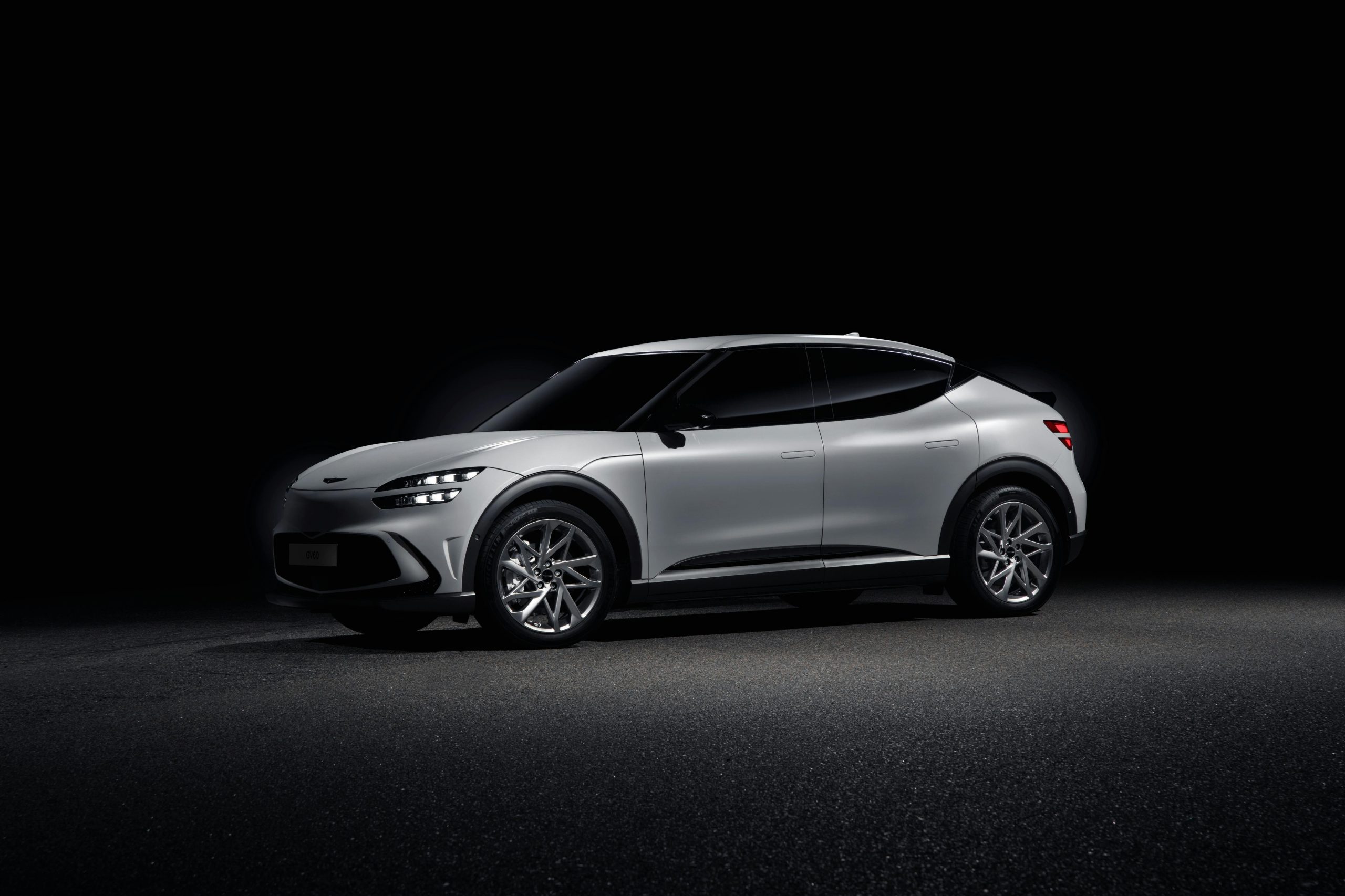
Government incentives for owners of electric vehicles
Governments in many countries are using various methods of support to make electric vehicles more accessible to the general public. These incentives can be divided into financial and infrastructural.
Financial incentives
Purchase subsidies – в деяких країнах electric vehicles отримують пряму фінансову допомогу, що знижує їхню кінцеву вартість для покупця. Наприклад:
- USA – федеральний податковий кредит до $7 500.
- Німеччина – субсидія до €4 500 на нові electric vehicles.
- France – знижка до €5 000 на електрокар.
Tax exemption – у багатьох країнах власники electric vehiclesв не сплачують або платять менший податок на реєстрацію and володіння авто. Наприклад:
- In Norway, electric vehicles are exempt from VAT (25%) and registration fees.
- In the UK, EV owners do not pay road tax (Vehicle Excise Duty).
Reduced electricity tariffs – у ряді держав існують спеціальні тарифи на нічну зарядку електрокарів, що дозволяє суттєво економити.
Concessional loans and leasing – деякі банки and фінансові установи пропонують знижені ставки на кредити and лізинг electric vehiclesв.
Infrastructure incentives
- Free or discounted parking – у багатьох містах EV отримують безкоштовні або знижені тарифи на паркування.
- Access to public transport lanes – дозволяє власникам електрокарів швидше пересуватися у години пік.
- Investments in charging stations – держави активно розширюють мережу громадських charging stations. Наприклад, European Union виділяє мільярди євро на встановлення швидкісних charging stations вздовж автострад.
- Ban on petrol cars – у деяких містах (Лондон, Париж, Амстердам) планується обмеження або повна заборона на в’їзд cars з двигуном внутрішнього згоряння в центральні райони.
Government incentives significantly reduce the cost of owning an electric vehicle and make them more attractive than traditional cars.
The future of electric vehicle technology
The technological development of electric transport is rapid, and in the coming years we will see significant changes in the following areas:
Battery technology
- Solid-State Batteries – promise збільшену щільність енергії, швидшу зарядку and довший термін служби. Такі компанії, як Toyota, QuantumScape and Samsung, активно працюють над цими технологіями.
- Batteries based on silicon and graphene – можуть значно підвищити ємність акумуляторів and зменшити їхню вагу.
- Reduced dependence on rare materials – сьогодні акумулятори потребують літію, кобальту and нікелю, що робить їх виробництво дорогим. У майбутньому використовуватимуться натрієві батареї and перероблені матеріали.
Charging stations and autonomous technologies
- Ultra-fast charging stations (Ultra-Fast Charging) – нові технології дозволять заряджати батарею до 80% за 10-15 хвилин.
- Contactless charging – технології індуктивного заряджання дозволять заряджати автомобілі без проводів, просто паркуючись на спеціальній платформі.
- Charging roads – у Швеції and Нідерландах тестують дороги, які можуть заряджати electric vehicles під час руху.
Artificial intelligence and autonomous driving
- Level 5 autopilots – electric vehicles майбутнього зможуть їздити без водія завдяки передовим системам штучного інтелекту (Tesla, Waymo, Mercedes).
- Smart navigation – системи на основі AI аналізуватимуть трафік, кліматичні умови and рівень заряду батареї для оптимізації маршруту.
- Integration with smart cities – electric vehicles автоматично спілкуватимуться із світлофорами and дорожньою інфраструктурою, зменшуючи затори.
Recycling and disposal of batteries
- Reuse for energy storage – старі батареї з EV використовуватимуть у сонячних and вітрових станціях.
- 100% battery recycling – нові технології дозволять повністю утилізувати літій, нікель and кобальт з відпрацьованих батарей, зменшуючи потребу в гірничодобувній промисловості.
Prospects for electric vehicles in the world
Plans to phase out internal combustion engines
Many countries have already set deadlines for banning the sale of petrol cars:
- European Union – заборона продажу авто з ДВЗ з 2035 року.
- China – планує поступове скорочення ДВЗ до 2040 року.
- USA – деякі штати (Каліфорнія, Нью-Йорк) планують заборонити продаж бензинових авто з 2035 року.
Growth in the production of electric vehicles
Automakers are actively increasing production of electric cars:
- Volkswagen, GM, Ford and Mercedes are investing billions of dollars in the development of new electric vehicles.
- Tesla continues to be the market leader by expanding production.
- Chinese companies (BYD, Nio, Xpeng) are rapidly gaining ground in the global market.
Will electric cars replace petrol cars?
- It is expected that by 2040, more than 60% of new cars in the world will be electric.
- The availability of cheaper batteries and a well-developed infrastructure will facilitate the full transition to EVs.
- However, in some regions (countries with poor infrastructure, cold climates) petrol cars may remain popular for a long time.
Державна підтримка and технологічний розвиток зроблять electric vehicles доступнішими, ефективнішими and екологічнішими. Уже найближчими роками charging стане швидшою, батареї – довговічнішими, а вартість володіння – меншою, ніж у бензинових авто.
Conclusion
Обираючи між електромобілем and бензиновим авто, слід враховувати ваші потреби and умови використання. Якщо вам важлива економія на паливі and екологічність, електрокар – чудовий вибір. Водночас бензинові авто поки що залишаються кращими для дальніх подорожей and регіонів із нерозвиненою інфраструктурою charging stations.
Попри всі переваги бензинових авто, світовий тренд спрямований на електрифікацію транспорту. З розвитком батарей and charging stations electric vehicles стануть ще доступнішими and зручнішими, тож перехід на них – лише питання часу.
FAQ
u003cstrongu003eWhat is cheaper to use: an electric car or a petrol car?u003c/strongu003e
An electric car is cheaper in the long run because of the low cost of charging and maintenance.
u003cstrongu003eCan I charge an electric car from a regular outlet?u003c/strongu003e
Yes, but charging takes a lot of time. It is better to use special charging stations.
u003cstrongu003eAre electric cars environmentally friendly?u003c/strongu003e
Під час експлуатації – так, але виробництво батарей має певний екологічний вплив.
u003cstrongu003eIs there enough infrastructure for electric vehicles?u003c/strongu003e
The infrastructure is developing, but there are still not enough charging stations in some regions.
u003cstrongu003eHow long do electric vehicle batteries last?u003c/strongu003e
Modern batteries last 8-15 years, depending on the operating conditions.
u003cstrongu003eIs it profitable to buy an electric car now?u003c/strongu003e
Yes, especially if your region has tax incentives and discounts for electric vehicles.
u003cstrongu003eWhat is the range of electric vehicles?u003c/strongu003e
An average of 300-600 km, depending on the model and driving conditions.
u003cstrongu003eIs it possible to drive an electric car on a long journey?u003c/strongu003e
Yes, but you need to plan a route with charging stations in advance.