


Table of contents:
An electric car that looks like a premium sedan, drives like a sports car, and charges as well as many competitors – this is a brief description of the NIO ET7. For several years now, the Chinese manufacturer NIO has been not only “catching up” with European and American players, but confidently setting the pace in its own class. And the ET7 is one of those examples where there is no hard compromise between power, range and technology.
In this article, we will analyse what NIO ET7 offers in its two versions – Standard Range and Long Range. Let’s see how they perform in the city, on the highway, and during fast charging. And let’s try to answer honestly: is this a real alternative to Tesla Model S, or is it too early?
We remind you that you can purchase home and commercial
The overall concept of the NIO ET7: not just an EV, but a platform for the future
The NIO ET7 was not created as just another electric sedan in the premium segment. It was a project designed to show that the Chinese manufacturer is able not only to catch up but also to set a new bar. It combines several levels at once: autonomous driving (NT2 platform), proprietary software with OTA updates, energy efficiency, sophisticated aerodynamics, and support for Battery as a Service (in some countries).
NIO positions the ET7 as a versatile platform for everyday life: it is a smart car, a personalised space for the driver, and a means of long journeys without fatigue. There is no attempt to present it as a “sporty” car, although its dynamics are sporty. Rather, it is the electric equivalent of a business class with an engineering bent – for those who appreciate technology but don’t want to be its beta tester.
Design and dimensions: not shouting, but showing
The ET7 does not look like something revolutionary, but rather the result of a careful refinement of everything that is already familiar. The proportions are correct, the contours are calm, the body is elongated, but without aggression. This is the F-segment, and the car looks appropriate here. No giant grilles, no imitation exhaust, no visual noise.
The seat is low, but not sporty. The thresholds are wide, the doors are heavy. And all this is more reminiscent of the German approach than the classic Asian lightness.
Salon: a space without ostentation
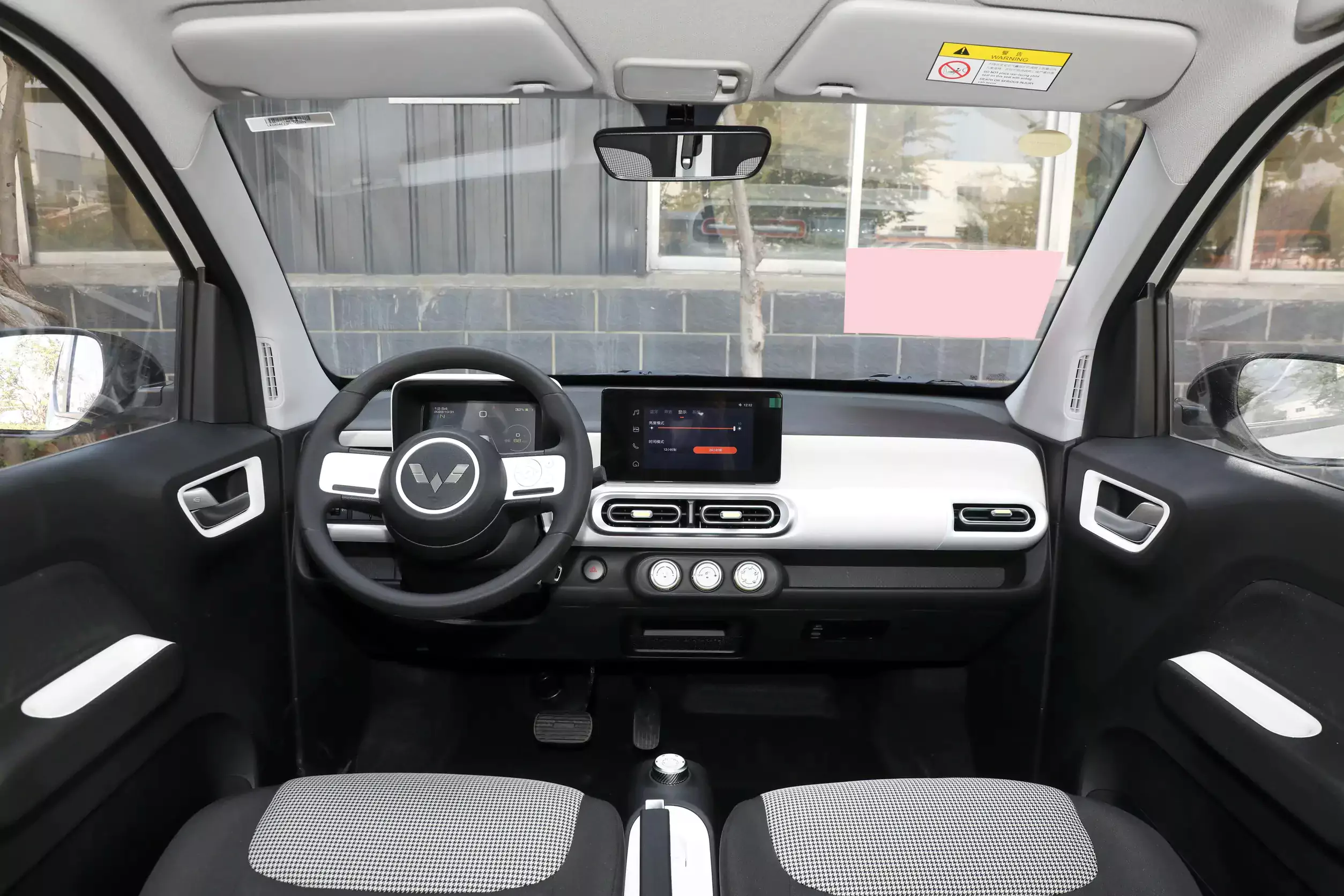
Inside, the ET7 doesn’t try to surprise you with futurism. It is calm here. There are a minimum of physical buttons, but not a total cancellation of touch elements. A large central display, a separate screen in front of the driver and a compact NOMI assistant on the dashboard are, in fact, the entire visual component of the interface.
The materials are soft and pleasant. There is enough space both in front and behind. The rear seat backrest is non-adjustable, but the angle is comfortable. There is heating, ventilation, massage, but this is not available as standard. The seats have good lateral support, although it is unlikely that anyone will throw this car into corners at the limit of grip.
Dynamics: silence that sticks in the back
Either of the two versions of the NIO ET7 has four-wheel drive and two electric motors. The figures are the same: 480 kW of power (653 hp) and 850 Nm of torque. From 0 to 60 in 3.8 seconds.
It’s hard to describe the experience of overclocking. It’s not “wow”, it’s “are you done?”. The car doesn’t make drama – it just goes. And here silence is the main component of the experience. No jerks, noise, or overemphasis on the moment.
Power reserve: what the numbers say and what it really is
The technical specifications often indicate a single figure – 500 or 600 km, for example – but in practice, things are a little more complicated. In electric vehicles, the range is always a range that depends on temperature, driving style, speed, even tyre pressure. That’s why we took apart both versions of the NIO ET7 separately, so that we don’t have to work with abstractions, but can see what you can really count on on a daily basis.
Standard Range version:
- Useful battery capacity: 73.5 kWh
- Real combined power reserve: ~415 km
- In the city at +23°C: up to 585 km
- In winter on the track: ~305 km
Long Range version:
- Useful capacity: 90.0 kWh
- Combined real-world move: ~505 km
- In the city at +23°C: up to 705 km
- In winter on the track: ~ 370 km
In other words, the Long Range is no longer just “a little more”. This is a significantly wider range for long journeys, especially when you take into account our climate.
Charging: how long and at what speed
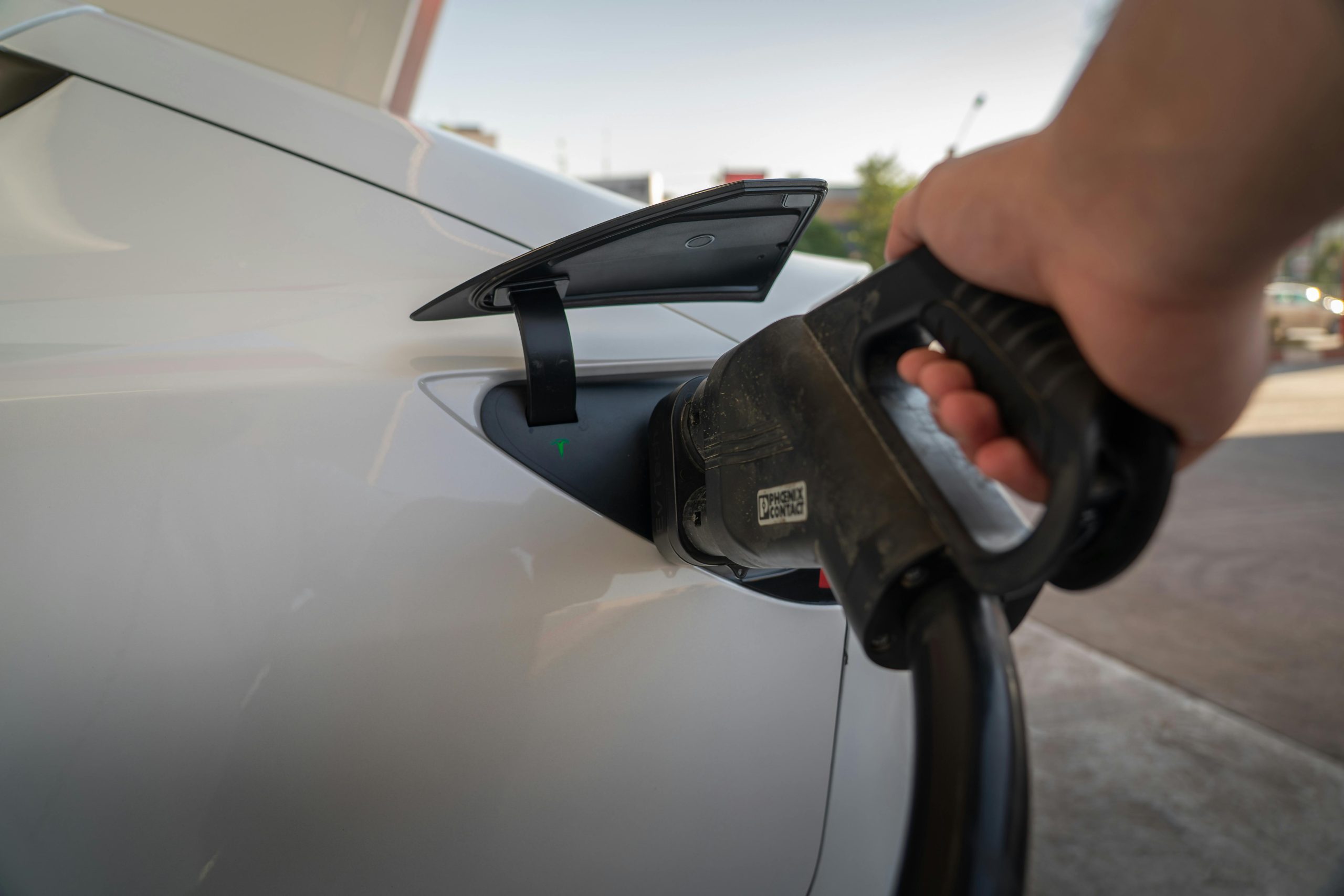
Charging time is another parameter that should be looked at not only in numbers, but also in the context of real-world use. NIO ET7 supports both home charging and fast DC sessions. But depending on the battery version, things are a little different. Let’s start with the basic configuration.
Standard Range:
- Max. DC power: 140 kW
- Charging 10-80%: ~30 minutes
- Speed: ~580 km/h
Long Range:
- Max. DC power: 127 kW
- 10-80%: ~40 minutes
- Speed: ~530 km/h
Both versions have a Type 2 port for AC charging and CCS Combo 2 for fast charging. Automatic battery pre-heating is possible if the route is planned via the built-in navigation.

How we at ECOFACTOR are developing the charging infrastructure for cars like the NIO ET7
Even the best range is useless if you don’t know where to charge your car. For NIO ET7 owners, this issue is no less important than choosing the car itself. At ECOFACTOR, we understand that the comfort of an electric vehicle does not start with the battery, but with a simple, stable infrastructure – exactly the kind that works every day all over Ukraine.
We produce charging stations full cycle – from basic AC models for home to high-speed DC-complexes for roads and city car parks. Each station is not just a box with a cable, but part of a platform that connects thousands of ports into a single system.
Through our mobile application for iOS and Android drivers can check in a few seconds map of charging points and find out which stations are free, which are charging, and which have already completed a session. It also offers route planning, online payment, session history and support. Everything you need is in one app, with no extra clicks.
And for those who want to have charging at their fingertips, we have
We don’t just install stations, we create an ecosystem in which the owner of the NIO ET7 feels no restrictions. The machine is powerful, the battery is capacious, and charging should be just as convenient.
Travelling: is it suitable for long-distance travel?
For those who do not like to stop often, it is important to evaluate the so-called “1-Stop Range” – how many kilometres you can drive with one 15-minute charging stop.
- Standard Range: up to 456 km
- Long Range: up to 509 km
Both versions received 3 out of 5 points in the long-distance rating. And although this is not the maximum, it is more than enough for everyday life and highways.
Version comparison: short and sweet
To avoid getting lost in the technical details, let’s divide the differences between the versions into simple and practical things. Who is better suited to the Standard Range and who to the Long Range? Let’s explain without unnecessary numbers and complicated terms.
Standard Range:
- Smaller battery size = faster charging.
- Cheaper.
- Good for city and regional travel.
Long Range:
- A significantly longer range.
- It holds its distance better on the track.
- Ideal for those who often travel between cities.
For whom the NIO ET7 is designed and what makes it really convenient
In this electric sedan, a lot of things have been done not just for show, but with the feeling that the engineers themselves want to drive it. But it is certainly not for everyone. If space, smoothness and technology are important to you, the NIO ET7 almost certainly fits your scenario. That’s who it’s particularly well suited for:
- Business users who value silence, dynamics and presentability.
- Families who want more space and comfort on long journeys.
- People who are tired of compromises in electric vehicles and want “everything at once”.
Of course, each car has its own strengths and weaknesses. Here’s a brief summary.
Pros:
- Powerful dynamics
- Very quiet running
- Large power reserve
- Comfortable interior without unnecessary shine
- Reliable security
Cons:
- No front luggage compartment
- Charging does not support Plug & Charge
- Not the cheapest service outside of China
Conclusion
NIO ET7 is exactly the case when an electric car does not try to be something fashionable, but simply does its job. It goes far, fast, and comfortable. It has no flashy features, but it has balance. If you are looking for a full-size electric sedan for real daily use, and not just to prove something to someone, the ET7 deserves a test drive. And perhaps a place in the garage.