





Hybrid or electric car: what to choose for efficient operation?
The choice between a hybrid car and an electric car is an important one for many drivers, especially in the context of environmental awareness and rising fuel costs. Both options have their own advantages and limitations, and each is suitable for different needs and lifestyles. In this article, we will compare hybrids and electric cars, focusing on aspects such as fuel efficiency, environmental impact, convenience, [...]
Content:
The choice between a hybrid car and an electric car is an important one for many drivers, especially in the context of environmental awareness and rising fuel costs. Both options have their own advantages and limitations, and each is suitable for different needs and lifestyles. In this article, we will compare hybrids and electric vehicles, focusing on aspects such as fuel efficiency, environmental impact, usability and charging. As a reminder, you have the option of purchasing both domestic and commercial charging stations in our online storeand use our public charging stations ECOFACTORlocated throughout Ukraine. For easy access to charging, you can use our applicationavailable for the following platforms iOS and Android.

Advantages of hybrid cars
Long range and flexibility
One of the biggest advantages of hybrid cars is their ability to cover long distances without the need for frequent refuelling or charging. Hybrid cars have two main power sources: an internal combustion engine (ICE) and an electric motor. This combination gives the driver the ability to use both traditional fuel stations and the ability to charge the battery from the electrical grid. Therefore, for long-distance travel, a hybrid may be more convenient than an electric car that requires constant access to charging stations.
- Combination of fuel and electricity allows you to significantly increase the driving range, which makes the hybrid convenient for long-distance travel.
- Fewer restrictions on chargingEven if the charging station infrastructure is limited, you can always refuel your hybrid at a traditional petrol station.
Convenience and accessibility
Hybrid cars do not require special skills or changes in driving style compared to cars with internal combustion engines. They retain standard fuel stations, which is very convenient, especially for drivers who travel frequently and don't want to worry about the availability of charging stations for electric vehicles.
- Less worries about charging infrastructureEven if charging points for electric cars are not available, you can still use conventional fuel.
- Quick refuellingUnlike electric cars, hybrids take a few minutes to refuel, which is convenient for long journeys or when you are short on time.
Lower fuel consumption
Hybrid vehicles save significant fuel by using an electric motor for short distances and in urban areas. In such modes, the hybrid can run on electricity, which reduces fuel costs and CO2 emissions, as well as the frequency of refuelling.
- Saving fuelIn urban environments, where a hybrid often uses only an electric motor, petrol or diesel costs are significantly reduced.
- Reducing emissionsThe use of electric energy reduces the overall level of emissions compared to traditional petrol or diesel vehicles.
Increased reliability
Because hybrid cars have two engines, an electric and a petrol engine, they are generally less prone to frequent breakdowns than traditional cars. The electric motor requires significantly less maintenance as it does not have complex components such as an exhaust system or transmission, which reduces the overall level of technical problems.
- Fewer moving partsAn electric motor has fewer components that can break down, making it more reliable and durable.
- Lower maintenance costsDue to their simple design, hybrids usually require less maintenance than cars with exclusively petrol or diesel engines.
Reduced noise and vibration
Thanks to the use of an electric motor in certain driving modes, hybrid cars are usually significantly less noisy than traditional ICE cars. This ensures a comfortable and relaxing ride, especially in urban environments where the electric motor operates at low speeds.
- Less noiseThe electric motor is virtually silent, which ensures a comfortable ride in urban environments.
- Minimal vibrationsDue to fewer mechanical components, hybrids have significantly less vibrations, which improves the overall ride quality.
Economic benefits
Hybrid cars are often eligible for various tax breaks or subsidies, purchase discounts and maintenance costs. In some countries, they can receive discounts on parking as well as on driving through environmentally friendly zones. This makes them a good option for those who want to save on fuel costs and taxes.
- Tax benefitsMany countries offer incentives for hybrid car owners.
- Free parking and privileges in environmental zonesSome cities give hybrids access to free parking or allow them to drive in areas where conventional cars are restricted.
Hybrid vehicles combine the advantages of petrol and electric engines, offering long driving ranges, ease of maintenance and lower fuel costs. They are an ideal choice for those who want to combine the environmental benefits of electric vehicles with the flexibility and convenience of traditional cars, especially for those who frequently travel long distances.
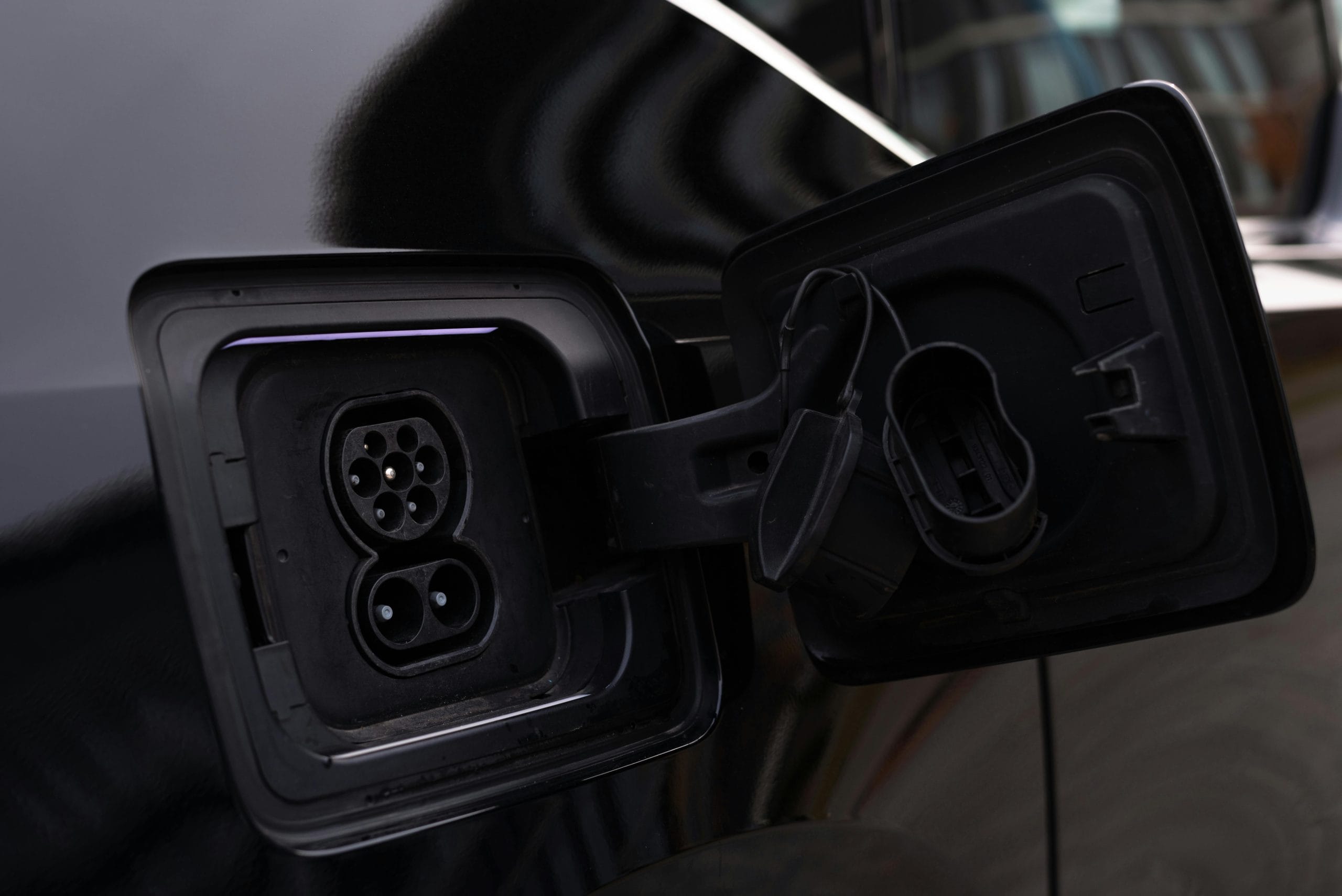
Advantages of electric vehicles
Environmental cleanliness
Electric cars are among the most environmentally friendly transport options available today. They are powered by electricity without an internal combustion engine, so they do not produce CO2 or other harmful gases as they drive. This makes them an ideal choice for those who want to reduce their carbon footprint and help fight climate change.
- Zero CO2 emissionsElectric cars do not emit harmful gases during operation, which reduces air pollution in cities.
- Reduced noise pollutionElectric motors are significantly quieter than traditional internal combustion engines, which helps to reduce noise levels in cities.
Low operating costs
Electric cars have several economic advantages. First, charging an electric car is usually much cheaper than refuelling with petrol or diesel. In addition, electric motors have fewer moving parts, which reduces maintenance and repair costs as they do not require oil changes and wear out more slowly than traditional engines.
- Low cost of chargingCharging an electric car is much cheaper than buying petrol or diesel.
- Lower maintenance costsFewer moving parts and a simple engine design make maintenance cheaper and less frequent for electric cars.
Government benefits and infrastructure
Many countries provide significant tax incentives for owners of electric cars, which significantly reduces their initial cost. In addition, many cities are actively developing a network of charging stations, which provides easy access to charging an electric vehicle, even when travelling. Owners of electric cars also often receive parking privileges, access to environmentally friendly zones, and other bonuses.
- Tax benefits and subsidiesMany countries offer favourable conditions for buyers of electric cars, including rebates and tax credits.
- Discounts on parking and travel through eco-zonesMany cities offer parking privileges or access to eco-friendly zones for electric car owners at no extra cost.
High energy efficiency
Electric motors have significantly higher energy efficiency than traditional internal combustion engines. They use most of the energy from the battery to propel the vehicle, which results in significant energy savings. A conventional internal combustion engine wastes most of its energy on heat, while an electric engine has an efficiency of 85-90%.
- High energy efficiencyAn electric motor converts more energy into motion than an internal combustion engine, which reduces energy costs.
- Lower energy costsDue to the high efficiency of electric motors, they require less energy to achieve the same results as conventional cars.
Modern technologies and innovations
Electric cars are usually equipped with the latest technologies that enhance driver comfort and safety. This includes advanced driver assistance systems (ADAS), autopilot, intuitive multimedia systems, and the ability to connect to mobile apps to monitor battery status, find charging stations, and control other functions.
- Innovative technologiesElectric cars are often equipped with advanced technologies such as autopilot, driver assistance systems and other intelligent features.
- Mobile applications and integrationMany electric vehicles have the ability to integrate with mobile apps for driver convenience.
No dependence on oil
Electric cars offer the opportunity to reduce dependence on traditional energy sources such as oil. Using renewable energy sources to charge the car, such as solar panels or wind farms, makes electric cars even more sustainable in terms of energy.
- Reducing dependence on oilElectric cars run on energy that can be generated from renewable sources.
- The ability to use clean energyElectric car owners can use energy from renewable sources such as the sun or wind.
Electric cars represent a major step forward in transport technology, offering a safe, environmentally friendly and cost-effective alternative to conventional vehicles. Not only do they help reduce pollution and dependence on fossil fuels, but they also offer a high level of energy efficiency, convenience and comfort for drivers. This makes them an excellent choice for those looking to do their bit for the environment and reduce energy and vehicle maintenance costs.
Disadvantages of hybrid cars
Hybrid cars have a number of advantages, including fuel economy and reduced emissions, but they also have some disadvantages that you should consider before making a purchase. Some of these include maintenance costs, vehicle cost, technological limitations and environmental impact.
High initial cost
Hybrid cars are often more expensive than traditional petrol or diesel models, which can be a serious barrier for buyers.
- The combination of two power units (an electric motor and an internal combustion engine) complicates the design, which increases production costs.
- The high-tech batteries required to run an electric motor are expensive to produce and replace.
- Even with fuel savings, the cost of a hybrid can only be recouped after several years of active use.
More expensive and difficult to maintain
Due to their more complex design, hybrid vehicles require specific maintenance that can be more expensive than conventional vehicles.
- Internal combustion engines and electric motors have different maintenance requirements, which increases the overall cost of repairs.
- Specialised mechanics and workshops that can work with hybrids are not yet widespread, which can make maintenance more difficult.
- Rechargeable batteries lose capacity over time and need to be replaced, which is a significant cost for the owner.
Lower efficiency on the track
Hybrids offer excellent fuel economy in the city, but their efficiency drops on highways.
- In the city, the electric motor helps to save fuel by using regenerative braking to help you stop and start frequently.
- At high speeds, the main load is placed on the internal combustion engine, which makes fuel consumption close to that of a conventional petrol car.
- Drivers who frequently travel long-distance may not experience significant savings from a hybrid.
There is still an environmental impact
Despite the reduced CO₂ emissions compared to conventional cars, hybrids are not completely environmentally friendly.
- They still use fossil fuels, which cause greenhouse gas emissions.
- The production and disposal of batteries poses environmental challenges as they contain rare earth metals and chemical components.
- In some cases, if a hybrid runs primarily on petrol (due to limited battery power), it differs slightly from a traditional car in terms of emissions.
Hybrid vehicles are an excellent compromise between traditional ICE and electric vehicles, but they are not without their drawbacks. Their high cost, complexity of maintenance, and limited on-highway performance can make them less attractive to certain types of drivers. In addition, their environmental impact, while less than conventional cars, is still a concern. The choice of hybrid should be carefully weighed against the driver's needs, route characteristics and available infrastructure.
Disadvantages of electric vehicles
Electric vehicles offer many benefits, including zero emissions, fuel efficiency and advanced technology. However, despite their growing popularity, they do have a number of drawbacks that you should consider before making a purchase. The main concerns relate to autonomy, charging infrastructure, cost and battery life.
Limited range and dependence on battery power
Although modern electric vehicles have a significant range, it is still less than that of traditional ICE vehicles.
- Budget models often have a range of 200-300 km, which may not be enough for long journeys.
- In winter, the battery efficiency is significantly reduced due to cold temperatures, which reduces the actual range.
- When travelling, electric car owners have to carefully plan their routes to avoid running out of power far from a charging station.
Limited charging infrastructure
Despite the development of the charging station network, the number and availability of charging stations is still a problem in many regions.
- In rural areas and small towns, charging stations are rare, which creates difficulties for electric vehicle owners.
- Home charging requires special equipment that cannot always be installed in apartment buildings.
- The charging time for an electric vehicle can take from 30 minutes at fast chargers to 8-12 hours at conventional stations.
High initial cost
Electric vehicles are often more expensive than traditional cars with an internal combustion engine due to the cost of batteries.
- Lithium-ion battery technology remains expensive, which affects the overall price of the car.
- Even with the fuel savings, depreciation of an electric vehicle can be higher due to the rapid decline in value on the secondary market.
- The availability of budget models is limited, and premium electric vehicles are much more expensive.
Durability and battery replacement
Electric vehicle batteries have a limited service life, after which their efficiency begins to decline.
- Depending on the intensity of use, battery degradation may become noticeable after 5-10 years of operation.
- The cost of replacing the battery is significant and can reach 30-50% of the vehicle's value.
- Reduced battery capacity results in a shorter range, which may require more frequent charging.
Environmental impact during production
Although electric vehicles are environmentally friendly in operation, their production has a significant carbon footprint.
- The production of lithium-ion batteries requires the extraction of rare earth metals, which has a negative impact on the environment.
- Disposal of batteries remains a challenging issue, as the recycling process is not yet fully environmentally friendly.
- If an electric vehicle is charged with electricity generated by coal or gas power plants, its environmental benefits are reduced.
Despite their environmental and economic benefits, electric vehicles have a number of serious drawbacks related to charging infrastructure, cost and battery life. Owners of such cars should carefully consider whether an electric car is right for them, taking into account their lifestyle, available charging stations and the climate conditions in their region.

ECOFACTOR: Supporting a sustainable future by charging electric and hybrid cars
The choice between an electric and a hybrid car can depend not only on technical characteristics, but also on the convenience and availability of charging infrastructure. This is where the company comes in. ECOFACTORis a company that specialises in providing access to efficient and convenient charging solutions for electric and hybrid car owners. We help to make charging an easy and convenient process, allowing our customers to focus on their comfort and saving resources.
Our charging solutions not only increase the usability of electric and hybrid vehicles, but also help reduce the environmental impact by providing users with efficient, fast and environmentally friendly charging methods.
This is why choosing ECOFACTOR is the right decision:
- Wide network of charging stations: We have convenient and affordable charging stations across the country, which allows owners of electric and hybrid cars to charge without any difficulty.
- Ecological charging: Our solutions support sustainable development by offering charging from renewable energy sources, which helps reduce carbon emissions.
- Fast charging: With our advanced charging technology, you can charge your vehicle quickly and conveniently, saving you time.
- Flexible tariffs: We offer competitive charging prices, making the process not only convenient but also cost-effective.
- Intelligent solutions: Our charging stations are integrated with advanced technology to monitor the charging process through mobile apps, allowing users to conveniently monitor costs and the process. You can monitor the charging status via your mobile phone application, available for iOS and AndroidThe system provides accurate data on charge level, charging speed and energy consumption.
ECOFACTOR is actively working on the development of infrastructure for electric cars, creating map of charging stationsThe company's new charging system allows drivers to not only charge their cars efficiently, but also have access to safe and convenient technology. Our cables and adapters comply with the most advanced European quality standards, which guarantees safe, fast and efficient charging of your electric vehicles.
With ECOFACTOR, you have access to innovative technologies that ensure smooth and efficient charging, allowing you to get the most out of your electric or hybrid vehicle. Our solutions help reduce charging costs while increasing the convenience and environmental friendliness of your vehicle.
Cost and availability of electric and hybrid cars
The initial cost of the car
The initial cost of a car is one of the main differences between electric and hybrid vehicles. The cost of such vehicles largely depends on the brand, model, battery size, engine power and other characteristics.
- Electric carsTraditionally, electric cars are priced higher than similar models with internal combustion engines. This is due to the high price of batteries, which are the most expensive part of an electric car. However, it is worth noting that with the development of battery technology and lower production costs, prices for electric cars are gradually decreasing.
- Hybrid carsHybrid cars usually have a slightly lower initial cost than electric cars, as they combine a petrol or diesel engine with an electric engine, which reduces the cost of batteries. However, for some brands, the price of hybrid models can be the same or even higher than the initial cost of electric cars.
Government subsidies and privileges
In many countries, governments are encouraging the purchase of electric and hybrid cars through various subsidies, tax breaks and environmental incentives. This helps reduce the financial burden on buyers of such vehicles.
- Electric carsGovernments offer substantial tax breaks, subsidies and discounts for the purchase of electric cars. Some countries have special programmes that cover part of the cost of the car or provide grants for installing charging stations at home.
- Hybrid carsAlthough support for hybrid cars also exists, it is usually less generous than for electric cars. However, hybrid cars can still benefit from certain incentives, such as discounts on registration fees or tax rebates for hybrid vehicles.

Cost of operation
The cost of running a car depends on many factors, such as fuel costs, maintenance, charging and repairs. Electric and hybrid cars have different running costs.
- Electric carsCharging an electric car is significantly cheaper than refuelling with petrol or diesel. Since electric cars use electrical energy, which is cheaper than fuel in many countries, the cost of "fuel" is significantly reduced. In addition, electric cars have fewer moving parts, which reduces maintenance costs.
- Hybrid carsAlthough hybrid cars typically consume less fuel than their petrol or diesel counterparts, refuelling costs are still significant as hybrid cars combine the use of petrol and electricity. In addition, hybrid cars have a more complex design, which can lead to higher maintenance and repair costs.
Charging costs and infrastructure
The cost of charging is an important component in assessing the value of electric and hybrid vehicles. The charging infrastructure for electric vehicles is rapidly developing, but it still has limited availability, especially in less densely populated regions.
- Electric carsCharging at home is usually much cheaper than refuelling your car at a petrol station. The cost of charging at public stations can vary depending on the type of charging (slow, fast or supercharging). However, many stations offer charging for free or at a reduced price as part of incentive programmes for electric car owners.
- Hybrid carshybrid cars are mostly refuelled at conventional petrol stations, where fuel prices can fluctuate. However, the fuel savings compared to conventional cars are significant.
Depreciation and resale value
Depreciation and resale value is another important aspect of value, as cars lose value over time.
- Electric carsHistorically, electric cars have had higher depreciation due to their higher initial cost, but with advances in technology and lower battery prices, this has changed. Today, electric cars lose much less value on the resale market, especially when low maintenance costs and free or low-cost charging are taken into account.
- Hybrid carsAlthough hybrids also have certain advantages in operation, their resale value may be higher than conventional petrol cars, but still lower than electric models.
The cost and availability of a car varies greatly depending on the type of vehicle. Electric cars typically have a higher initial cost, but offer greater savings over the life of the vehicle, thanks to cheap charging and less maintenance. Hybrid cars have the advantage of lower initial purchase costs and fuel savings, but their maintenance and refuelling costs may be higher. In any case, the choice depends on the individual needs, budget and environmental priorities of the driver.
Conclusion.
The choice between a hybrid and an electric car depends on your individual needs. If you live in a city and often use your car for short distances, an electric car will be a more economical and environmentally friendly choice. If your journeys involve long distances or you don't have consistent access to charging stations, a hybrid will be a more convenient option due to the combination of electric power and fuel.
It is also important to consider the environmental benefits, maintenance costs and ease of use. Each type of vehicle has its own strengths, and the right choice depends on your lifestyle and vehicle requirements.
FAQ
Which is cheaper: a hybrid or an electric car?
Hybrids are usually cheaper than electric vehicles, but electric vehicles have lower operating costs.
Can I charge my electric car at home?
Yes, electric vehicles can be charged at home using a special charger.
Which is more environmentally friendly: a hybrid or an electric car?
An electric car is more environmentally friendly because it does not emit harmful gases while driving.
How far can you drive a hybrid without charging?
The hybrid can travel up to 1,000 km on a single refueling, combining a petrol engine and an electric motor.
Can the hybrid be used over long distances?
Thus, the hybrid is suitable for long-distance travel thanks to the combination of two energy sources.
Is it necessary to constantly charge an electric car?
For example, an electric car needs regular charging, which can be inconvenient if there are not enough charging stations.
How does the hybrid charge?
The hybrid can be charged either from fuel or from the mains, depending on the model.
Which is better for the city: a hybrid or an electric car?
Electric vehicles are more suitable for the city, as they do not use fuel and are more environmentally friendly.


