


Table of contents:
With the rapid development of electric vehicles and the popularisation of green technologies, charging infrastructure is an important part of this process. One of the key elements of this infrastructure is the Combined Charging System (CCS), which provides efficient and fast charging of electric vehicles. There are two main types of CCS – CCS1 and CCS2 – the latter being the standard in Europe and some other regions […]
We remind you that you can purchase home and commercial
If you are considering purchasing an electric vehicle or already own one, it is important to understand how CCS2 works, what features and benefits it comes with, and how it will affect your charging experience. This article will help you understand the key points about the CCS2 connector, its specifications, compatibility and regional use, as well as the main differences from the CCS1 and other connector types.
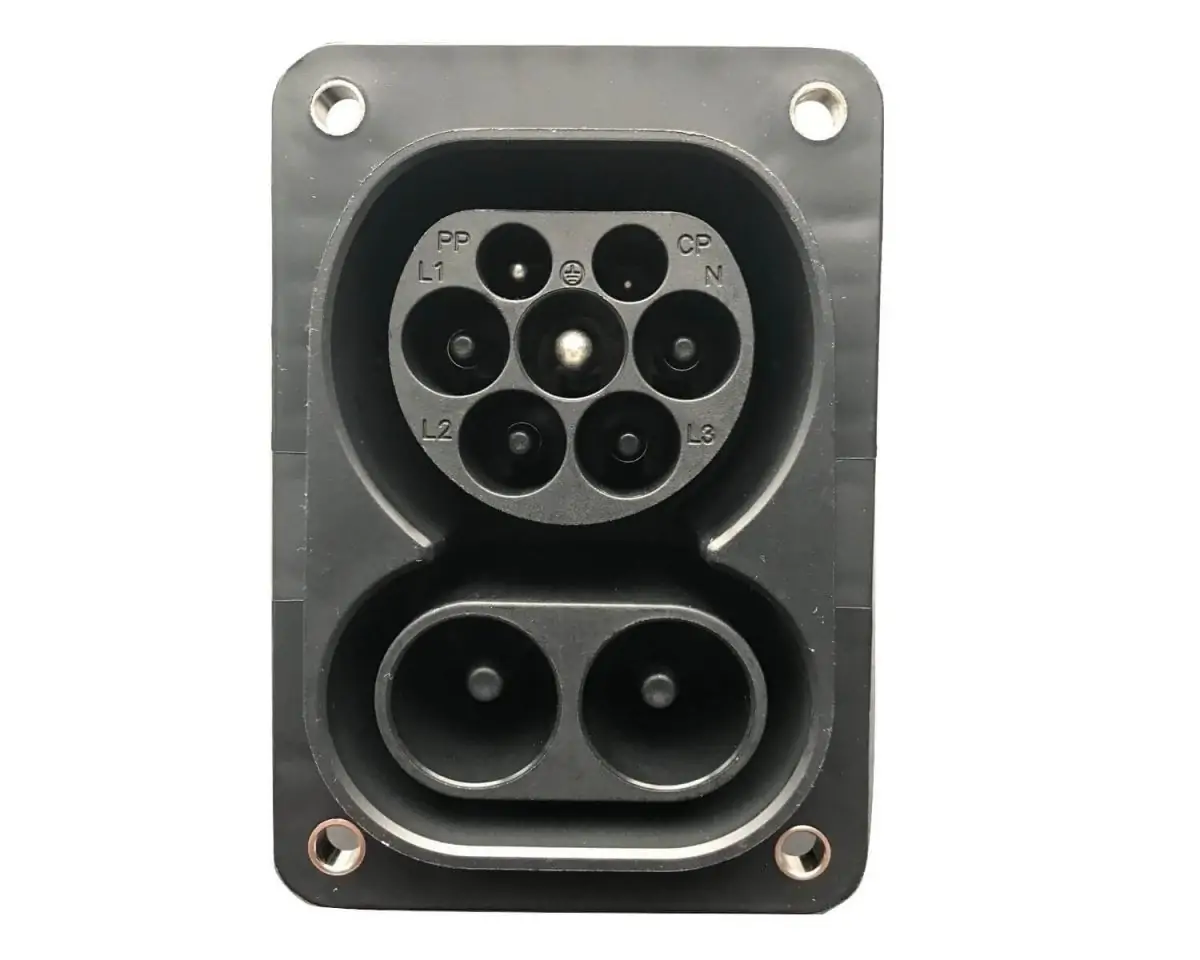
What is the CCS2 Connector?
CCS2 – це стандарт комбінованого роз’єму for charging електричних cars, який забезпечує можливість charges як змінним, так і постійним струмом. Він поєднує два типи роз’ємів: один for charging змінним струмом (AC), а інший – for charging постійним струмом (DC). Цей стандарт charges почав активно utilise в Європі and інших регіонах, де популярні європейські електричні автомобілі, такі як Audi, BMW, Volkswagen and інші. Важливо зазначити, що хоча CCS2 роз’єм став домінуючим стандартом в Європі, він також набирає популярності в інших частинах світуincluding США, особливо для європейських марок, що входять до американського ринку.
The CCS2 standard has several key features that allow vehicles to be charged quickly and conveniently. This is a combination of both AC and DC charging capabilities, which provides versatility and the ability to be used on different types of charging stations. The CCS2 connector allows you to charge your vehicle at fast charging stations that use DC or at conventional AC home charging stations.
Technical specifications of the CCS2
The CCS2 connector supports a variety of voltage and current settings, enabling it to work with different types of charging stations and provide fast and efficient charging of electric vehicles. Its technical characteristics are optimised for use in both residential environments and fast charging stations. Here are the detailed specifications of the CCS2 connector:
Rated voltage:
- Alternating current (AC): The CCS2 connector supports a nominal AC voltage of up to 480 V. This allows electric vehicles to be charged at standard AC charging stations. Such stations typically provide charging capacities of up to 22 kW, which is suitable for household and workplace charging.
- Direct current (DC): For direct current charging, the connector supports a voltage of up to 1000 V. This makes it possible to charge the vehicle at fast charging stations that provide high charging speeds and significantly reduce charging times even at high power levels.
Rated current:
- AC: For AC charging, the connector can handle a rated current of up to 32 A. This means that at AC charging stations, the connector is able to provide enough power for efficient charging with standard charging equipment.
- DC: When it comes to DC charging, the CCS2 connector is capable of handling a maximum current of up to 500 A, provided that a specially cooled cable or connector is used. This allows for ultra-fast charging, particularly at modern high-power charging stations.
Maximum charging power:
- AC: The maximum AC charging power that the CCS2 connector can support is up to 22 kW. This is suitable for use at home or in workplaces where charging does not require ultra-fast top-ups.
- DC: When charging with DC, the connector can deliver up to 500 kW of power. This allows for ultra-fast charging at specialised, high-capacity stations, which significantly reduces charging times, allowing the vehicle to top up to 80% of charge in just a few minutes.
Detailed pinout diagram
The CCS2 (Combined Charging System Type 2) connector is the standard for fast charging of electric vehicles, especially in Europe and other regions that support European standards. It combines both AC and DC charging capabilities to provide flexibility and speed. The CCS2 connector consists of several contacts, each with a specific function:
- Phase contacts (L1, L2, L3): Three main contacts for transmitting single-phase or three-phase AC power.
- Neutral contact (N): Provides neutrals for three-phase connections.
- Contacts for direct current (DC+ and DC-):
- Protective earth (PE) contact: Ensures safety by providing grounding.
- Signal contacts (CP and PP): They are used to communicate between the charging station and the vehicle, providing control over the charging process.
Compatibility and adapters
The CCS2 connector has good compatibility with most modern charging stations used in Europe. However, some countries, such as the US, use a different standard, CCS1, which is not compatible with CCS2 without the use of special adapters.
Adapters allow you to connect vehicles with a CCS2 connector to charging stations that support CCS1. However, it is worth noting that the use of adapters may reduce charging efficiency as they may limit the maximum current or power. Therefore, for best results, it is recommended to use stations that directly support your connector type.
How does CCS2 work?
Connecting an electric vehicle to a charging station with a CCS2 connector is a fairly straightforward process. Here are the steps on how it works:
- Connecting the car: You connect your electric vehicle to the charging station using the CCS2 connector.
- Select the type of charging: The charging station automatically detects whether you want to use AC or DC power for charging. If you connect to a standard AC charging station, charging will be slow, but suitable for overnight charging. For fast charging, DC power will be used.
- Charging: Once charging has started, your vehicle will receive energy through the contacts for the appropriate current type, allowing you to quickly restore your energy reserve.
- Charging is complete: When the battery reaches the required charge level, the process will automatically end.
ECOFACTOR: Innovative solutions for environmentally friendly and efficient charging of electric vehicles
About the company ECOFACTOR We are committed to developing advanced products for charging electric vehicles, combining high efficiency with minimal environmental impact. Our goal is to reduce energy consumption, speed up the charging process and extend battery life. We offer charging stationsThe company’s products meet the highest standards of safety and efficiency, providing convenience and durability for users.
In addition to the main charging stations, we also offer
We are constantly working to improve our solutions by integrating the latest technology to make the charging process even more convenient and cost-effective. Here’s how our innovations help:
- Reduce energy costs – технології ECOFACTOR дозволяють ефективно знижувати споживану енергію, що допомагає зменшити витрати на charging electric vehiclesв.
- Improve charging efficiency: – завдяки спеціально розробленим алгоритмам ми зменшуємо енергетичні втрати, що allows максимізувати використання потужності.
- Manage charging via a mobile app: – наші рішення дозволяють водіям контролювати весь процес charges через mobile applicationwhich is available for iOS і Android. Це дає змогу моніторити рівень заряду, вибирати оптимальний час for charging і отримувати повну аналітику споживаної енергії.
- Contribute to the preservation of the environment: – ECOFACTOR charging stations сприяють зниженню викидів CO₂ and підтримують перехід до використання чистої енергії.
Choosing solutions from ECOFACTOR – це не лише інвестиція в зручність, але й у сталий розвиток. Наші технології допомагають економити на енергоспоживанні і забезпечують максимальний комфорт для users.
We are also actively working to expand our charging infrastructure, providing drivers with access to
Differences between CCS1 and CCS2
The CCS (Combined Charging System) connectors, namely CCS1 and CCS2, are essential to the charging infrastructure for electric vehicles (EVs). They have several key differences that affect their compatibility and functionality in different regions. Here is a detailed comparison:
1. Physical design
The CCS1 is based on the Type 1, which is a single-phase connector predominantly used in North America. For direct current (DC) charging, the CCS1 adds two large pins under the Type 1 interface to allow for fast charging. The CCS2, on the other hand, is based on Type 2, which supports both single-phase and three-phase charging, making it more versatile. For fast charging with direct current (DC), the CCS2 has two additional pins on top of the main connector, which is typical of the European standard.
2.Technical characteristics
Both CCS1 and CCS2 support similar voltage ranges for fast DC charging, typically up to 920V. However, there are some differences in the maximum current: CCS1 supports up to 200 amps, while CCS2 can handle up to 350 amps, allowing for faster charging. Both connectors are also compatible with Level 2 chargers for alternating current (AC) charging at home.
3. Geographical use
The CCS1 is widely used in the US and Canada, meeting North American standards. It is a popular option for home chargers in these regions. CCS2, on the other hand, is the main standard in the European Union and is also used in some other countries such as Australia and parts of Asia. The European Commission actively supports this standard to unify the charging of electric vehicles.
4. 4. Compatibility and interoperability
Vehicles designed for the North American market are typically equipped with CCS1 connectors, while European models use CCS2. This can create problems for users who import cars or travel between regions. Charging stations usually support the dominant standard in a particular region, but adapters are available to allow charging using incompatible connectors, although their efficiency and convenience may be reduced.
5. 5. Future development
The industry is discussing the possibility of standardising a single CCS system to simplify production and increase global adoption of electric vehicles. However, there are significant technical and regulatory challenges. Technologies for both CCS1 and CCS2 continue to improve to increase power handling capabilities and reduce charging times, and new innovations in cable and connector technologies may allow even faster charging in the future.
Comparison with other connectors
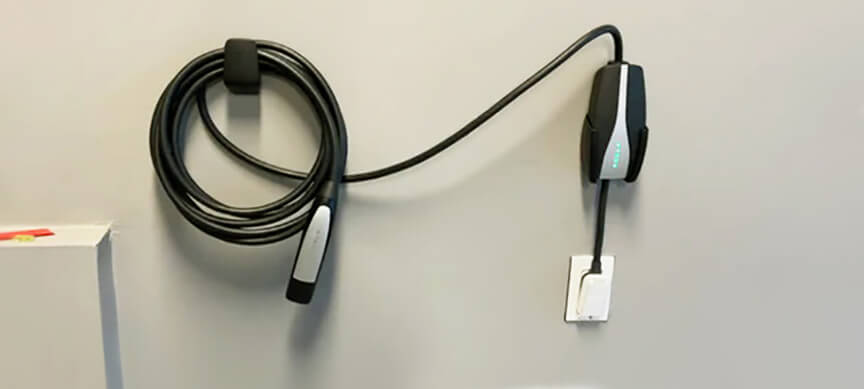
The CCS2 connector is actively compared to other popular charging standards such as CHAdeMO and Tesla Supercharger, as each has its own advantages and limitations.
- Charging speed: The CCS2 supports direct current (DC) charging with a maximum power output of up to 500 kW, enabling the vehicle to be charged quickly. Compared to CHAdeMO, which has a maximum power output of only 62.5 kW, CCS2 offers significantly faster charging speeds. The Tesla Supercharger also provides a charging speed of up to 250 kW, which is inferior to the CCS2.
- Compatibility: The CCS2 supports both AC and DC charging, making it a versatile option for most charging stations. The CHAdeMO, on the other hand, only supports DC charging, which limits its use. The Tesla Supercharger uses a proprietary connector, making it only compatible with Tesla cars, although adapters for other brands are available.
- Geographic use: CCS2 is the standard in the European Union and is common in other regions such as Australia. CHAdeMO is predominant in Japan, and Tesla Supercharger has the widest network in North America, but limited compatibility with other car brands.
- The cost of adapters: Adapters for converting between standards may be available, but their cost and effectiveness may vary. Compared to other systems, adapters for CCS2 are more versatile.
Which socket outlet is used with the CCS2?
The CCS2 socket is a combination socket that includes both AC and DC charging contacts. It consists of two main parts.
- Charging with alternating current (AC): The standard type 2 contacts are used, which provide charging power of up to 22 kW.
- Charging with direct current (DC): The additional two large contacts enable fast charging at up to 500 kW.
This socket is larger than a standard type 2 socket due to the additional contacts for fast DC charging. It is the standard for most charging stations in Europe, providing versatility and charging speed for a wide range of electric vehicles.
Regional use
The CCS2 connector is a standard in many parts of the world, including the US.
- European Union: CCS2 is the main standard for charging electric vehicles due to its versatility and high charging speed.
- North America: In the US, CCS1 remains the more popular standard, but CCS2 is gaining traction, especially among European car brands such as Audi, BMW and Volkswagen.
- Other regions: CCS2 is also used in Australia and South America, providing compatibility and fast charging for electric vehicles in these regions.
Conclusion
CCS2 connector – це сучасний and універсальний стандарт charges для електричних cars, який підтримує як змінний, так і постійний струм. Його зручність у використанні and швидкість charges робить його популярним вибором у Європі. У майбутньому, з розширенням networks charging stations, його значення буде лише зростати. Якщо ви плануєте використовувати електричний автомобіль or вже ним користуєтеся, варто звернути увагу на цей стандарт для забезпечення максимальної ефективності charges.
Frequently asked questions
1. How fast does an electric car charge at different types of charging stations?
The charging time depends on the type of charging station. For example, standard home charging stations (Level 2) can take 6 to 12 hours to fully charge, while DC Fast Charging can charge the 80% in just 30 to 45 minutes.
2. Can I charge my electric car at home?
Yes, you can. Most electric cars can be charged from a standard household outlet, but for faster charging, it is recommended to install a special home charging station that provides up to 22 kW of power.
3. How often do you need to charge an electric car?
The frequency of charging depends on your journeys and battery capacity. If you use the car for short trips, you can charge it 1-2 times a week. For long journeys, we recommend charging the car when the charge level drops to 20-30%.
4. What are the standards for electric car charging connectors?
The most common standards are CCS1 and CCS2 for fast charging, and Type 1 and Type 2 for AC charging. These are used in different regions and it is important to choose the right adapter or station depending on your vehicle.
5. Are there any special mobile apps for finding charging stations?
Yes, there are several popular mobile apps, such as PlugShare, ChargePoint, or station networks, such as Tesla Supercharger, that help you find charging stations, check their availability, and even reserve a time to charge.
6. Do I need to use adapters for charging at different stations?
Depending on the standard of your connector and the type of charging station, you may need an adapter. For example, if you are using a vehicle with a CCS2 connector and the station supports CCS1 or Type 2, you will need an adapter for compatibility.