

Table of contents:
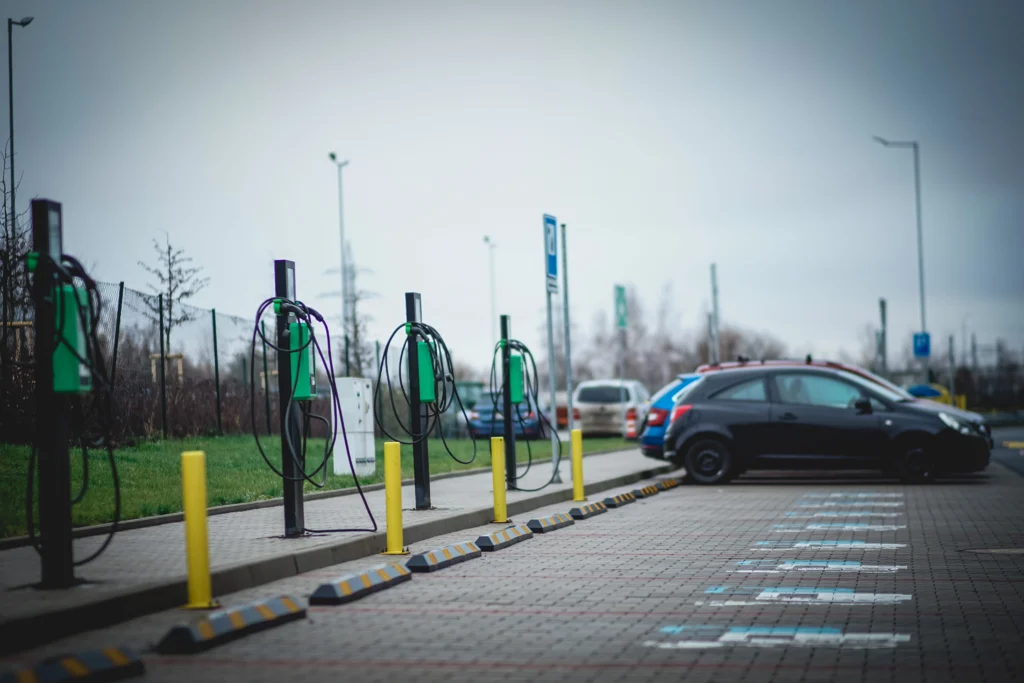
Once upon a time, charging an electric car meant waiting for hours for the battery to slowly gain charge. Such cars were more of an experiment than a full-fledged vehicle. But times have changed. Modern electric cars have new batteries, and with them, more advanced charging methods. Along with the evolution of the cars themselves, the charging infrastructure is also changing. In Ukraine, you can see charging stations more and more often […]
Along with the evolution of cars, the charging infrastructure is also changing. In Ukraine, you can increasingly see charging stations labelled CCS – this is one of the fast charging standards that is gradually becoming the norm for new car models. Let’s take a look at what this system is and why it is so important for the development of electric vehicles in our country.
We remind you that you can purchase home and commercial
What is CCS charging?
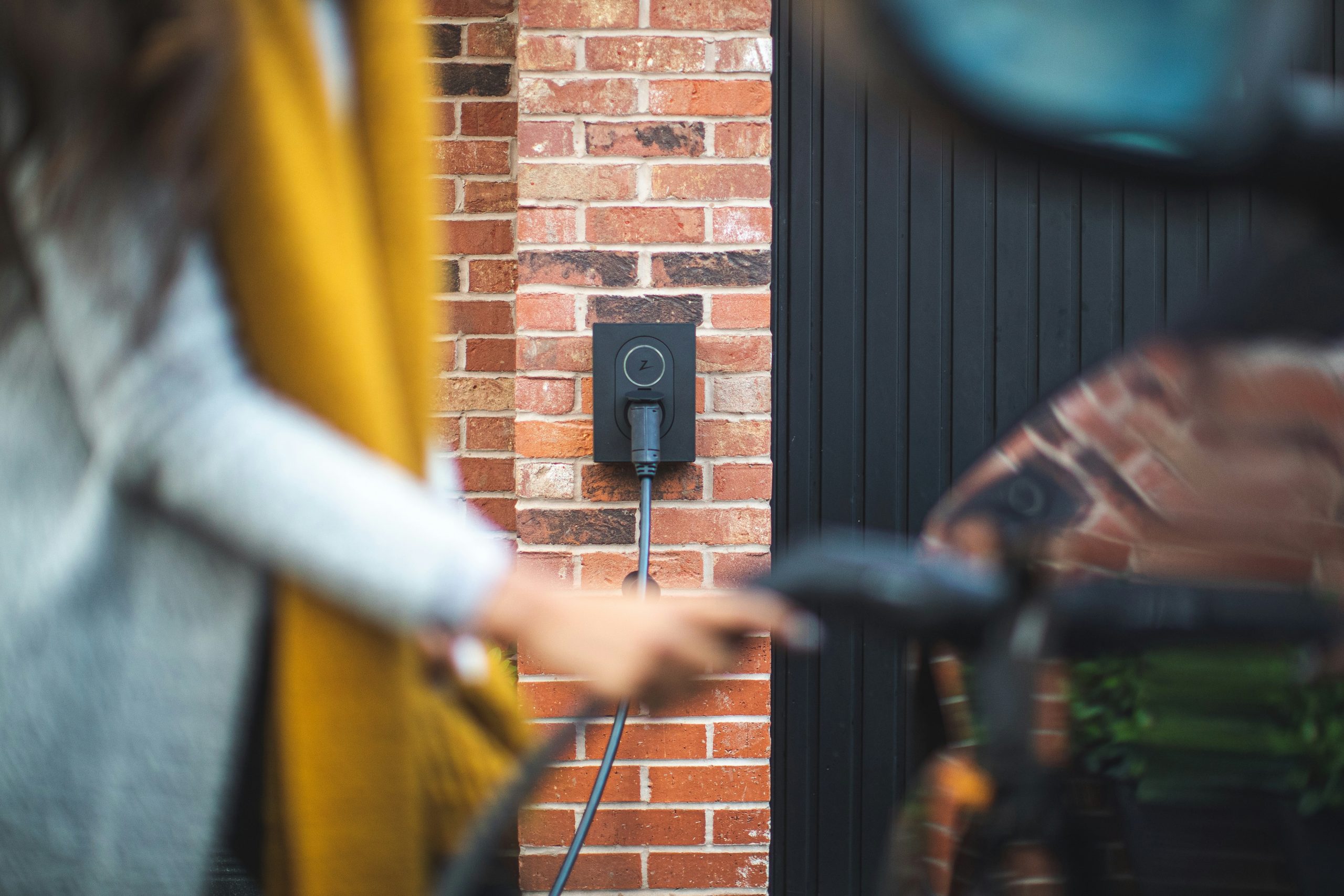
CCS stands for Combined Charging System. And although it sounds a bit technical, it’s actually a very convenient and well-designed way of charging electric vehicles. The main idea behind CCS is that a single connector can be used for both standard (AC) and fast (DC) charging. This means you don’t need different cables or ports – one interface, two charging methods.
In Europe, including Ukraine, the CCS2 version is widespread. It is based on the Type 2 connector, which is already familiar to many drivers, but with two additional powerful contacts for fast DC charging. So if your electric vehicle supports CCS2, you can charge anywhere: at home, at a slow station near the office, or at a powerful DC station near the highway.
Currently, most of the new electric vehicles sold in Ukraine – Hyundai, Volkswagen, BMW, Skoda, Kia, Renault and others – already have a CCS2 connector. This shows that this standard is becoming the main one in our region, gradually replacing less versatile options such as CHAdeMO or AC-only connections.
Advantages of CCS over other standards
It’s worth saying right away that the main advantage of CCS is its versatility. The idea that the same port supports both slow and fast charging has really simplified the life of drivers. Now you don’t have to guess what kind of cable you have in the trunk and whether it will fit the station.
The second important factor is speed. CCS charging stations in Ukraine already allow you to charge up to 80% of the battery in less than half an hour. For example, DC charging stations with a capacity of 50, 100 or even 150 kW are gradually appearing in major cities, along motorways, at petrol stations and in shopping centre car parks. Some charging points even support 350 kW, provided your car is compatible with that level.
Another advantage is the support from manufacturers. European car manufacturers, as well as most Korean brands, are focusing specifically on CCS. This means that by choosing a car with this connector, you’re investing in long-term compatibility. In other words, you won’t find yourself in a situation where the charging points you need disappear in 3–5 years’ time.
How CCS works in practice
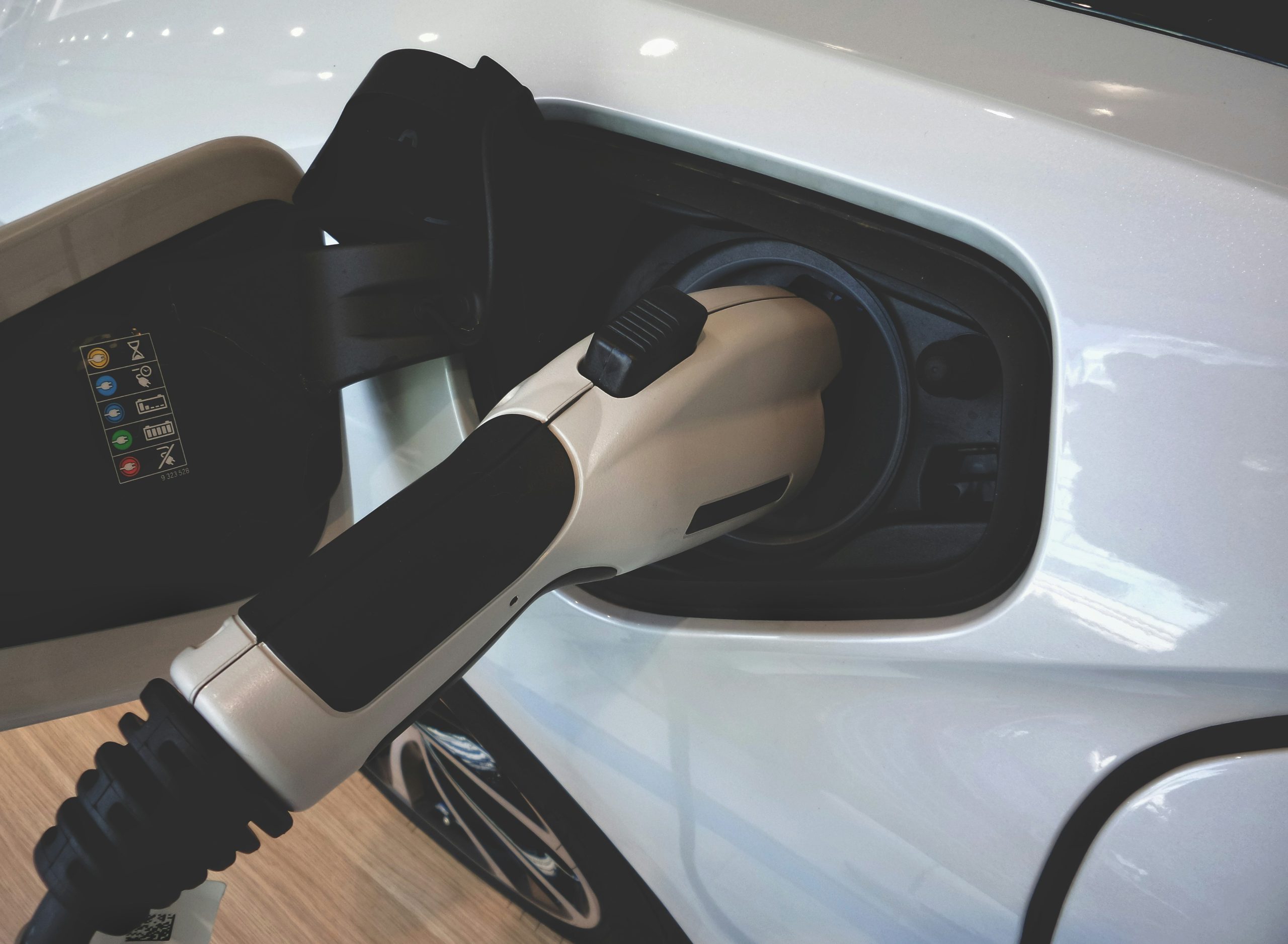
The charging process via CCS looks very simple from the user’s point of view. You drive up to the station, plug in the cable and wait. But there is a little more going on inside.
Firstly, the car and the station ‘communicate’ with each other. Through special contacts (known as CP and PP – control pilot and proximity pilot), information is exchanged: the car ‘tells’ how much energy it can accept, what voltage is safe, what the battery temperature is, and so on.
The station then chooses how to transfer the energy. If it’s AC charging, the current flows as usual, and the car’s built-in converter turns it into DC, which is the current that the battery needs. But if the station supports DC, it immediately transfers power directly to the battery, bypassing the converter. And that’s why charging is much faster.
Is CCS charging safe?
All CCS chargers have built-in protection systems. They monitor the temperature, voltage, current, charge level and simply cut off the power supply in case of failure. This protects both the vehicle and the charging station itself.
In addition, modern stations have a reasonable load. Let’s imagine that there are several electric cars at a petrol station at once, and they are all connected to the same “outlet”. The system distributes power so that everyone gets the maximum without overloading the network. This is especially relevant in urban areas and where electricity is expensive.
In addition, in many cases, you can track the charging process through the app: see how many kW have already been used, how much is left, how much it costs, etc. This is convenient for both the driver and those who manage the charging network.

Disadvantages that are also worth knowing about
Although CCS looks like an almost perfect option, it also has its weaknesses. And they should be taken into account.
- Plug size: It is indeed a bit bulky, especially compared to the regular Type 2. If you have a small car or are charging in an awkward place, it can be a bit inconvenient.
- The cost of charging stations: CCS chargers, especially high-power DC chargers, are expensive to install and maintain. Therefore, the cost of charging for the user can be higher. For example, at some stations, a kilowatt-hour via CCS can cost twice as much as at home via a conventional socket.
- Coating.: There are already plenty of CCS stations in big cities, but if you’re travelling to a smaller town or off the main roads, there may not be any yet. In this case, you will have to look for an alternative – or plan your route in advance.

ECOFACTOR: how we build modern infrastructure for electric vehicles in Ukraine
At ECOFACTOR, we are well aware that CCS charging is not just a type of connector. It’s about convenience, speed and confidence on the road. That’s why we not only support this standard in our equipment, but also create an ecosystem where drivers can use CCS charging simply, without any hassle.
Our company has been working with electric vehicles for over 10 years. We design and manufacture
We have also developed the ECOFACTOR EV Charging app available on
In addition to stations and software, we also have a full-fledged
What’s more, we don’t just sell equipment. Our ECOFACTOR Network operator platform enables you to manage a network of charging stations in the business sector: from reporting to billing. If you own a shopping centre, hotel, restaurant or residential complex, we can help you launch a fully-fledged charging service with CCS support.
So here’s what we propose:
| Direction. | What it is | How it relates to CCS |
| Charging stations | AC up to 44 kW and DC up to 420 kW, manufactured in Ukraine | CCS2 compatible, supports fast charging |
| App for drivers | Available on iOS and Android, allows you to search, connect, control the charging process | The map of charging stations includes CCS locations |
| Operator platform | Business tool: network management, tariffs, statistics | Supporting CCS as part of the infrastructure |
| Online shop | Cables, adapters, RFID cards, holders, charging units | Equipment for CCS, Type 2, mobile stations |
| Roaming | Joint network with partners in Europe and Central Asia | Access to CCS charging outside Ukraine |
Everything we create is aimed at making electric vehicles the norm, not the exception. We want charging via CCS to be a hassle-free experience that works – fast, safe and wherever you need it.
If you’re looking for a partner in the electric vehicle world who truly understands the realities of our market, you’ve already found it. At ECOFACTOR, we charge not only cars, but also shifts.
To sum up
CCS charging isn’t just another standard amongst many. It’s the option that’s becoming the norm for most new electric vehicles in Ukraine and across Europe as a whole. If you’re buying or planning to buy an electric car, there’s a good chance it already has a CCS2 connector. This is convenient, as it’s compatible with most charging stations and allows you to charge both at home and on the road – and quite quickly at that.
On the other hand, you shouldn’t think of CCS as a magic wand. Yes, it gives you access to fast charging, but it’s more expensive and isn’t available everywhere. Also, in some cases it can be difficult to find a suitable charging station in regions where the infrastructure is still being developed.
So, if you live in a city, have access to CCS stations, or frequently drive on highways where they are available, this is the obvious choice. And if you charge your car mostly at home or rarely travel far, you can also use AC via Type 2 if your car supports both options. But either way, CCS gives you more flexibility and future-proofing.
Frequently asked questions
Can I charge a car with a CCS connector at a regular Type 2 station?
Yes. If the station transmits AC (slow charging) and your electric vehicle has a CCS2 connector, then it is also compatible with Type 2. It’s just that in this case, only the upper part of the connector will work, i.e. AC charging, without fast DC charging.
What if I have a Type 2, can I connect to CCS charging?
No. If your electric vehicle only has a Type 2 connector, you will not be able to use a CCS station that only transmits DC. You need the correct connector and support from the car.
How fast does the car charge via CCS?
It depends on the power of the station and the characteristics of your car. For example, at a 100 kW station, an electric car with a 60 kWh battery can receive an 80% charge in 25-30 minutes. But if your car only accepts 50 kW, it won’t be faster, even if the station is more powerful.
Can CCS charging damage the battery?
Not if everything is in good working order. The vehicle and the station are constantly exchanging data. If the battery overheats or cannot receive a certain amount of power, the process automatically slows down or stops. The system is built with safety in mind.
Why do some cars have CHAdeMO instead of CCS?
CHAdeMO is a Japanese standard that is still used in some Nissan (e.g. Leaf) or Mitsubishi models. But in Ukraine, it is less common, and manufacturers are gradually switching to CCS because it integrates better with the European infrastructure.
Can I install CCS charging at home?
It is possible, but it is a rather expensive option. AC stations (Type 2) are usually installed at home because they are cheaper and fast enough for overnight charging. CCS charging at home only makes sense if you need to charge a lot of cars very quickly, for example, for a business or taxi fleet.