

Table of contents:
On paper, they’re both electric vehicles. Both are saloons. Neither makes a noise, neither smells of petrol, and both promise the technology of the future today. But in terms of feel, the NIO ET7 and the Tesla Model 3 are cars with different philosophies. One emphasises comfort and space, whilst the other focuses on performance and the flexibility of its ecosystem. One leans towards luxury, the other towards minimalism.
In this article, we won’t be converting milliseconds into hundreds or comparing figures from brochures. We’ll look at them through the eyes of someone who’s thinking not about graphs, but about their daily commute.
We remind you that you can purchase home and commercial charging stations in our online storeand also use the public charging stations ECOFACTORcharging points located throughout Ukraine. For convenient access to charging infrastructure, we recommend using our mobile applicationwhich is available on iOS and Android.
What are these cars designed for?
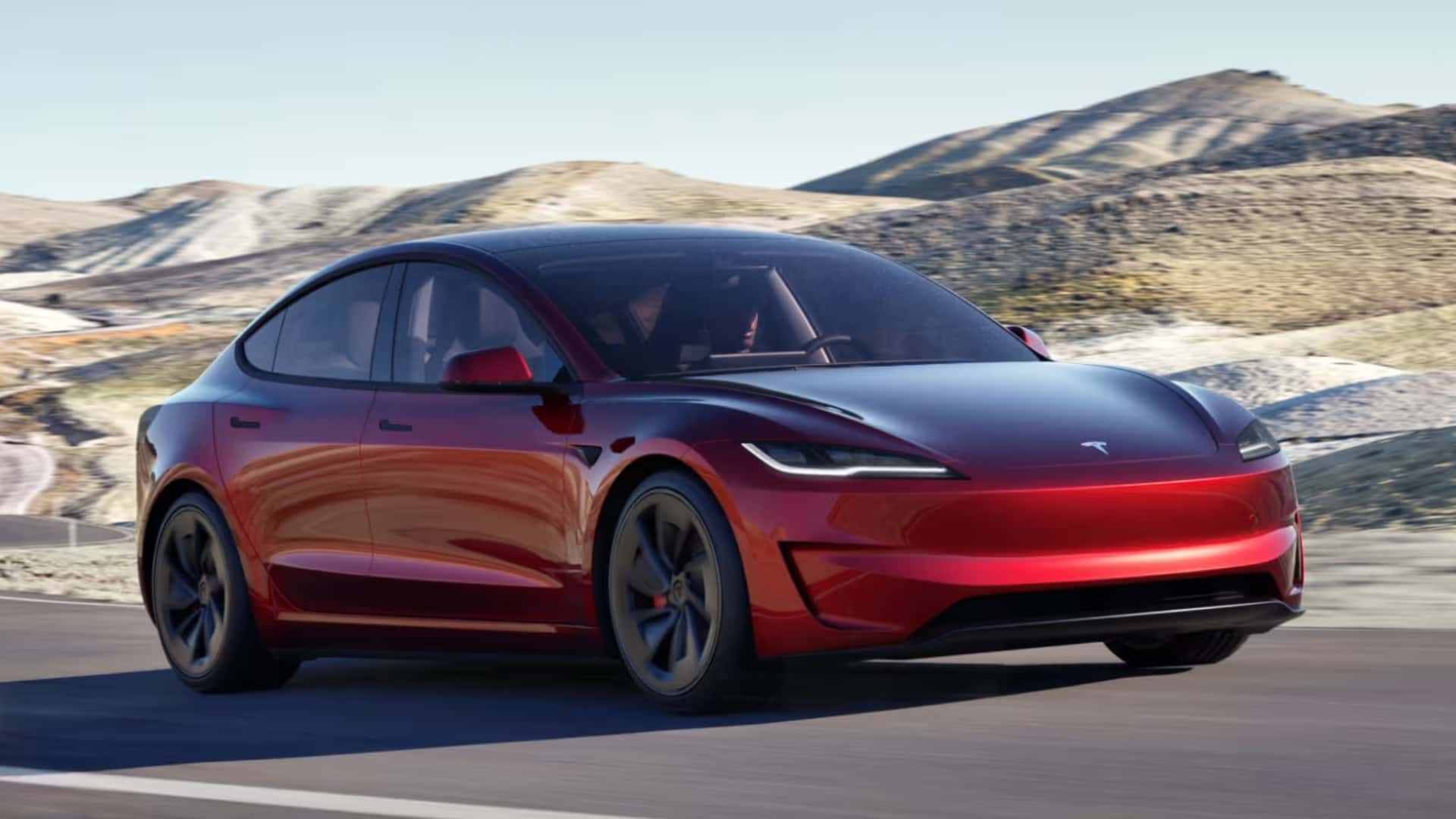
The Tesla Model 3 is an electric car designed for the mass market. Its concept is based on simplicity, efficiency and an affordable price, and it is perfectly balanced for city driving and short journeys. It is lightweight, compact and features a minimum of elements that might be distracting.
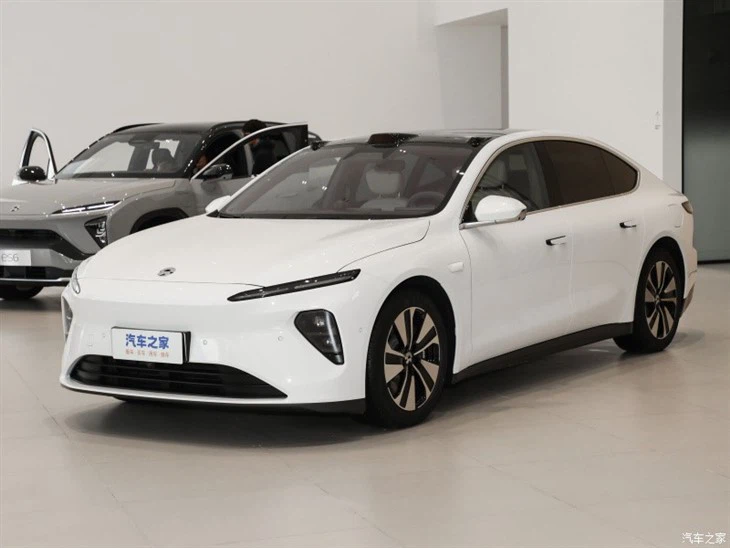
The NIO ET7 is a fully-fledged electric executive saloon. It is designed as an alternative to the BMW 5 Series or Audi A6, but with an electric powertrain. A spacious interior, premium materials, dual screens and a dual-motor system – all indicate that this car is designed for long, comfortable journeys rather than for zipping around town.
Dimensions and platform: how they feel when in motion
The Tesla Model 3 is a classic D-segment car. Length: 4,694 mm, width: 1,849 mm. It’s practical in town, easy to park and offers good handling. However, the interior is rather cramped – especially for rear passengers. The wheelbase is 2,875 mm. This car is better suited to one or two people who value compactness and manoeuvrability. On the track, the Model 3 feels stable, but in strong crosswinds or on uneven surfaces, its weight and wheelbase do not provide the same confidence as larger models.
The NIO ET7 is already in the E/F segment. Length – 5,101 mm, wheelbase – 3,060 mm. Weight – over 2,400 kg. It’s a large car that requires more space, but also offers greater comfort. There is much more space in the cabin, particularly in the second row. The car is substantial, but it drives smoothly and quietly. On the road, it feels like an executive saloon: minimal jolts, stability at speed and complete isolation from noise. In town, you’ll need to get used to its size, but on the motorway, it’s the perfect cruiser.
Power reserve and battery
When choosing an electric car, one of the first questions that springs to mind is how far it will travel on a single charge. And this isn’t just a matter of curiosity; it’s directly linked to how you’ll be driving on a day-to-day basis. Let’s look at the figures, but also see how this works in practice, because the same mileage can feel completely different in a Tesla and a NIO.
Tesla Model 3:
- Useful capacity: 51 kWh
- Actual power reserve: up to 410 km (mild weather), 290 km (winter)
- Consumption: ~146 Wh/km
NIO ET7:
- Useful capacity: 73.5 kWh
- Actual power reserve: up to 480 km (mild weather), 350 km (winter)
- Energyconsumption: ~ 177 Wh/km
NIO uses more power, but it also has a larger battery. On city journeys, the ET7 allows you to travel further without stopping. This is handy if you often drive on the motorway.
What does this mean in practice?
The Model 3 is more efficient and uses less energy per kilometre, which is particularly noticeable in town or on short journeys. However, its smaller battery means you’ll need to recharge more often, especially in winter or if you drive fast. This isn’t a problem if you have a home charging point or use a nearby Supercharger.
The ET7 has a greater power reserve, which reduces anxiety during long journeys. Its battery retains its charge better on the motorway, even when the air conditioning is on or you’re driving at higher speeds. However, the increased weight and power mean that energy consumption will be higher in town. The choice here depends on your driving style: if you frequently travel long distances and don’t want to worry about charging, the ET7 will be the more stress-free option. If, on the other hand, you need a car for short daily journeys and convenient charging at home, the Model 3 will be the more practical choice.
Charging: it’s not just about speed, but also infrastructure
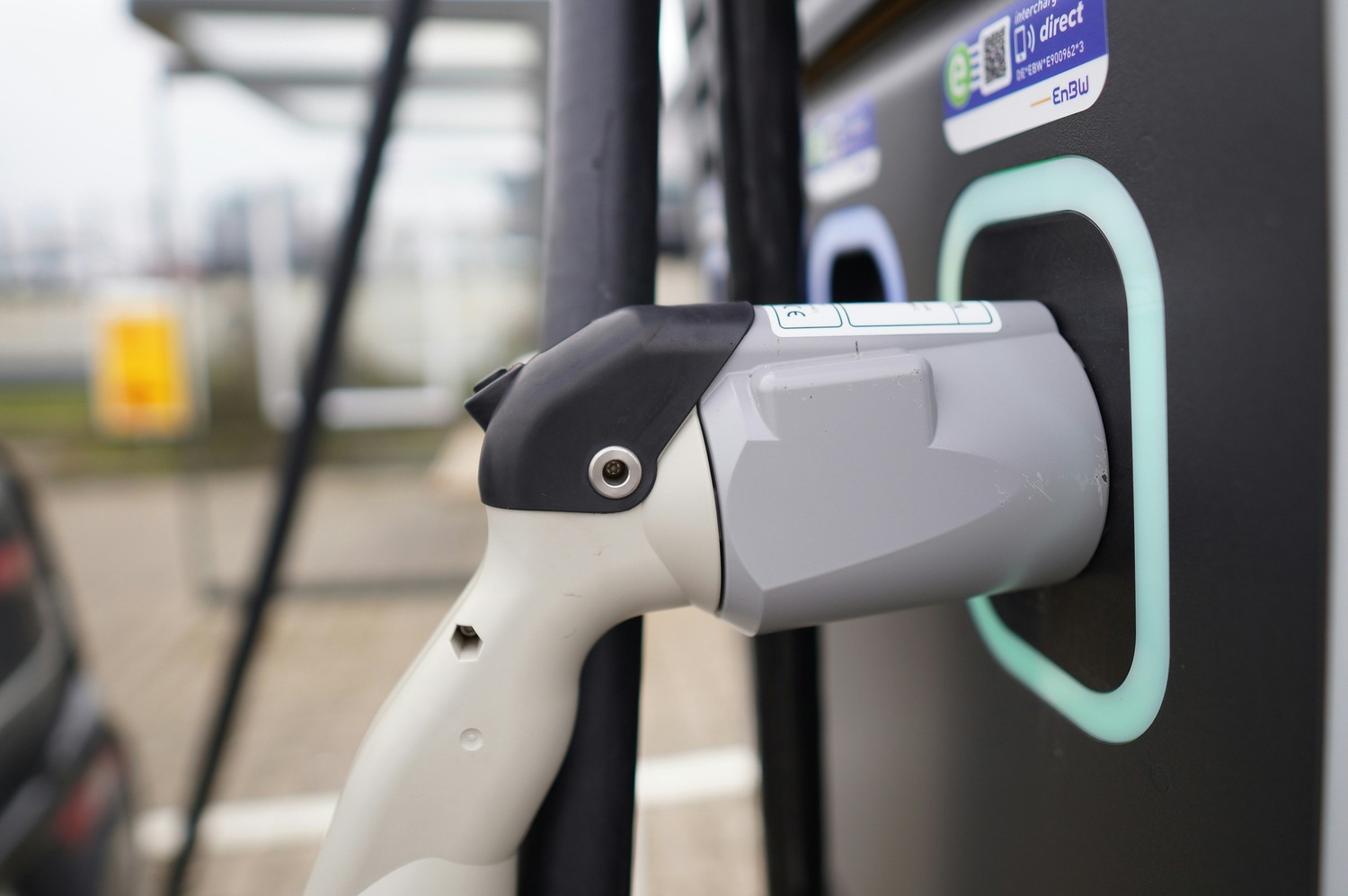
Even the best electric car is worthless if there’s nowhere to charge it. It’s not just about power here, but also convenience – how easy it is to find a charging point, whether you have to queue, and whether everything connects without any faffing about with the cable. Next, we’ll take a look at how things stand with Tesla and NIO.
Tesla Model 3:
- Maximum power: 170 kW
- Medium 10-80%: 105 kW
- Charging 10-80%: ~21 min
- Advantage.: the Supercharger network, with a maximum power output of up to 170 kW for the Standard Range Plus and support for Autocharge (excluding Plug & Charge).
NIO ET7:
- Maximum power: 140 kW
- Medium 10–80 per cent: 110 kW
- Charging from 10% to 80%: ~30 mins
- Drawback: in most European countries, NIO’s proprietary infrastructure is either non-existent or limited, with the exception of certain markets, such as Norway.
Tesla has the edge thanks to its charging ecosystem. Even if charging speeds are roughly the same, the ease of access to Superchargers makes journeys simpler.
When it’s not just the car that matters, but also where to charge it: how we’re tackling this with ECOFACTOR
When comparing electric vehicles, it’s easy to focus on the cars themselves – their range, charging speed or interior. But any electric car owner will tell you: it’s not just how the car drives that matters, but also where you can conveniently charge it. This is exactly where we at ECOFACTOR help out every day.
We have developed a comprehensive suite of solutions for electric vehicle owners in Ukraine: from our own range of charging stations to a mobile app for drivers. Our platform already brings together thousands of users who charge their vehicles daily at charging points across the country.
Through our app (available for Android and iOS), drivers can find a map of charging stations, check the availability of charging points in real time, and manage their charging from their smartphone. It’s handy, especially when travelling outside the city or planning your route in advance. And it doesn’t matter whether you have a Tesla, a NIO or any other electric car – it works across the board.
We offer bespoke solutions for businesses: infrastructure for vehicle fleets, corporate clients and property developers. If you need to set up a charging station at home, at work or in a shopping centre, we’ll select the right model for you (we have AC stations up to 44 kW and DC charging stations up to 420 kW available), install it and connect it to our monitoring system.
Operates separately online shop, where you can buy charging cables, mobile charging stations and accessories. You can also book a personalised consultation there – we’ll help you understand the specifications so you don’t end up buying anything you don’t need.
We design and assemble equipment in Ukraine in accordance with industry standards. And when you get into your NIO or Tesla, we want charging not to be a hassle. We want everything to work smoothly, without any unnecessary complications. That’s exactly why we created ECOFACTOR.
Acceleration and dynamics
The figures on paper are impressive, but they don’t always reflect how a car behaves on the road. This is particularly true of electric vehicles, where instant torque changes the driving experience. What matters here isn’t just which one reaches 100 faster, but also how it feels to drive. Let’s see how Tesla and NIO fare in this respect:
- Tesla Model 3: 0-100 km/h in 5.6 seconds, rear-wheel drive ( for Standard Range Plus).
- NIO ET7: 0–100 km/h in 3.8 seconds, all-wheel drive.
The NIO is clearly faster here. But in real life, what matters more is how the car handles in town, how it responds to the accelerator, and how it brakes. The Tesla is lighter, more responsive on the road and handles corners better. The NIO is heavier, but rides more smoothly and is almost silent. If you’re looking for a thrill, go for the Tesla. If it’s comfort you’re after, go for the NIO.
Salon, materials, space
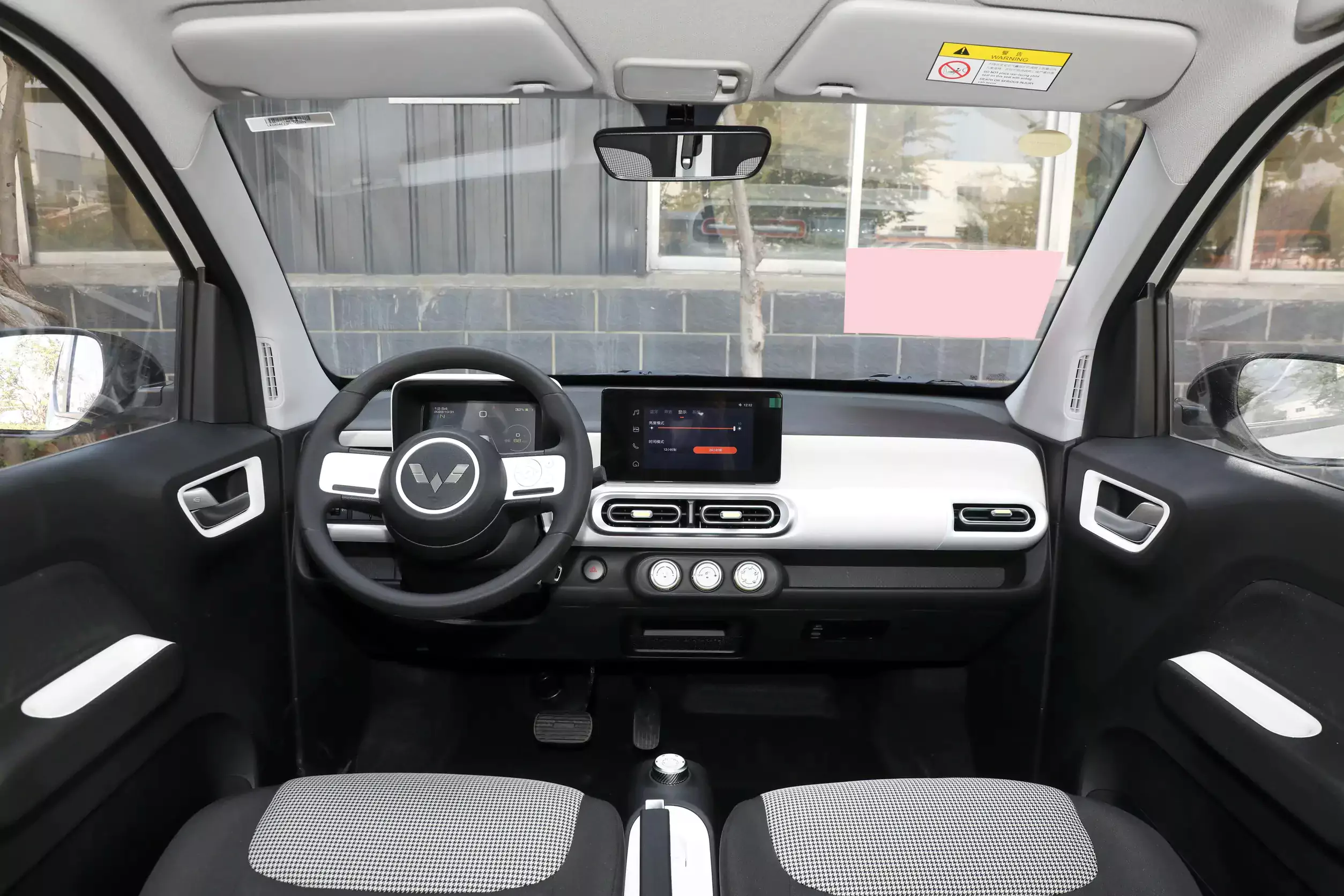
Day-to-day use of a car isn’t just about the pedals and the steering wheel. It’s about the seats, the armrests, the suspension, the noise outside the window, and how you feel after an hour stuck in a traffic jam. This is where Tesla and NIO take a completely different approach to the interior. One focuses on minimalism and functionality; the other on comfort and attention to detail.
Tesla Model 3:
- Minimalist design.
- One large display.
- Rigid suspension.
- A bit of plastic.
NIO ET7:
- Plush interior, panoramic roof.
- Displays for the driver and passenger.
- More space for your legs and head.
- Softer suspension.
The ET7 comes with a heat pump as standard, ventilated seats and business-class sound insulation. With Tesla, things are simpler, but the focus is entirely on functionality.
Security and electronics
Electric vehicles are often discussed in terms of acceleration, range or design. But safety is something you want to come as standard. Both models have high safety ratings, but implement driver-assistance systems in different ways. It’s not so much about counting the features as it is about understanding how they work in everyday life:
- Tesla Model 3: 5-star Euro NCAP rating, 96% adult protection.
- NIO ET7: 5-star Euro NCAP rating, 91% adult protection.
Both feature automatic braking, lane-keeping and blind-spot monitoring. Tesla’s settings are more stringent, whilst NIO’s are more lenient. One focuses more on control, the other on comfort.
Which car is right for whom?
There’s no one-size-fits-all electric vehicle. One driver is looking for maximum efficiency for everyday use, whilst another prioritises comfort on the motorway and a spacious interior. It’s not a question of ‘which one is better’, but rather ‘which one is right for you’. Let’s try to break it down.
Tesla Model 3:
- For city and daily journeys.
- If you’re looking for a light and comfortable car.
- If the charging network is important.
- If you’re on a tight budget.
NIO ET7:
- For motorways and long-distance journeys.
- If you need space and peace and quiet in the cabin.
- If you value comfort and premium features.
- If you’re willing to pay more for a bigger car.
What is important for Ukraine
The choice of an electric vehicle in Ukraine depends not only on its specifications, but also on the infrastructure. Tesla has good charging support thanks to its Superchargers, as well as a large number of compatible CCS charging points. In many cities, it’s now common to see Teslas; they’re easier to maintain and easier to sell on the second-hand market.
The NIO ET7 is still a rarity in Ukraine, but it’s ideal for those looking for something out of the ordinary and better equipped. In regions with well-developed charging networks (such as ECOFACTOR) and where home charging is available, it’s a viable alternative for comfortable journeys. However, you need to bear in mind the car’s size and the challenges of servicing it outside major cities.
Key differences in figures
Before making a choice, it’s worth looking at the key factor – how these two cars compare in terms of figures. This will help you quickly understand the overall difference in the specifications and class of each model.
| Parameter. | NIO ET7 | Tesla Model 3 |
| Range (mild weather) | 480 km | 410 km |
| Range (winter) | 350 km | 290 km |
| Acceleration 0–100 | 3.8 s | 5.6 s |
| Reason. | AWD | RWD |
| Power | 480 kW (total, twin-motor AWD system) | 208 kW |
| Weight | 2,434 kg | 1,700 kg |
Conclusion
These two electric vehicles are not direct competitors. The Tesla Model 3 is an electric saloon for everyday use. It is simple, efficient and has long stood the test of time. The NIO ET7 takes things to a whole new level. It is more expensive, larger, more comfortable and more powerful.
The choice isn’t just down to your budget. If you need to get around town easily, charge your car anywhere and avoid paying over the odds, the Model 3 is the logical choice. It takes up less space, has a good charging infrastructure and is easy to maintain. For most urban scenarios, it offers the best balance of price and convenience.
If, on the other hand, you’re looking for something closer to an electric business-class car, the NIO ET7 is well worth a look. It’s designed for relaxed long-distance journeys, offering maximum comfort and a quiet cabin. This car isn’t for those in a hurry, but for those who want to feel like a first-class passenger even on the Zhytomyr–Lviv motorway. This choice will suit those who are prepared to put up with its size and slightly more complicated logistics in exchange for a superior experience.
Frequently asked questions
Is it worth comparing NIO ET7 and Tesla Model 3 directly?
Not quite. These are different cars in terms of class and concept. The Tesla Model 3 is closer to a lightweight electric sedan for everyday use, while the NIO ET7 is more of a business class with a focus on comfort. You can compare, but it is important to understand the context.
Which one is better suited for long-distance travel?
Objectively, it’s the NIO ET7. It has a longer range, a more spacious interior, and a smoother ride. But only if you have a normal charging infrastructure at hand. Tesla compensates for the slightly lower range with its own Supercharger network, and this is also a significant plus.
What about charging in Ukraine?
It all depends on where you are charging. If you drive in cities, the ECOFACTOR platform is convenient – you can quickly find a nearby charging point, see if it’s free, and start charging without any further action. It works with any electric vehicle.
Is there a difference in dynamics between them?
Yes, and quite a bit. The ET7 starts faster and more confidently, especially with all-wheel drive. But the Tesla Model 3 feels livelier on the steering wheel – it’s lighter, lower and quicker to respond to corners. Choose according to your driving style.
The Tesla Model 3 looks simpler on the inside. Is this a disadvantage?
It depends on your taste. If you like minimalism and “nothing superfluous”, you’ll like it. If you want soft materials, space, and a place to put your phone, the NIO is more pleasant.
Who serves the NIO in Ukraine?
There is no official support yet. This is important to consider before buying. Tesla also does not have an extensive official network, but there are already enough services that serve it. NIO is a newer player, so the service is still being formed.