

Table of contents:
Short Summary: According to Consumer Reports (2025), hybrid vehicles show 15% fewer problems compared to petrol cars, while fully electric models have 80% more faults. The most reliable electric vehicles for daily use are recognized as the Tesla Model 3, Hyundai Kona Electric, and Nissan Leaf 2nd generation, which have passed the test of time on the Ukrainian and global markets.
Choosing an electric vehicle for daily use is not only a question of range or charging speed. Reliability becomes the key factor, especially when the car must provide stable trips to work, school routes, and everyday tasks.
Statistics show an interesting paradox: although hybrids have 15% fewer problems compared to traditional cars, fully electric models demonstrate 80% more faults. But why does this happen?
The thing is that most electric vehicles are relatively new models with innovative technologies that have not yet passed a decade of refinement. At the same time, some electric cars have already proven their reliability in practice.
We remind you that you can purchase home and commercial charging stations in our online store, as well as use public charging stations ECOFACTOR located throughout Ukraine. For convenient access to charging infrastructure, we recommend using our mobile app, available on iOS and Android.
Why Electric Vehicle Reliability Is So Important for Daily Use
Imagine the situation: in the middle of the working week, the car refuses to charge or the software fails. For a petrol car, this is an inconvenience, but for an electric vehicle, it can mean days of downtime at a service center.
Consumer Reports conducted an analysis of more than 380,000 vehicles in 2025. The results showed that electric vehicles and plug-in hybrids have the highest level of problems among all types of transport.
But some manufacturers have already learned to create reliable electric cars. Here is what matters for daily operation:
- Software stability: most problems with modern electric vehicles are related specifically to electronics
- Battery thermal management: the battery must work equally well in heat and frost
- Service availability: even the most reliable car needs scheduled maintenance
- Predictable battery degradation: owners should know what to expect in 3-5 years
According to Which? (April 2026), battery degradation of electric vehicles registered in 2024-2025 averages only 3%, which is a quite acceptable indicator.
Rating of the Most Reliable Electric Vehicles for Daily Use
Based on data from Consumer Reports, NHTSA, and analysis of the Ukrainian used EV market, here are the models that are best suited for daily use.
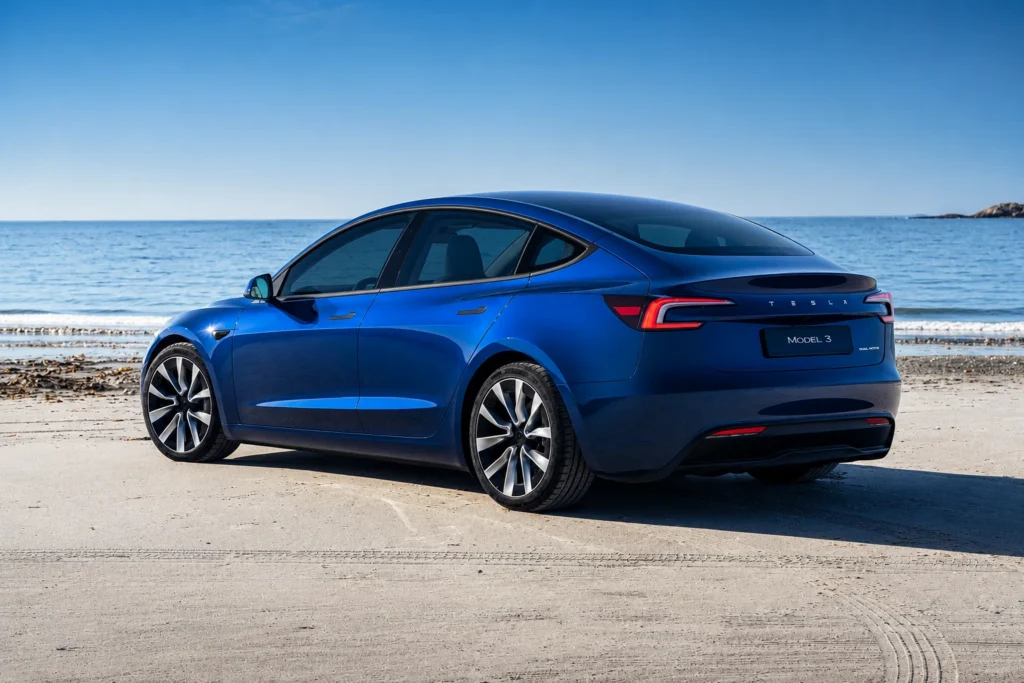
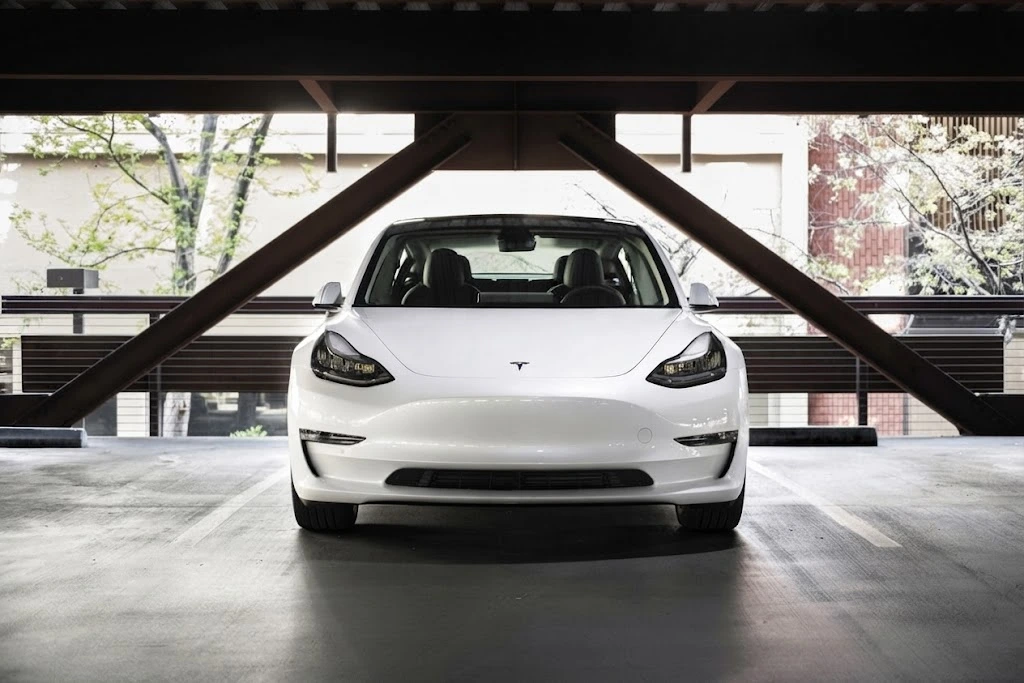
Tesla Model 3 — The Gold Standard of Reliability
The Model 3 became one of the most popular electric vehicles in the world for a reason. Production began in 2017, and during this time Tesla has managed to fix most of the teething problems.
Advantages for daily operation:
- Minimal number of moving parts — 80% fewer parts that can break compared to ICE
- The largest Supercharger charging network in the world
- Regular software updates over the internet
- Range of 400-570 km depending on the version
Real owner experience shows that the Model 3 battery retains 90-92% of its original capacity after 5 years of use. This is one of the best indicators in the industry.
Hyundai Kona Electric — Practical Crossover
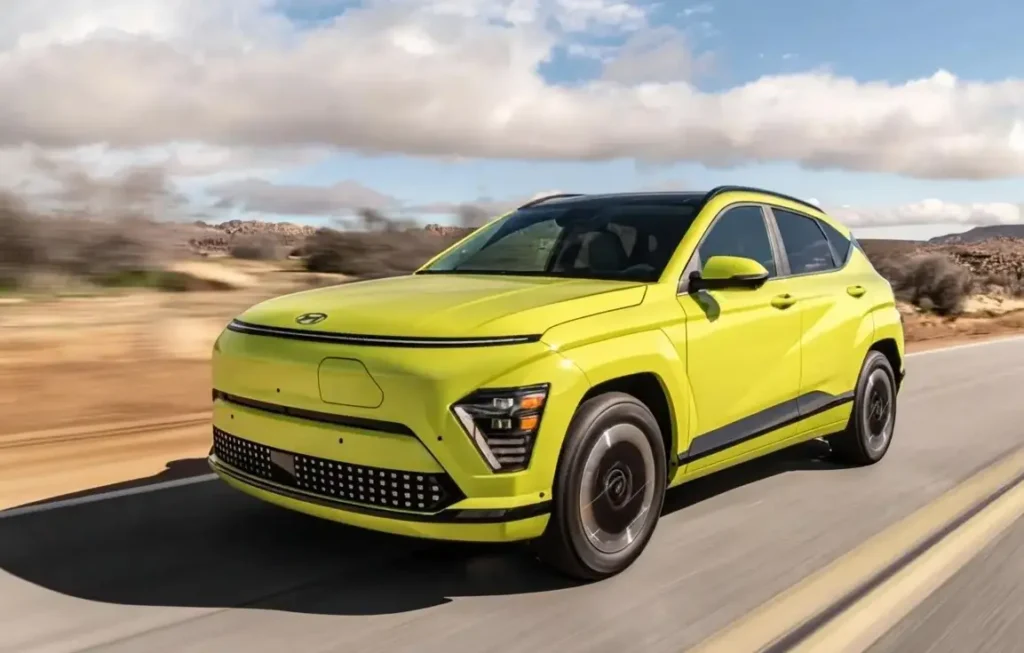
The Kona Electric has earned a reputation as one of the most trouble-free electric vehicles. Hyundai took a conservative approach to technology, using proven components.
The model received high safety ratings from NHTSA and shows stable performance in various climatic conditions. A range of 334-524 km ensures comfortable daily use.
Important point: Hyundai owns a 33.88% stake in Kia, so both manufacturers use shared platforms and technologies, which increases the overall reliability of both brands.
Nissan Leaf 2nd Generation — Time-Tested Option
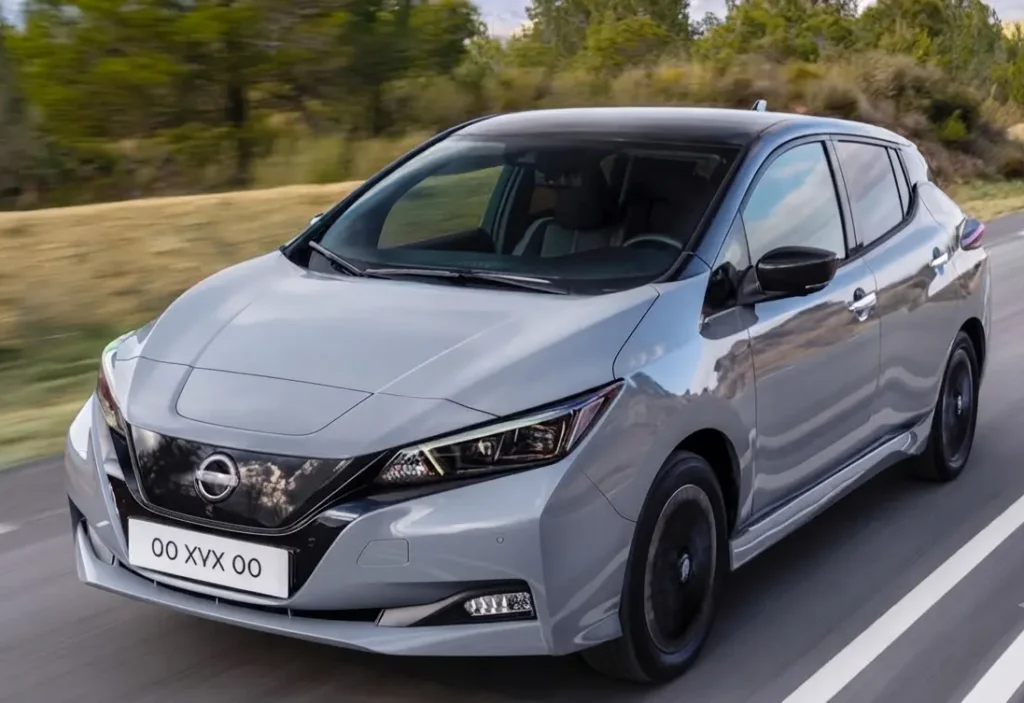
The Leaf is a pioneer of the mass electric vehicle market. The second generation Nissan Leaf (ZE1) continues to use passive air battery cooling.
Why the Leaf is suitable for daily use:
- Simple and reliable design without unnecessary technological excesses
- Huge global base of installed vehicles — over 600,000 units sold
- Affordable spare parts and qualified service centers
- Adequate price on the secondary market
According to the Ukrainian used electric vehicle market (January 2026), the Nissan Leaf steadily maintains prices, indicating stable demand and buyer confidence.
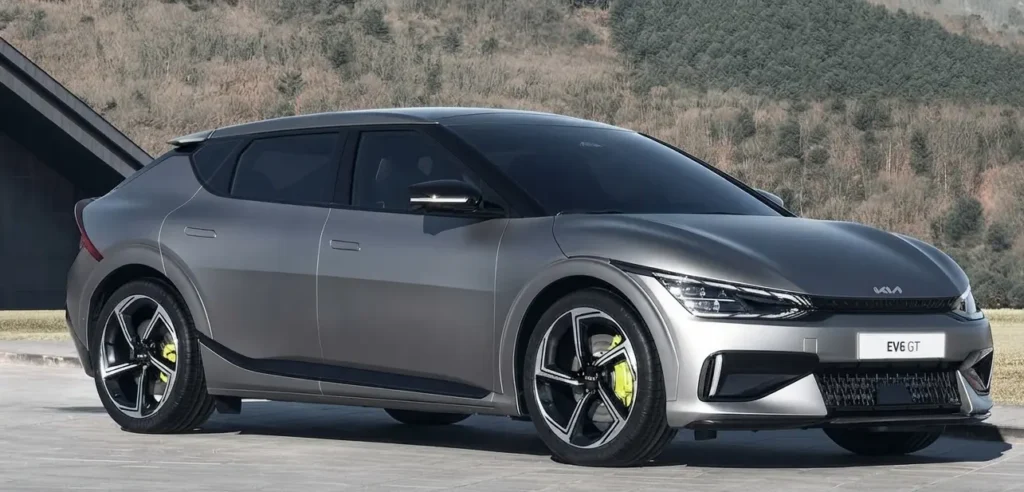
Kia EV6 — Innovation with Reliability
The EV6 represents the latest generation of electric vehicles on the E-GMP platform with 800V architecture. But are these too new technologies for reliable daily operation?
Practice shows that no. Kia took an evolutionary approach, taking proven components and improving them. The result is impressive — charging from 10% to 80% in 18 minutes at fast charging stations.
A range of up to 528 km makes the EV6 an excellent choice for those who combine city and suburban trips. NHTSA included the model in the 2026 list for crash tests, confirming a high level of safety.
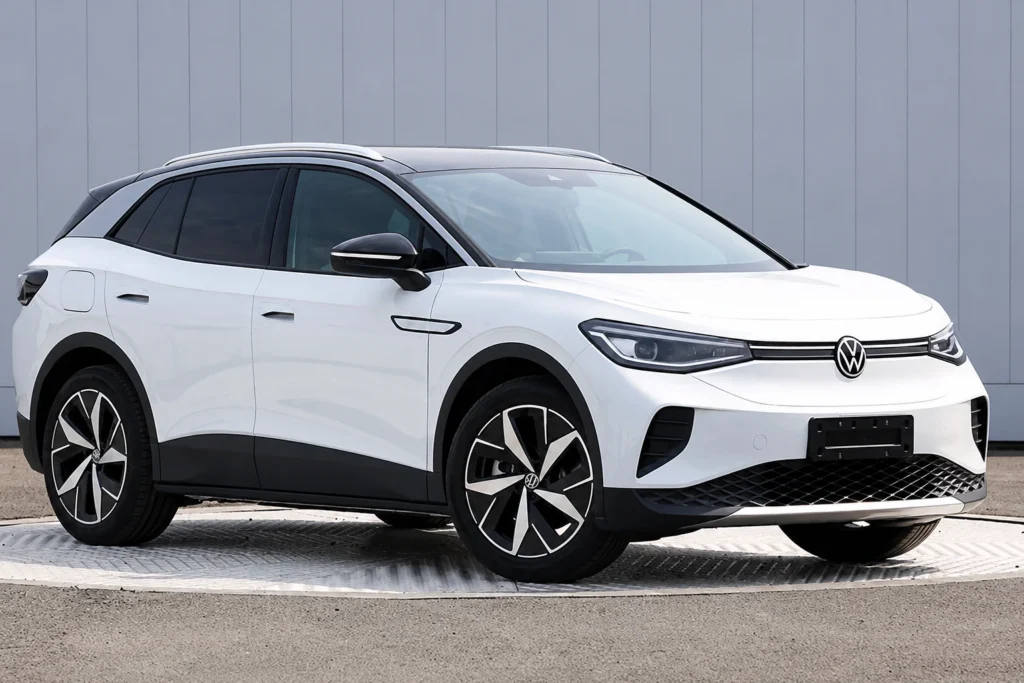
Volkswagen ID.4 — European Quality
The ID.4 became Volkswagen’s most popular electric vehicle and one of the most reliable in the family crossover class.
The average price for a used Volkswagen ID.4 (2021-2023) on the Ukrainian market ranges from $20,000 to $30,000.
Advantages for daily operation include a spacious interior, intuitive controls, and reliable German assembly.
American Safety and Reliability Standards
NHTSA (National Highway Traffic Safety Administration of the USA) conducts annual crash tests of electric vehicles. In 2026, models such as the Audi Q4 e-tron, BMW X5, and others were included in the list.
The NHTSA 5-star rating system takes into account not only physical safety in a collision but also technologies for preventing accidents. Most modern electric vehicles receive high ratings due to a low center of gravity (battery in the floor) and advanced driver assistance systems.
According to the NHTSA statement dated October 23, 2024, in 2025 the agency tested 37 models, of which 8 were electric or hybrid. In 2026, this proportion increased, reflecting the overall trend of market electrification.
New Players on the Market: Chinese Electric Vehicles
BYD Song Plus, Zeekr, Wuling Bingo, and other Chinese brands are actively capturing the Ukrainian market. As of January 2026, the BYD Song Plus has risen in price from $26,500 to $28,950 due to high demand.
But can these models be considered reliable for daily use? The question remains open. Chinese manufacturers offer rich equipment at an affordable price, but long-term reliability has not yet been confirmed by time.
The reality is that most of these models have been on the market for less than 2-3 years. An objective assessment of reliability requires at least 5 years of operating experience.
| Model | Range (km) | Charging Time 10-80% | Years on Market | Reliability Level |
|---|---|---|---|---|
| Tesla Model 3 | 400-570 | 25-30 min | 9 years | High |
| Hyundai Kona Electric | 334-524 | 45-55 min | 6 years | High |
| Nissan Leaf | 270-385 | 40-60 min | 8 years (2nd gen) | High |
| Kia EV6 | 400-528 | 18 min | 3 years | Medium-High |
| Volkswagen ID.4 | 350-520 | 35-40 min | 4 years | Medium-High |
| BYD Song Plus | 420-500 | 30-40 min | 2 years | Undefined |
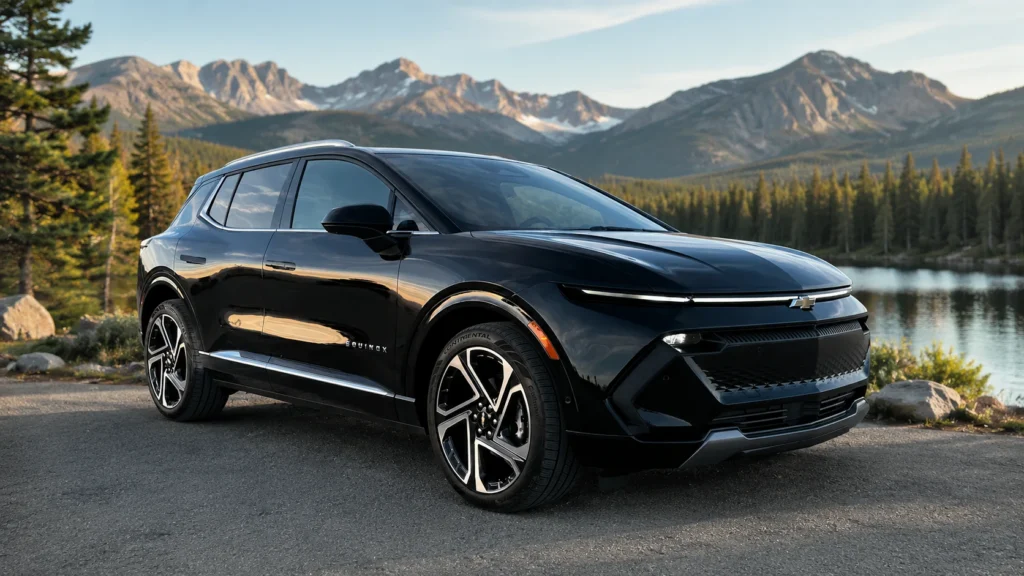
Chevrolet Equinox EV — Affordable Newcomer to the American Market
Consumer Reports in December 2024 presented a review of the new Chevrolet Equinox EV. The base model 2025 price starts at $34,995 for the base front-wheel-drive LT version. This is General Motors’ most affordable electric crossover.
The model is equipped with an 85 kWh battery and two electric motors with 290 hp in the all-wheel-drive version. Prices range from $34,995 (FWD LT) to $49,090 (AWD RS).
The Equinox EV is built on the same Ultium platform as the Honda Prologue and Acura ZDX. However, it should be noted that Honda announced the end of its partnership with GM regarding future electric vehicles.
Is it worth considering the Equinox EV for daily use? The model is still too new — the first units are only appearing on the market in 2024-2025. Time is needed to verify reliability.
What Owners’ Experience Shows
Which? conducted a survey of more than 4,000 electric vehicle owners in April 2026. The results show the real picture of battery degradation according to Which? Car survey 2025 (conducted April-June 2025):
- Vehicles registered 2024-2025: 97% remaining range
- Vehicles registered 2022-2023: 95% remaining range
- Vehicles registered 2020-2021: 95% remaining range
- Vehicles registered 2018-2019: 94% remaining range
These data debunk the myth of rapid battery degradation. Even after 6-8 years of operation, electric vehicles retain 90% of their original capacity. For daily trips, this is quite acceptable.
How to Choose the Most Reliable Electric Vehicle for Your Needs
Here are practical selection criteria:
- Check the model history: Electric vehicles that have been on the market for at least 4-5 years demonstrate predictable reliability. The Tesla Model 3, Nissan Leaf, and Hyundai Kona Electric have passed this test.
- Assess service availability: Even the most reliable car needs technical maintenance. Make sure there is an official or qualified service in your city.
- Consider the climate: If you live in a region with cold winters, choose models with effective battery thermal management. Hyundai and Kia show good results in frost.
- Consider charging infrastructure: If you do not have the ability to charge at home or at work, the costs of public stations may exceed fuel savings. According to Which? (April 2026), dependence on the public network makes an electric vehicle more expensive than a petrol equivalent.
- Don’t chase the latest technologies: Innovations are great, but for daily reliability it is better to choose proven solutions. The second or third generation of a model is usually more reliable than the first.
Hybrids as an Alternative to Fully Electric Models
Consumer Reports data shows that hybrid vehicles have 15% fewer problems compared to petrol cars and significantly outperform electric vehicles in reliability.
If reliability is the absolute priority, it is worth considering hybrid models from Toyota, Lexus, or Subaru. These brands topped the reliability rating in December 2025.
Plug-in hybrids (PHEV) are gaining popularity among consumers. They combine electric range for daily trips and a petrol engine for long journeys.
Consumer Reports expanded PHEV testing in 2024 due to growing consumer demand. According to Consumer Reports, the average price of a new car in December 2024 was more than $48,000, but six of CR’s 2024 Top Picks had base prices below $30,000.

Ensure Stable EV Charging Without Downtime
In the daily operation of an electric vehicle, the weakest point is not the battery or range, but the organization of charging itself. ECOFACTOR helps solve the issue not with separate services, but as a single system for daily trips.
Build Charging for Your Usage Scenario
ECOFACTOR provides tools so you don’t depend on random decisions and don’t waste time searching:
- Mobile app for Android and iOS together with the map of charging stations for planning daily routes
- Online store where there is equipment, accessories, cables, and mobile chargers
- Charging station configurator to select an AC station for home or a DC station for fast charging
- Operator platform and white-label solutions if you need to deploy your own infrastructure
- Energy-efficient solutions for cost control with regular use
Contact ECOFACTOR and discuss your situation — they will select a specific solution tailored to your route and usage mode without unnecessary assumptions.
Conclusion: The Best Choice for Reliable Daily Operation
If you need maximum reliability and are willing to pay for quality — the Tesla Model 3 remains the gold standard. Nine years on the market, millions of cars sold, and a design proven by time.
For those looking for a balance between price and reliability, the Hyundai Kona Electric and Nissan Leaf offer an excellent price-to-reliability ratio. Both models have an established operating history and accessible service.
The Kia EV6 will suit technology enthusiasts who want fast charging and modern design without sacrificing reliability. The Volkswagen ID.4 is for fans of European build quality.
Chinese models may become a good choice in 2-3 years when sufficient operating statistics appear. For now, they remain a risky option for those who put reliability first.
The most important thing — remember that the most reliable electric vehicle for you depends on your specific operating conditions. Evaluate your daily route, charging station availability, climatic conditions, and maintenance budget. Only a comprehensive approach guarantees the right choice.
Frequently Asked Questions About Electric Vehicle Reliability
Which Electric Vehicle Is the Most Reliable for Daily Use in Ukraine in 2026?
According to Consumer Reports and analysis of the Ukrainian market, the Tesla Model 3 demonstrates the highest reliability with a 9-year operating history and 90-92% battery capacity retention after 5 years. The Hyundai Kona Electric and Nissan Leaf 2nd generation also show high reliability at a lower price.
Is It True That EV Batteries Degrade Quickly?
No, this is a myth. The Which? study (April 2026) showed that vehicles registered in 2024-2025 retain 97% of range, and even 2018-2019 models demonstrate 94% residual capacity. Degradation occurs gradually and predictably.
Why Do Electric Vehicles Have More Problems Than Petrol Cars?
According to Consumer Reports (2025), electric vehicles show 80% more problems compared to petrol cars. The main reason is new technologies and software that have not yet passed a decade of refinement. However, individual proven models like the Tesla Model 3 or Nissan Leaf show high reliability.
How Much Does Maintaining a Reliable Electric Vehicle Cost?
Electric vehicles have 80% fewer moving parts compared to ICE, which reduces maintenance costs. There is no need to change oil, filters, or spark plugs. The main costs are brake fluid replacement, coolant, and tire rotation. Annual costs are 40-60% lower than for petrol cars.
Is It Worth Buying Chinese Electric Vehicles Like BYD or Zeekr for Daily Use?
Chinese brands offer rich equipment at an affordable price — the BYD Song Plus costs $28,950 as of January 2026. However, long-term reliability has not yet been confirmed: most models have been on the market for less than 2-3 years. An objective assessment requires at least 5 years of operating experience. If reliability is critical, it is better to choose proven brands.
What Range Is Needed for Comfortable Daily EV Operation?
For daily trips within the city, 250-300 km of range is often sufficient. If you regularly travel to the countryside or neighboring cities, it is better to choose models with 400+ km. The Tesla Model 3 offers 400-570 km, Kia EV6 — up to 528 km, Hyundai Kona Electric — 334-524 km depending on the version.
Can You Buy an Electric Vehicle Without Home Charging Possibility?
According to Which? (April 2026), complete dependence on public charging stations makes EV operation more expensive than a petrol equivalent. In addition, routes must be carefully planned. If you do not have access to home or work charging, it is better to consider hybrid models, which show 15% fewer problems than electric vehicles.