


Table of contents:
Some terms from the world of electric vehicles may sound like something out of science fiction. Mode 3, Mode 4, controllers, connectors… but in reality, everything is much simpler than it sounds. For example, Mode 3 charging is simply one of the four standard ways to connect an electric vehicle to the power grid. In this article, we’ll look at what Mode 3 is, what its advantages are, where it can be […]
In this article, we’ll look at what Mode 3 is, what its advantages are, where it can be found in Ukraine, and how it differs from other charging options.
We remind you that you can purchase home and commercial
What is Mode 3 charging?
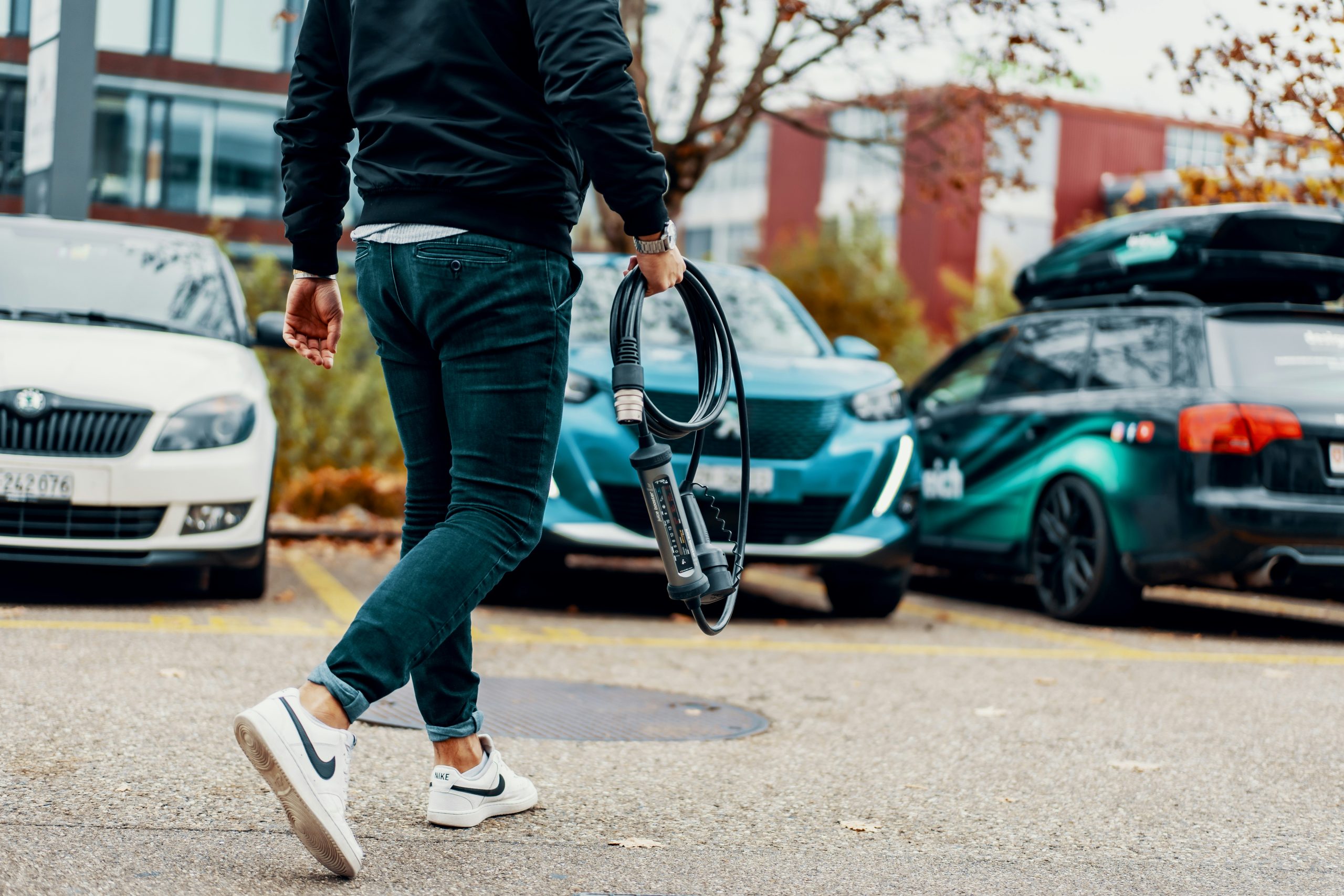
Mode 3 is the most common way to charge an electric vehicle, and the one you’re most likely to come across in everyday life. It is this type of charging that is used at most public charging points: near shopping centres, offices, car parks, residential complexes and even in some courtyards.
What is a Mode 3 charging cable?
Mode 3 is not just a connector, but an entire charging standard. It refers to the way in which the electric car, cable and charging station interact. A Mode 3 cable is not just a wire with a plug, but a fully-fledged interface that ‘communicates’ with the car. It tells the car how much current is required, checks that the connection is safe and, if necessary, stops the charging process.
The term “Mode 3” itself has nothing to do with charging speed. It simply describes how electricity is delivered from point A (the station) to point B (the car battery). It is one of four approved connection standards used by manufacturers around the world.
Other charging modes: a quick overview
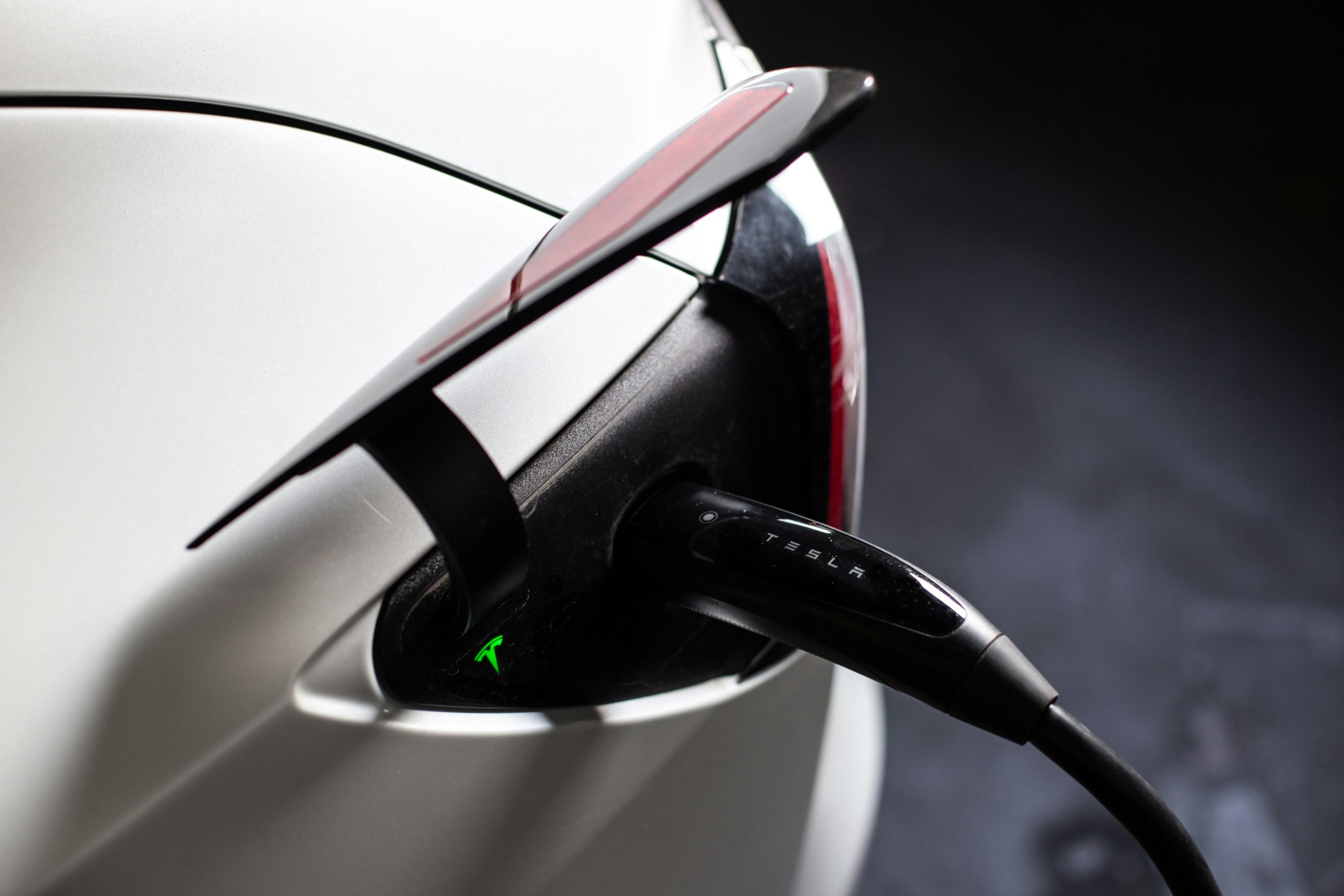
To better understand why Mode 3 has become the standard for most drivers, it’s worth taking a quick look at the other modes. They all have their own characteristics, and each is used in specific situations.
Mode 1 is the most basic method of charging. You take a standard extension lead or cable with no additional protection and plug it into a domestic socket. Electricity simply flows without any control, which poses serious risks: overheating, short circuits, and a lack of protection against power surges. This method is now considered outdated and is hardly ever used. In Ukraine, you’re only likely to come across it in old garages or, as a last resort, at a summer cottage.
Mode 2 is a step forward. The connection is still made via a standard domestic socket, but the cables contain a built-in control unit (IC-CPD) that manages the process: it limits the current, protects against overheating, and cuts off charging in the event of a fault. This solution is safer than Mode 1 and quite convenient for slow overnight charging at home. Especially if a charging station hasn’t been installed yet or you’re staying away from home temporarily.
Mode 4 is a different story altogether. This is fast DC charging, where electricity is fed directly into the battery, bypassing the car’s internal converter. Thanks to this, you can charge the battery to 80% in 20–40 minutes. This method is often used on long-distance journeys when a quick stop is needed to top up the battery. But there’s a catch: Mode 4 equipment is expensive, charging stations aren’t that widespread, and not all cars support this high charging speed. Furthermore, frequent use of Mode 4 can increase battery wear and tear in the long term.
In general, each mode has its place. But if you charge every day at home or at work, Mode 3 will be the best option in most cases.
Comparison of charging modes
| Mode. | Connection type | Power supply | Security. | Usage. |
| Mode 1 | Household socket without protection | AC | Minimal protection | Almost never used |
| Mode 2 | Household socket with cable controller | AC | Overload protection | Temporary charging at home |
| Mode 3 | Charging station with permanent connection | AC | Full protection and control | Most often in Ukraine |
| Mode 4 | Fast charging directly into the battery | DC | Full security protocol | Hubs and waypoints |
Advantages of Mode 3 charging
- Speed: Mode 3 provides a fairly high charging speed compared to the options available via a conventional outlet. Depending on the power of the station and the capabilities of the car itself, you can get from 3.7 to 22 kW. This means that you can fully charge the battery overnight (6-8 hours), even in a large crossover. And if you have a small electric car and a three-phase network, charging can take just a few hours. This mode is ideal for daily use: you plug in the car in the evening and the battery is full in the morning.
- Security: Mode 3 is not just about transferring electricity. The cable and the charging station are constantly ‘communicating’ with the car, monitoring temperature, current, the condition of the connections and the stability of the network. If anything goes wrong, the system immediately stops charging. This reduces the risk of overheating, short circuits or even fires. Furthermore, most charging stations are protected against moisture, power surges and incorrect connections, which is particularly important in Ukraine, where the mains voltage is not always stable.
- Convenience: Mode 3 charging stations have already become a standard for urban infrastructure. In large cities of Ukraine, charging stations are installed everywhere – near supermarkets, business centres, in shopping malls and even in some condominiums. And if you live in a private house, you can easily install a home station and charge your car in comfortable conditions. The connection is made via a Type 2 connector, which has become a common standard in Europe, so there are virtually no compatibility issues.
Disadvantages of Mode 3 charging
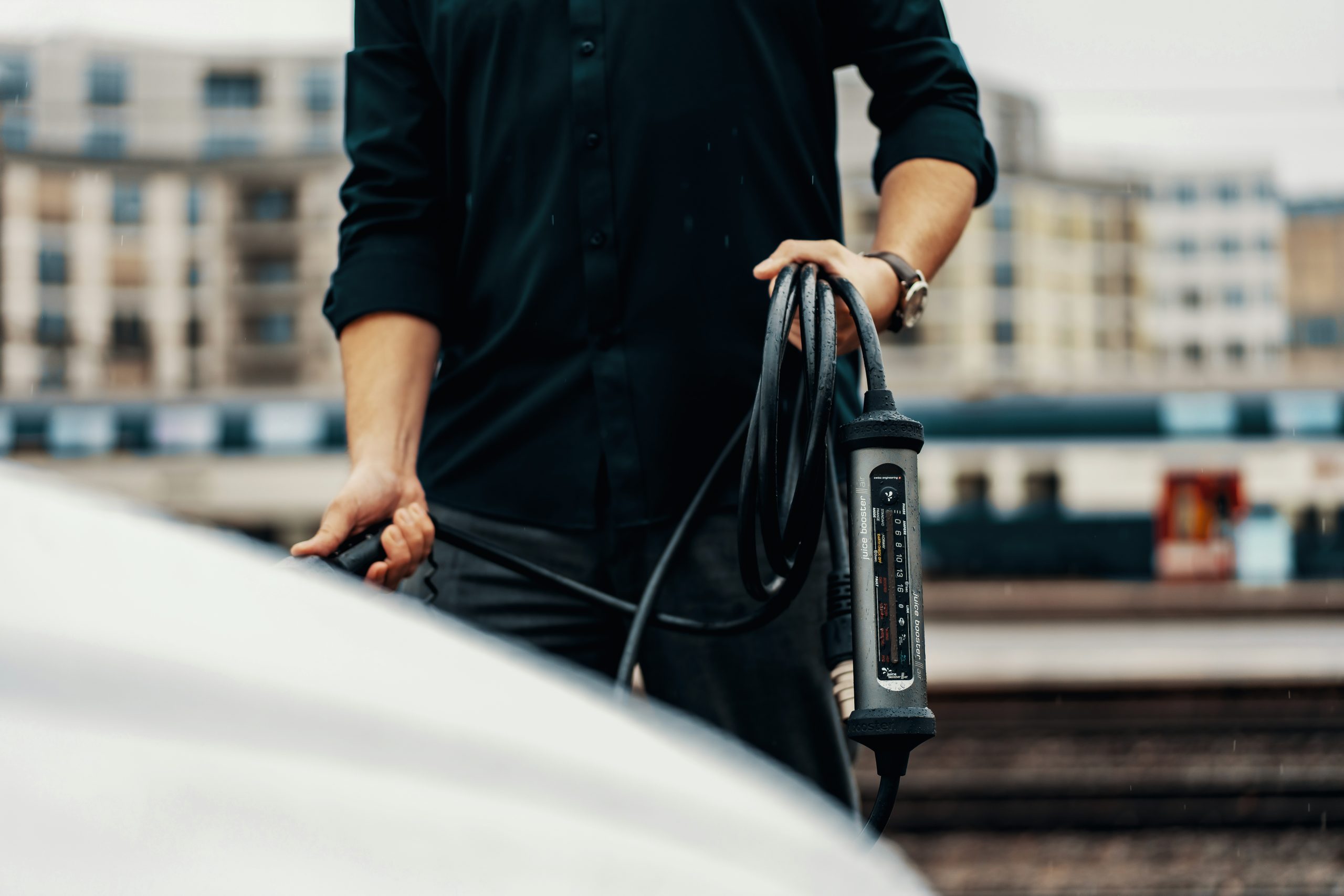
- The cost of the equipment: Installing a fully-fledged charging station is an investment. As well as the charger itself, you’ll need to buy a suitable cable, a circuit breaker, a protective earth connection and, often, even have a new power supply line installed. All this can cost several tens of thousands of hryvnias. And although these are one-off costs, not everyone is prepared to pay such a sum straight away, especially if the electric car is not yet the family’s main vehicle.
- The need for professional installation: Mode 3 cannot be simply plugged in. To ensure that everything works safely, you need a certified electrician to install the station, check the load in the network, grounding, circuit breakers, and other important elements. In some cases, you will have to coordinate the project with the energy company or even upgrade the house input if there is not enough power. This creates additional costs and takes time.
- It’s not exactly lightning speed: While Mode 3 is faster than a regular wall outlet, it’s not quite as fast as Mode 4. If you need to recharge urgently on the go, Mode 3 may be too slow. For example, in 30 minutes you will get no more than 30-40% charge, which may not be enough for a trip out of town. So in such situations, it is better to look for DC stations, although they are still fewer and more expensive.
Where can I charge in Mode 3 in Ukraine?
In fact, almost everywhere. Mode 3 has long been the standard for alternating current (AC), and it is this mode that is supported by the vast majority of charging stations currently being installed in Ukraine. If you see an electric car parked outside a supermarket or business centre and connected to a charging station, it is most likely using Mode 3.
If you live in a private house or townhouse, Mode 3 is the most convenient option for stable daily charging. To do this, you need to install a wall or free-standing charging station (often called a wallbox). All you need is a three-phase connection, or at least a stable single-phase network with a ground connection, the right charger and professional installation.
Finding Mode 3 points is easy through Ukrainian and international apps: ECOFACTOR, PlugShare, UGV Chargers, GO TO-U, as well as through the built-in system in electric vehicles (e.g. Tesla, Nissan Leaf, Hyundai Ioniq, etc.). Most apps allow you to check not only the availability of a station, but also its real-time status, price per kWh, and connector type.
In short, Mode 3 has become part of everyday life for electric vehicle owners in Ukraine, and finding this type of charging point is no longer a problem, even outside the major cities.

The most convenient way to use Mode 3 charging in Ukraine is with ECOFACTOR
At ECOFACTOR, we are working to ensure that charging an electric car in Ukraine does not become a quest. Through our app for
Our network covers different regions of Ukraine, and all stations support Mode 3 charging. Using the ECOFACTOR EV Charging app for
For those who want to have a charging station at home or install it for business, we offer a full cycle: from equipment selection to installation and maintenance. We have
We have also developed the EFN operator platform, which allows you to manage your charging station network: flexibly set tariffs, monitor energy consumption, add new points and generate reports. This is already used by hundreds of operators in 11 countries.
If you need a convenient way to charge in Mode 3 and beyond, we have already created everything you need: infrastructure, services, a store and a convenient map. And we continue to develop this area, focusing on the real needs of drivers in Ukraine.
Bottom line.
Mode 3 is precisely the charging format that has already become the norm in the everyday lives of Ukrainian electric vehicle owners. It requires no thought or trial and error – you simply arrive, plug in and charge. Most modern AC charging stations in towns, car parks and even near residential buildings operate in this mode. And if you’re looking for a versatile option for your home, office or city journeys, Mode 3 fully meets these needs.
Yes, there are nuances: the cost, the need for installation, certain speed limits. But compared to the convenience, stability and safety, these are trifles. Especially when the infrastructure in Ukraine has been ready for a long time. And with the ECOFACTOR app, the whole story becomes even simpler: charging on the card, payment, session history – everything is at your fingertips.
So, if you plan to use your electric car not from time to time, but every day, Mode 3 will be the most rational choice. And we will do our best to make this choice not only right, but also convenient.
Frequently asked questions
How does Mode 3 differ from other charging methods?
Mode 3 involves charging through a special station with built-in protection and communication with the car. This is safer and more convenient than charging from a regular outlet.
Can I charge in Mode 3 without a special charging station?
No, Mode 3 requires a charging station. It is responsible for current control, safety and communication with the vehicle. This mode does not work via a regular outlet.
What is the maximum charging power in Mode 3?
The power depends on the station and the car. Usually it is 3.7, 7.4, 11 or 22 kW. Most often, 11 or 22 kW are used in Ukraine.
How long does it take to fully charge in Mode 3?
It depends on the battery capacity and the power of the station. For example, an average electric car with a 50-60 kWh battery takes 4-6 hours to charge.
Can I install a home Mode 3 station myself?
It is possible, but not recommended. Installation must be carried out by a qualified electrician to avoid mains problems and to ensure safety.